
Understanding inheritance: what the morph calculator actually works out
Recessive, dominant, intermediate and why several traits are multiplied.
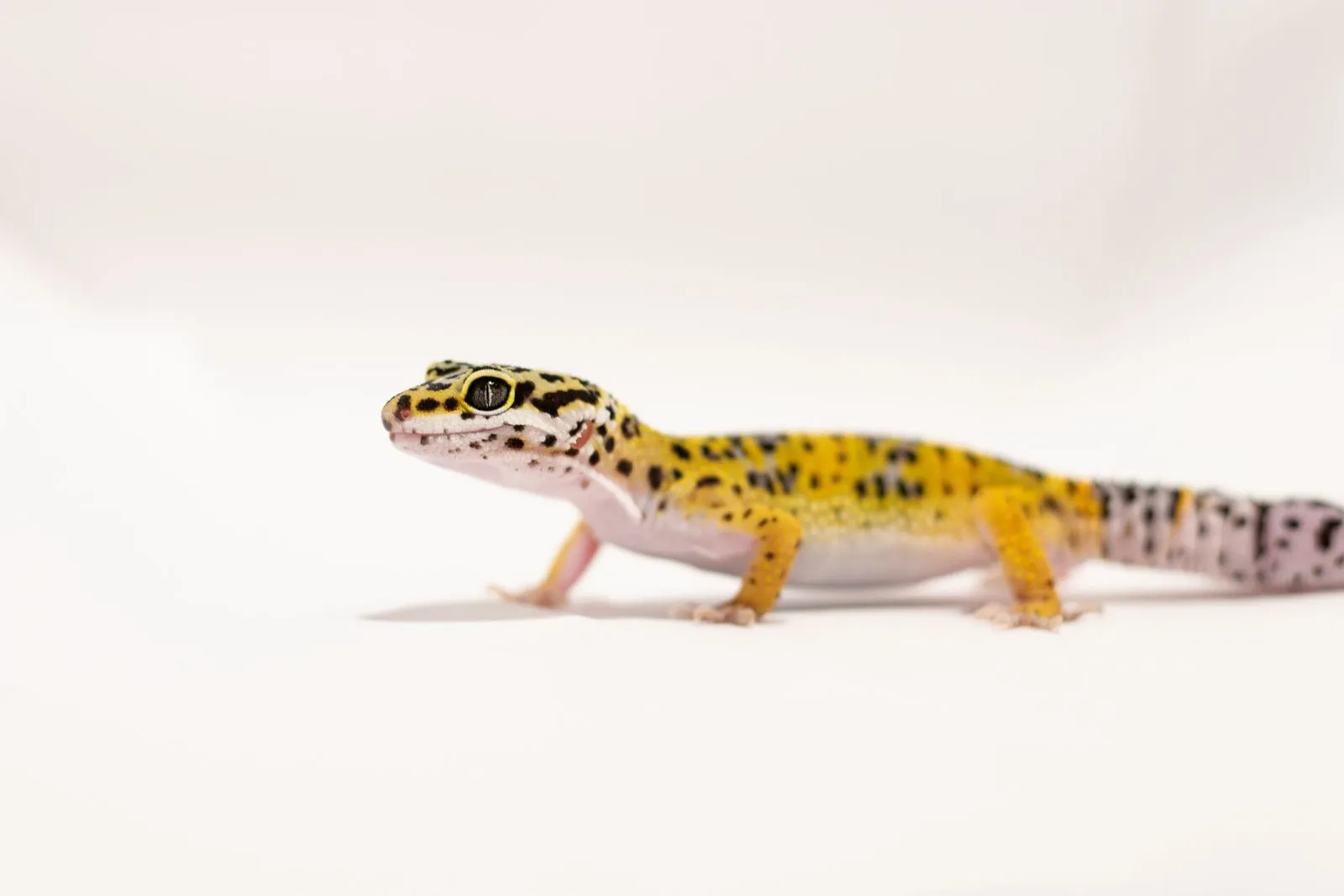
The same question precedes every pairing: what can come of it? The answer follows Mendel’s rules, which stay manageable for a single trait. What matters most is choosing the right inheritance pattern.
The three inheritance patterns
Recessive. Only homozygous animals show the trait visibly. Heterozygous ones carry it on invisibly: The famous “het” animals. Pairing two hets gives, on paper, a quarter visible, half het carriers and a quarter without the gene.
Dominant. One copy of the gene is enough for the trait to show. Homozygous animals then look the same as heterozygous ones: Appearance alone cannot tell them apart.
Intermediate (often called “co-dominant”). One copy shows the trait, two produce a distinct, markedly different “super” form. That is exactly why this pattern is so popular in breeding: you can see on the animal what it carries.
Why only one trait at a time
The calculator deliberately handles one trait per run. For combinations, calculate each separately and multiply the probabilities: 25 % for one and 50 % for the other gives 12.5 % for both together. That assumes the traits are inherited independently: With closely linked genes the arithmetic no longer holds.
Sex-linked traits are not covered. They follow a pattern of their own, because the gene sits on a sex chromosome.
Probability is no guarantee
The most important sentence last: percentages hold across many offspring, not within one clutch. 25 % does not mean that exactly two of eight hatchlings show the trait. A clutch can deviate considerably. Both are compatible with the same arithmetic.
Anyone who wants certainty cannot avoid test breedings or a genetic test. The calculator does not replace planning; it merely takes the mental arithmetic out of it.