
Species
Commonly kept species
Where a species comes from, what climate it needs and what the Swiss animal welfare ordinance says about it. For reptiles and amphibians, husbandry, origin and legal status come from the app's data: The same texts as in the profile. For spiders, scorpions and insects the ordinance does not apply: it covers only vertebrates, cephalopods and decapods; that is stated there too. Where something is missing, that is stated as well.
- Species
- 93
- with care profile
- 92
- permit required
- 12
- prohibited in Switzerland
- 1
Snakes
A full care profile is available for every snake.
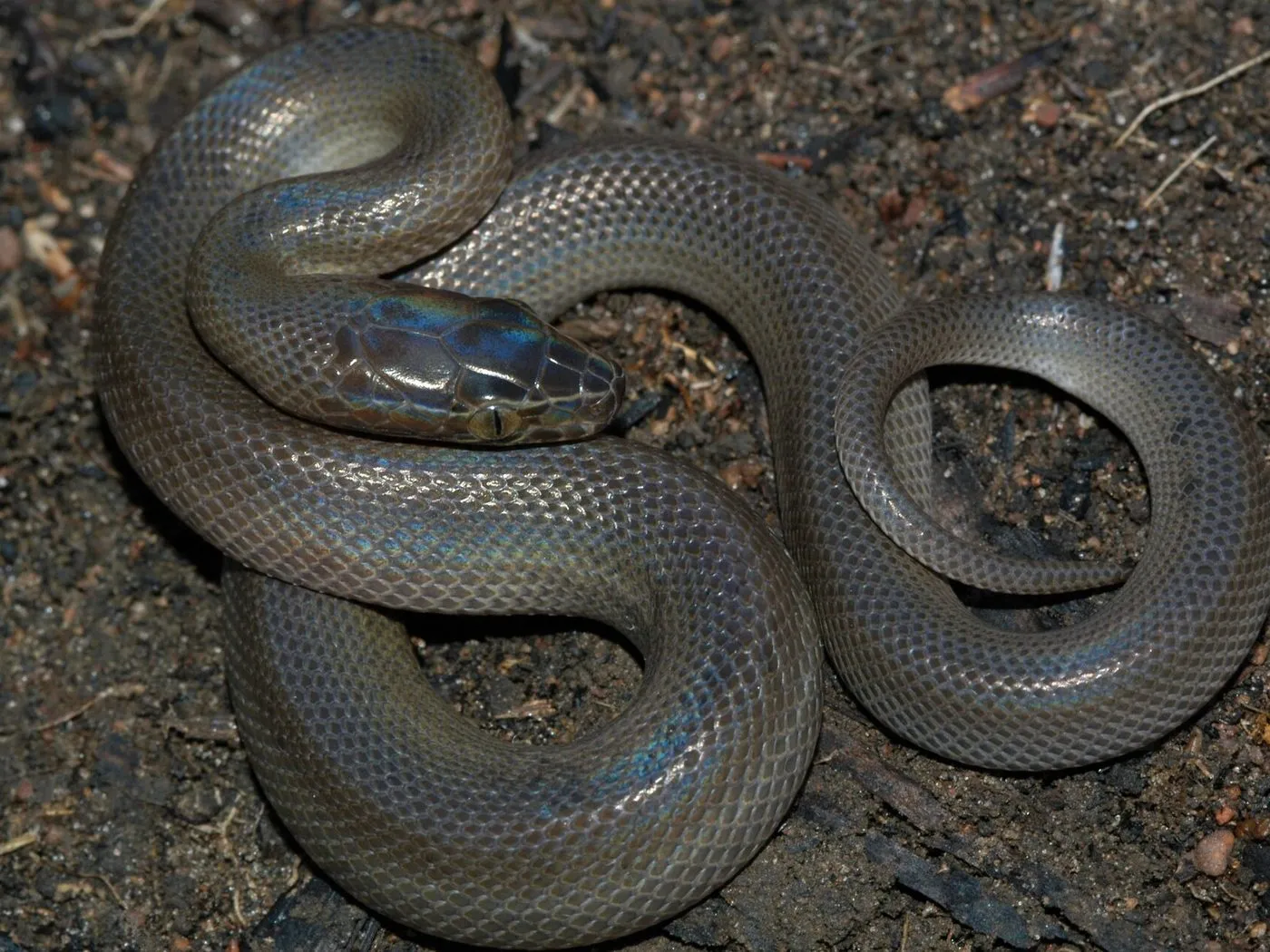 African house snake Boaedon fuliginosus Quick, nocturnal and decidedly prone to escaping. Anyone keeping one checks every seal and every gap twice. Beginner Sub-Saharan Africa No permit
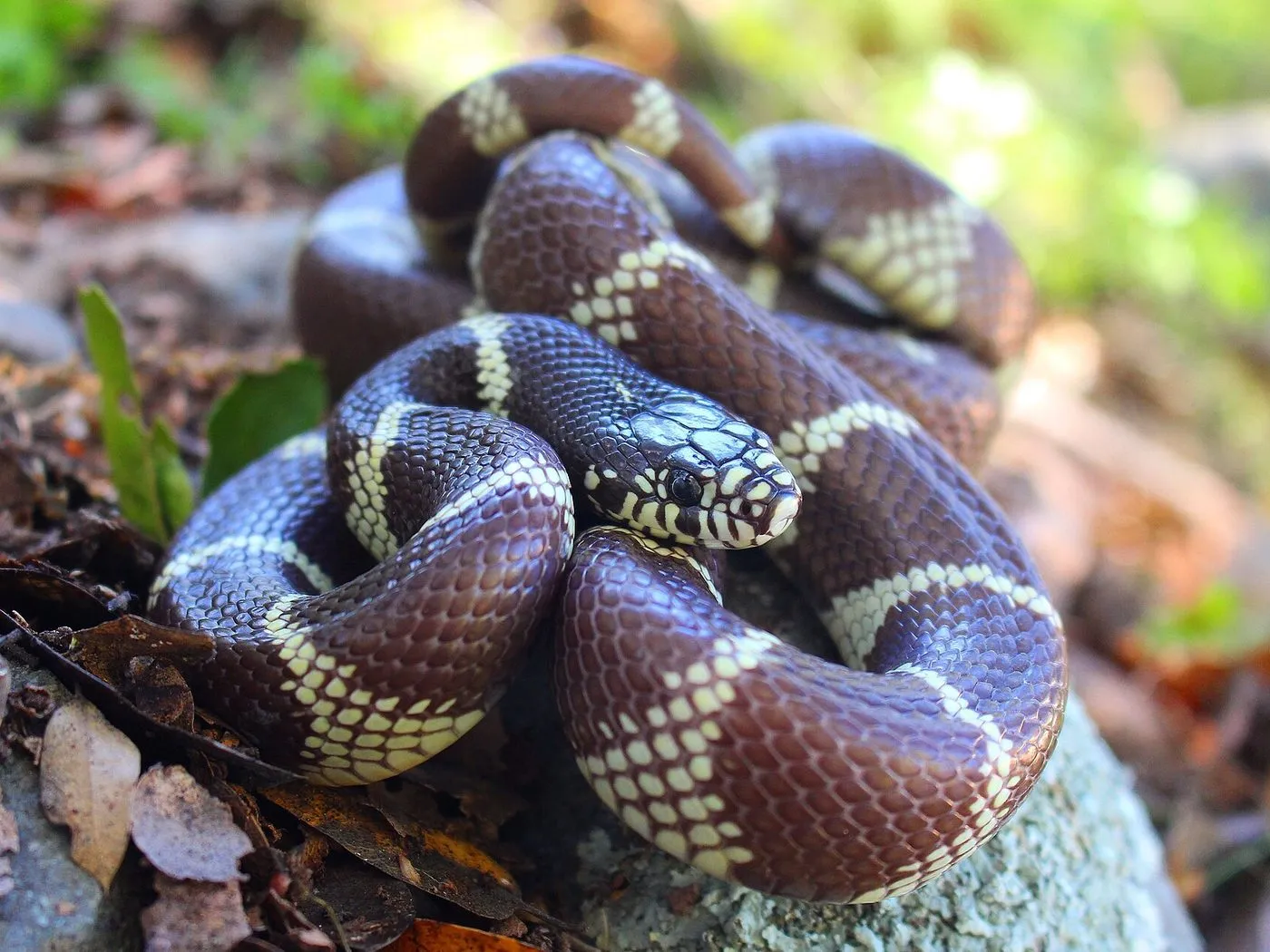 California kingsnake Lampropeltis californiae Alert, active and with a strong feeding response. It will eat other snakes if given the chance. Housing it alone is not a recommendation but a requirement. Beginner Western North America No permit
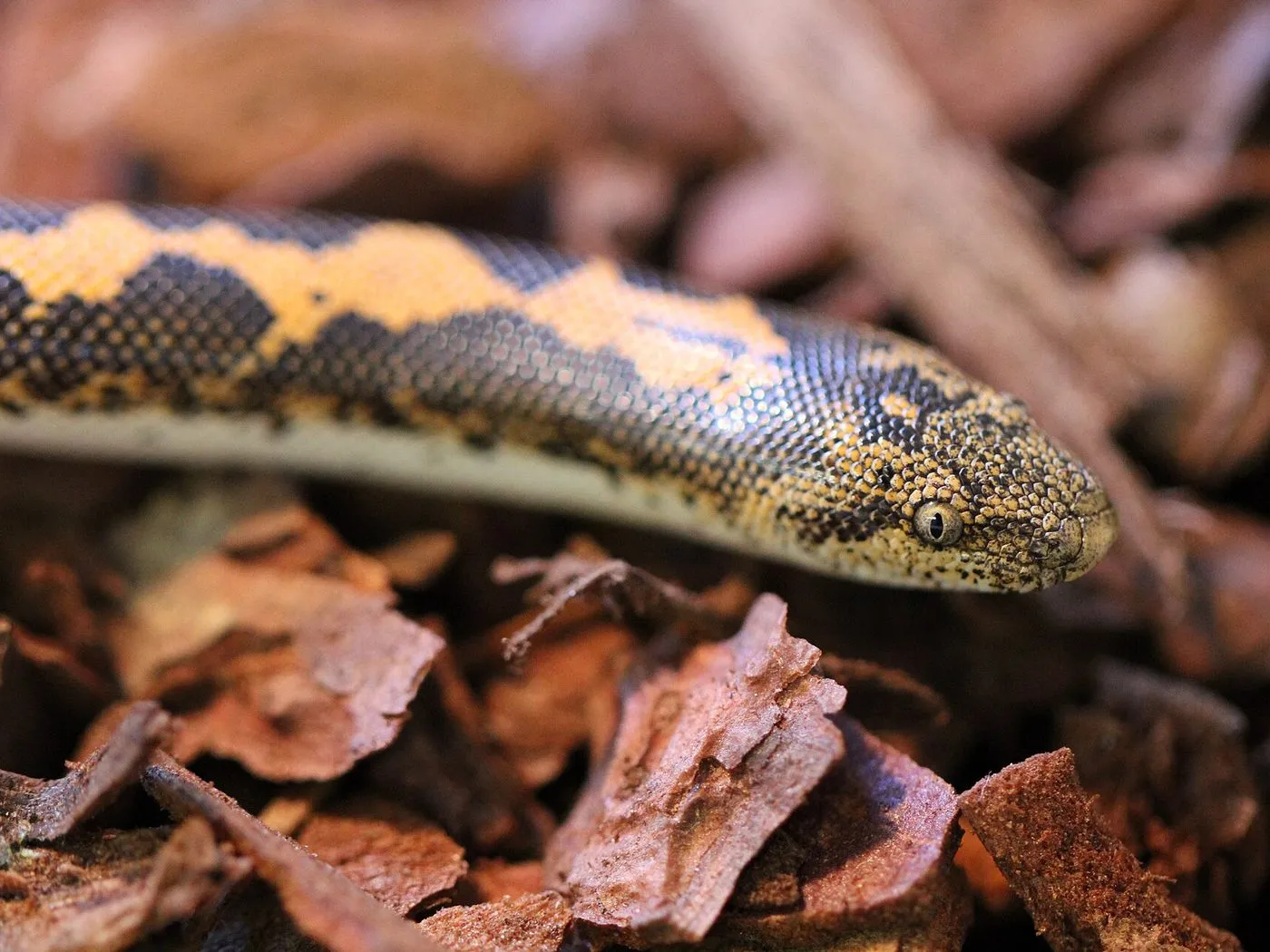 Kenyan sand boa Eryx colubrinus It spends most of the day buried. A deep, diggable substrate matters more than any visible decor. Beginner Northeast and East Africa Species protection applies
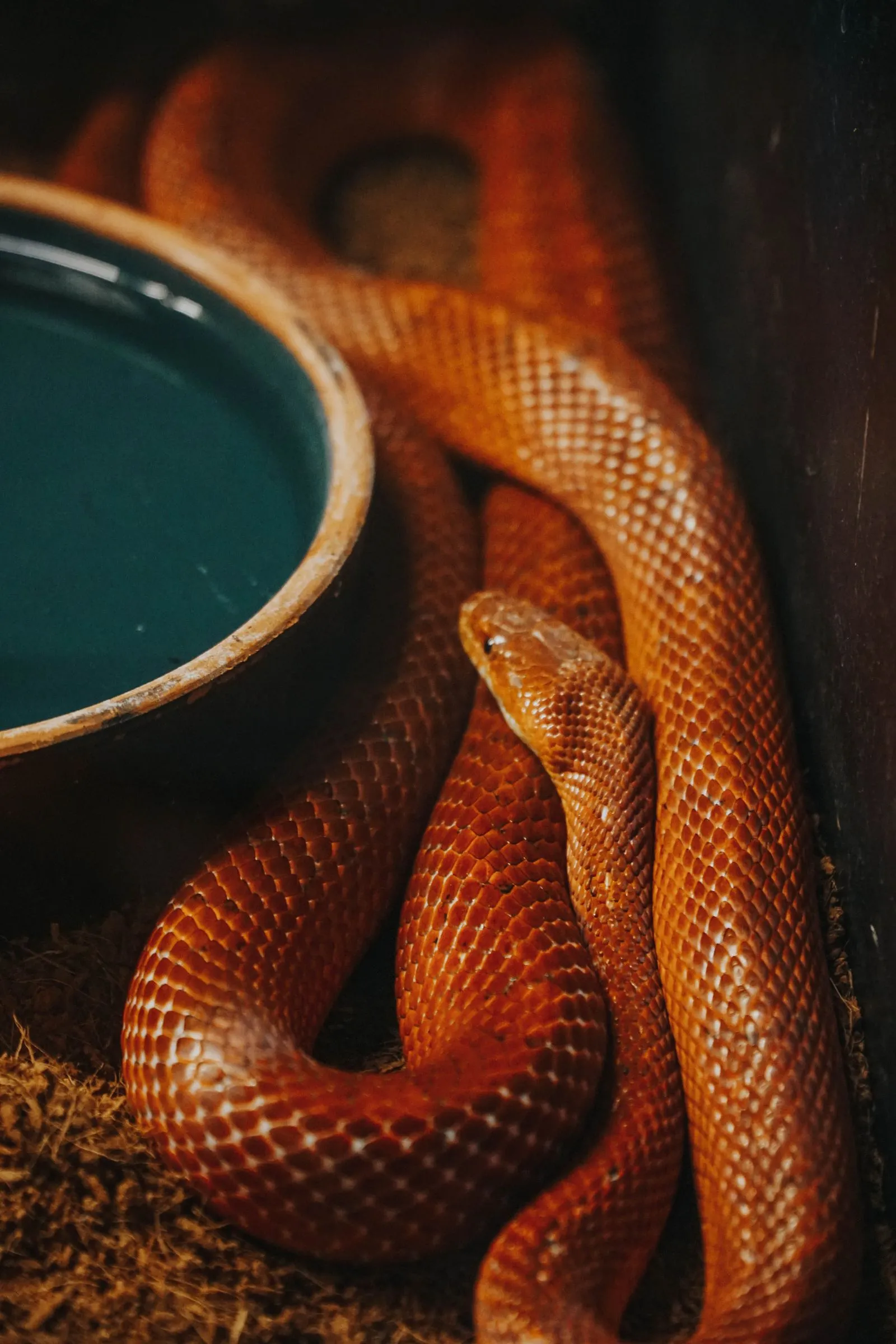 Corn snake Pantherophis guttatus The corn snake has a reputation as a beginner’s snake. Deservedly so: it is hardy, easy to observe and makes no unusual demands. That does not make it undemanding. Beginner North America No permit
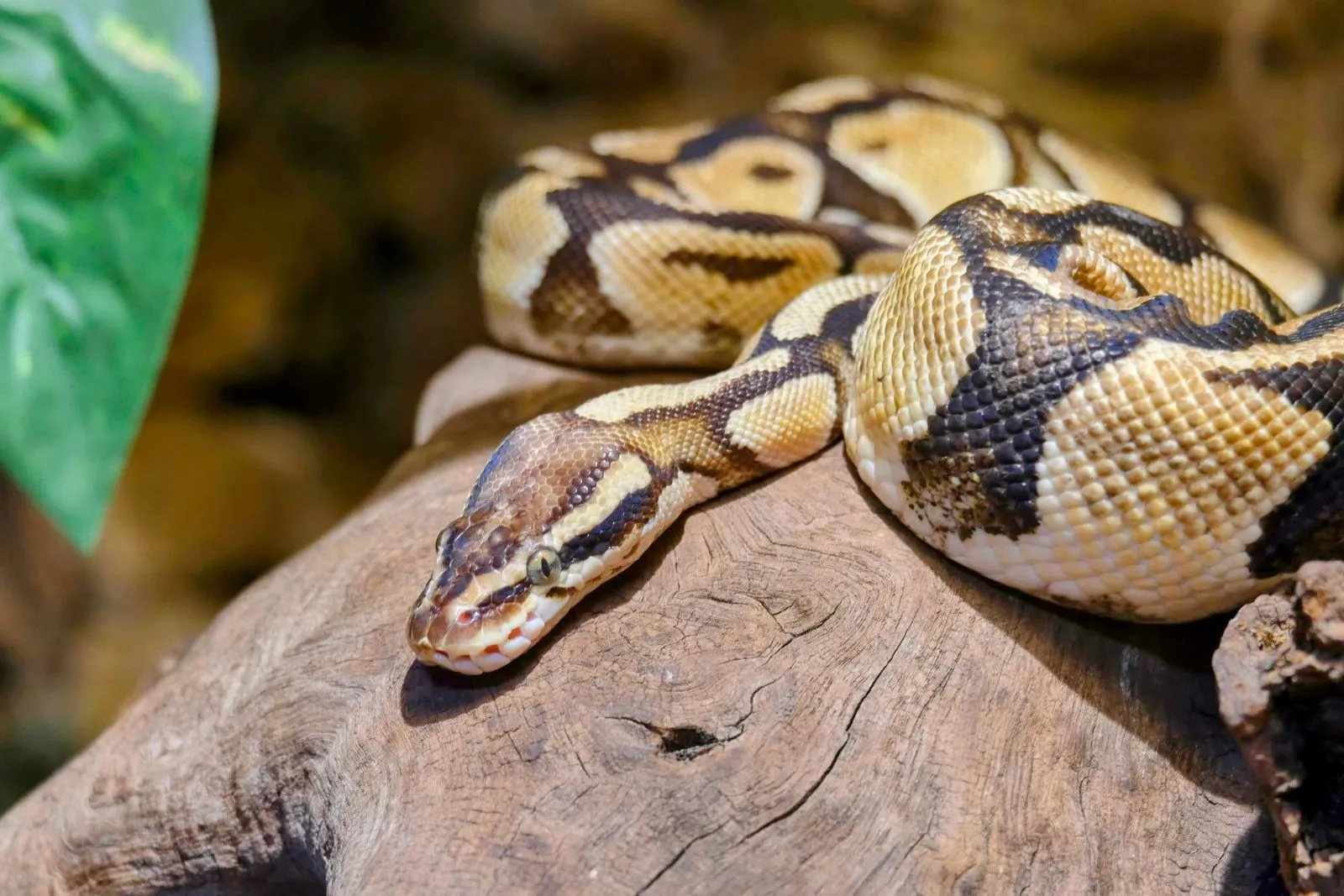 Ball python Python regius Calm, compact and available in countless colour morphs. The ball python is unforgiving about climate and hiding places. Refusing food is normal for it, but never something to leave unwatched. Beginner West and Central Africa Species protection applies
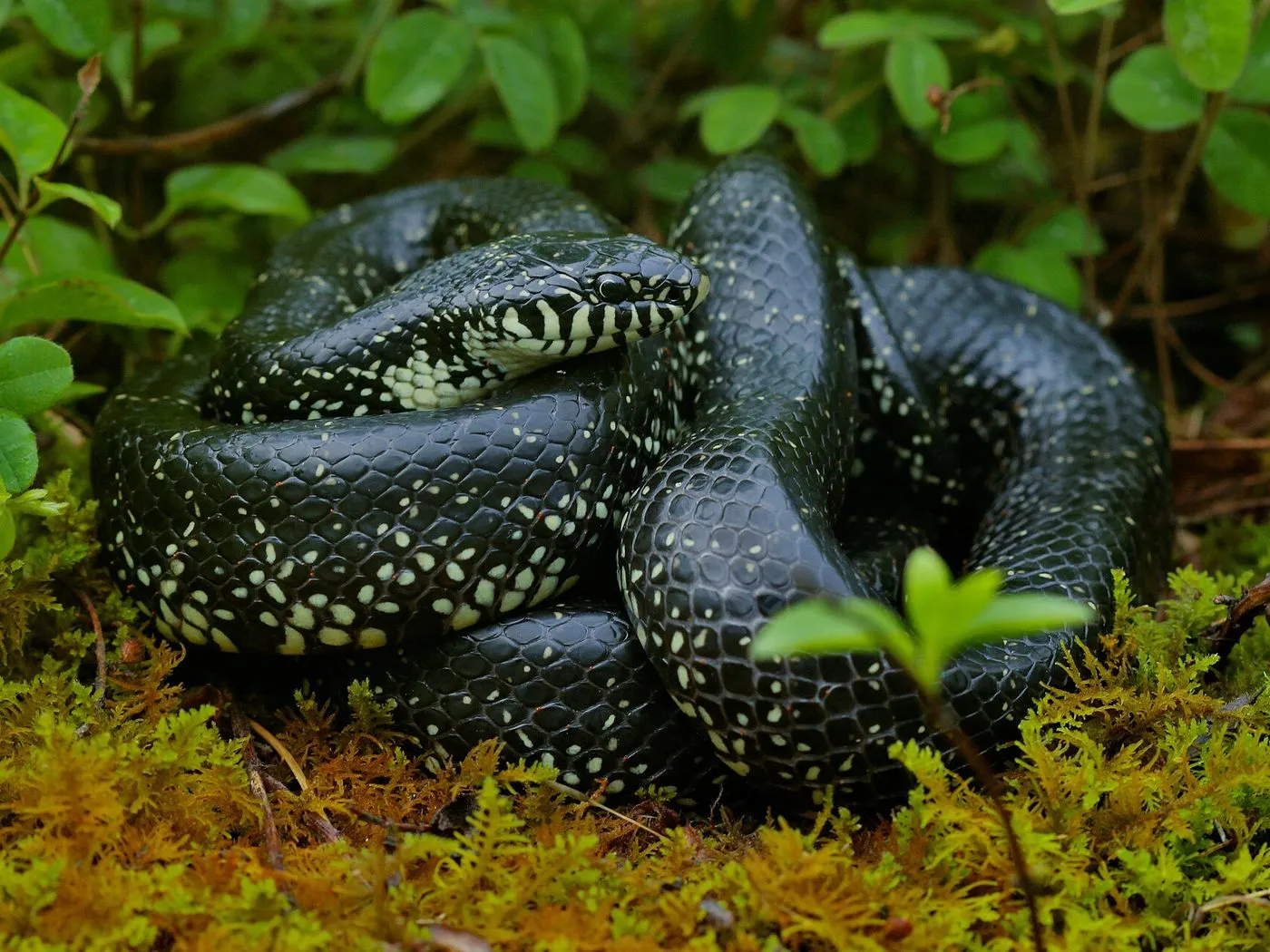 Black kingsnake Lampropeltis nigra Uniformly black, active and with a hearty appetite. Close to the California kingsnake in husbandry and requirements, including its tendency to eat its own kind. Beginner Eastern United States No permit
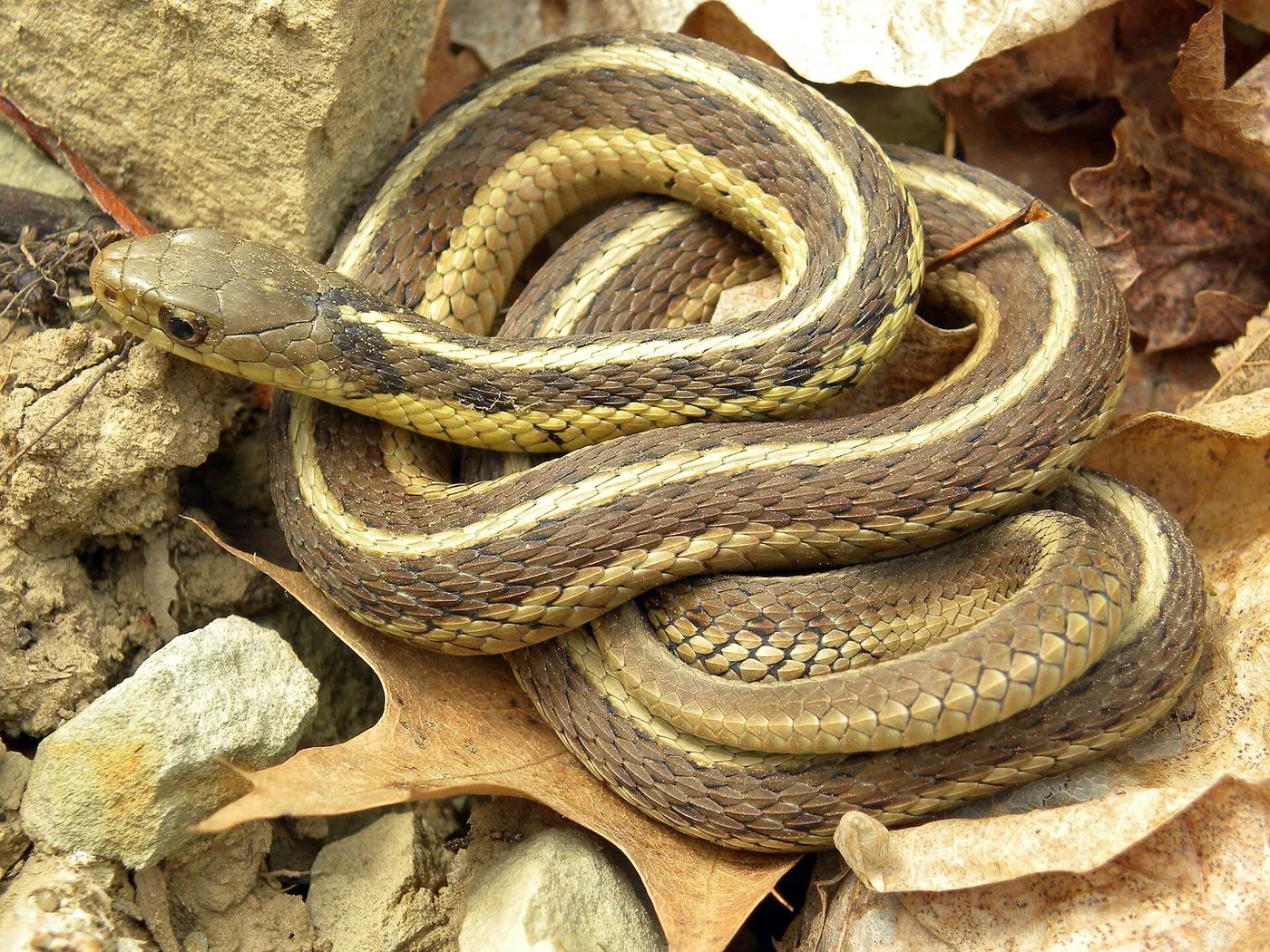 Common garter snake Thamnophis sirtalis Diurnal, lively and therefore easy to observe. Diet is the critical point: an exclusively fish-based diet leads to deficiencies. Beginner North America No permit
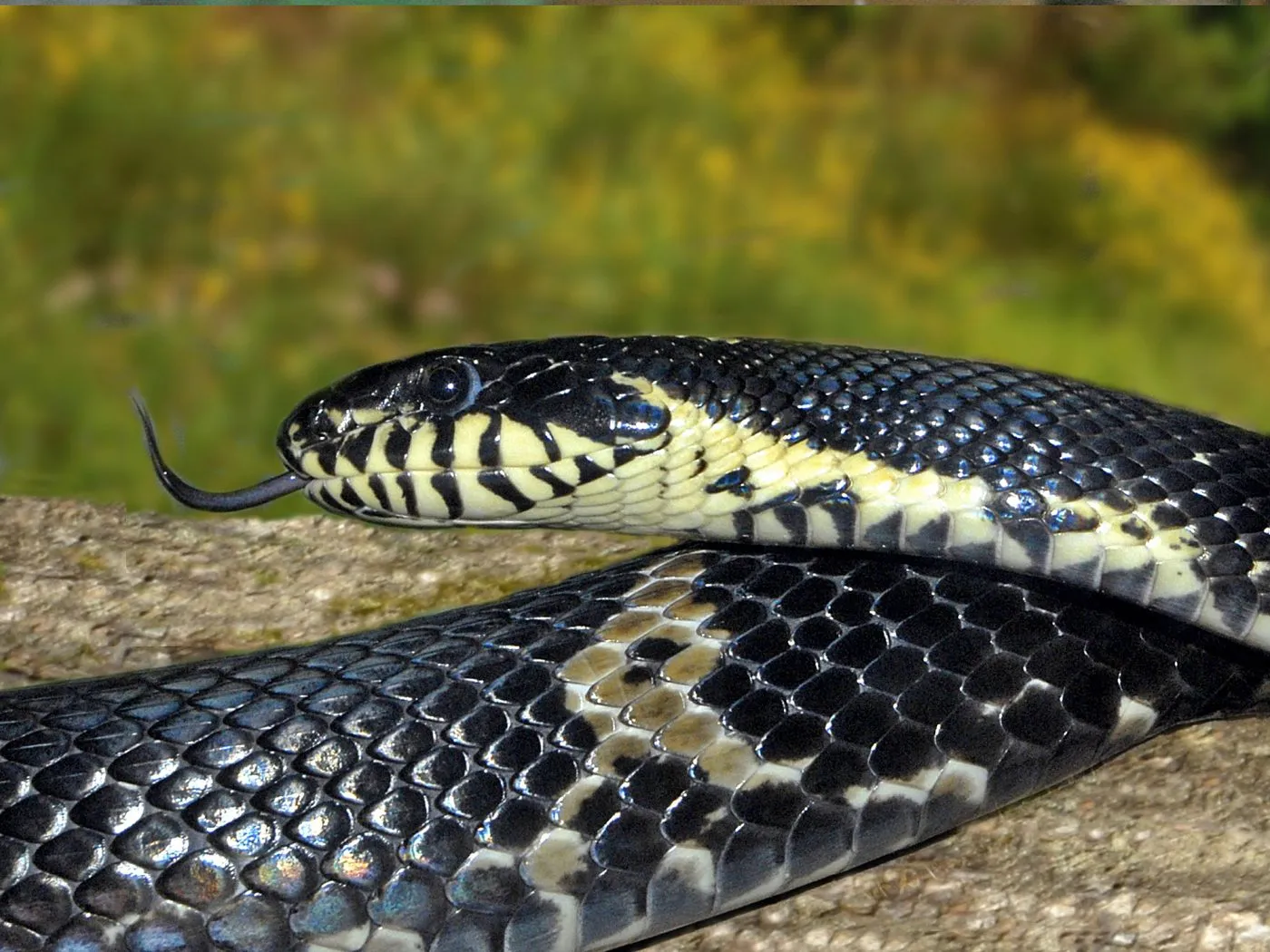 Amur rat snake Elaphe schrenckii A large, hardy climbing snake from northeast Asia. It copes well with cooler phases: Constant warmth, by contrast, does not suit it. Intermediate Northeast Asia No permit
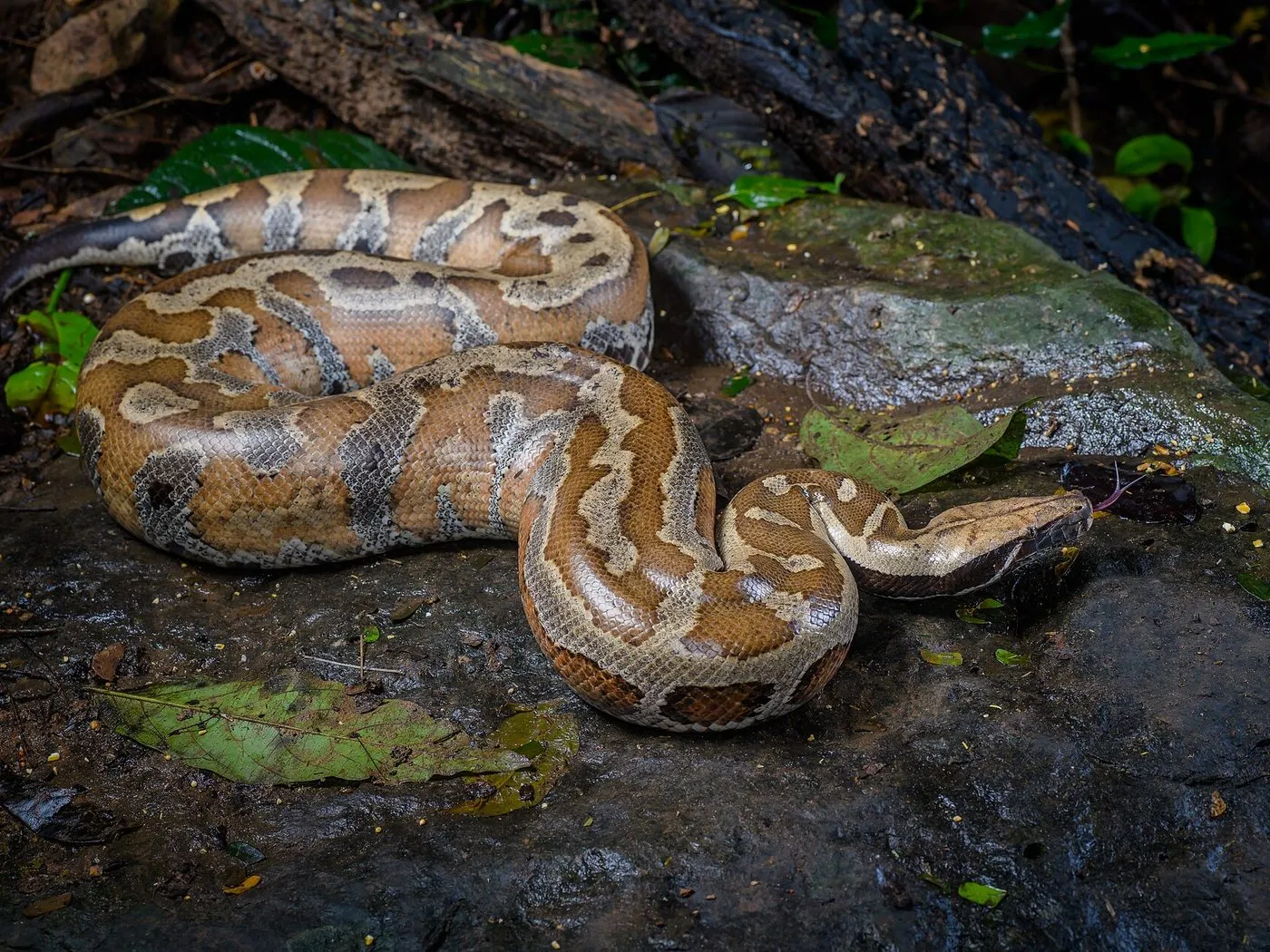 Blood python Python brongersmai Heavy, broad and ground-dwelling. It needs floor area rather than height and reacts badly to heat and stagnant air. Intermediate Southeast Asia Species protection applies
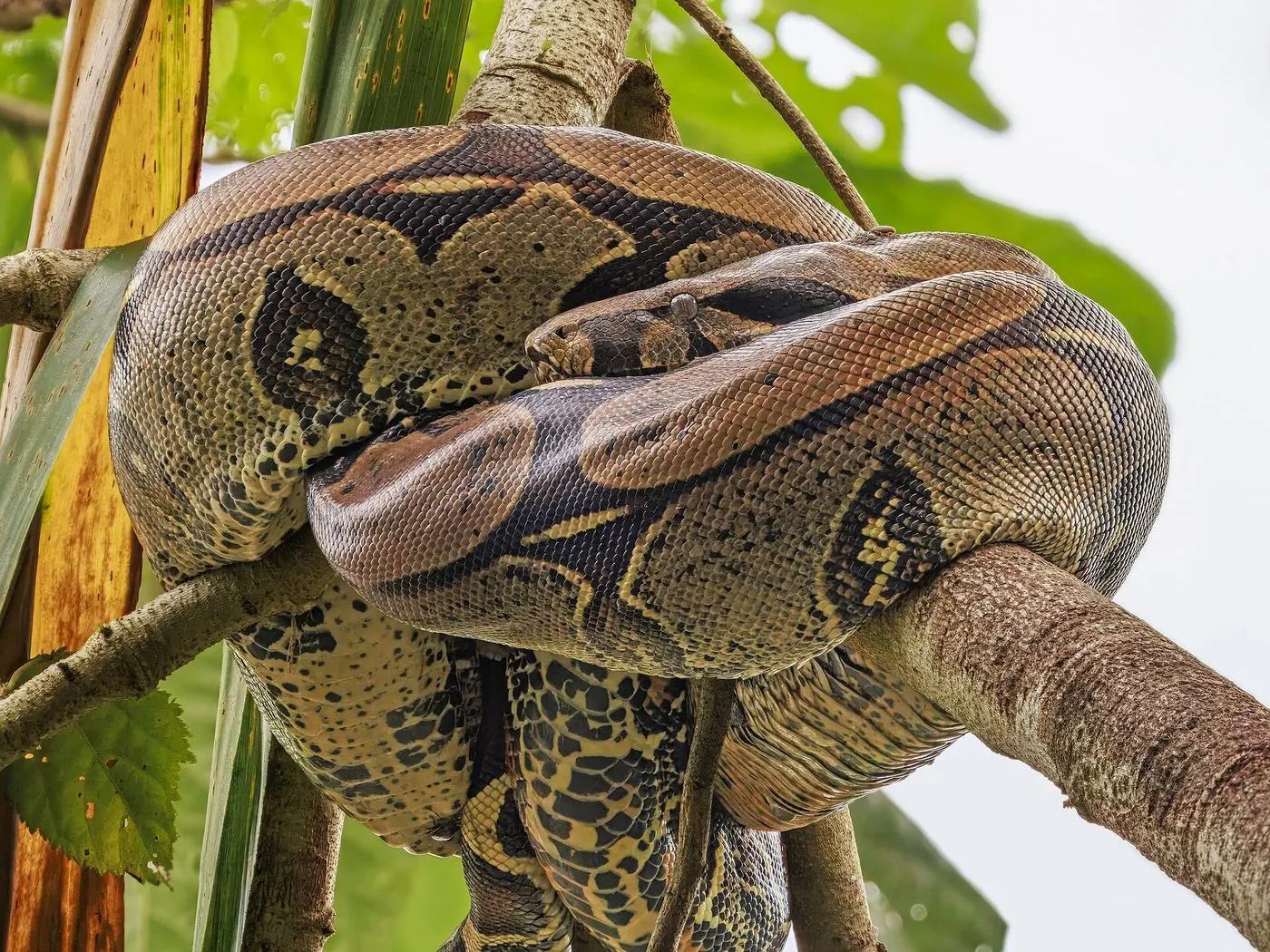 Boa constrictor A powerful constrictor that grows considerably larger than most people expect. Anyone keeping one plans the enclosure for the adult animal, not the juvenile. Intermediate Central and South America Species protection applies
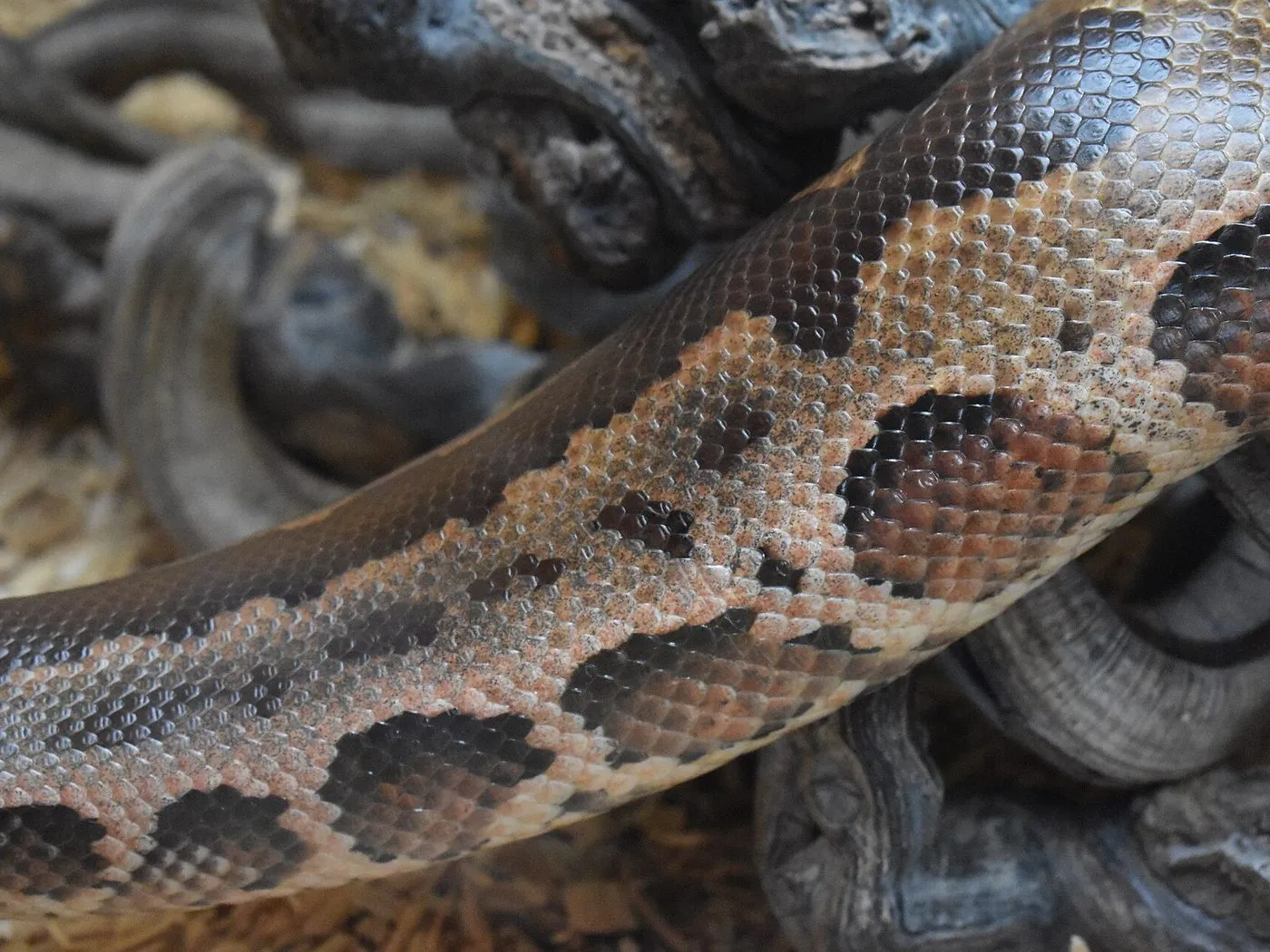 Sumatran short-tailed python Python curtus The smaller relative of the blood python: stocky, little inclined to climb and dependent on evenly warm, well-ventilated conditions. Intermediate Sumatra Species protection applies
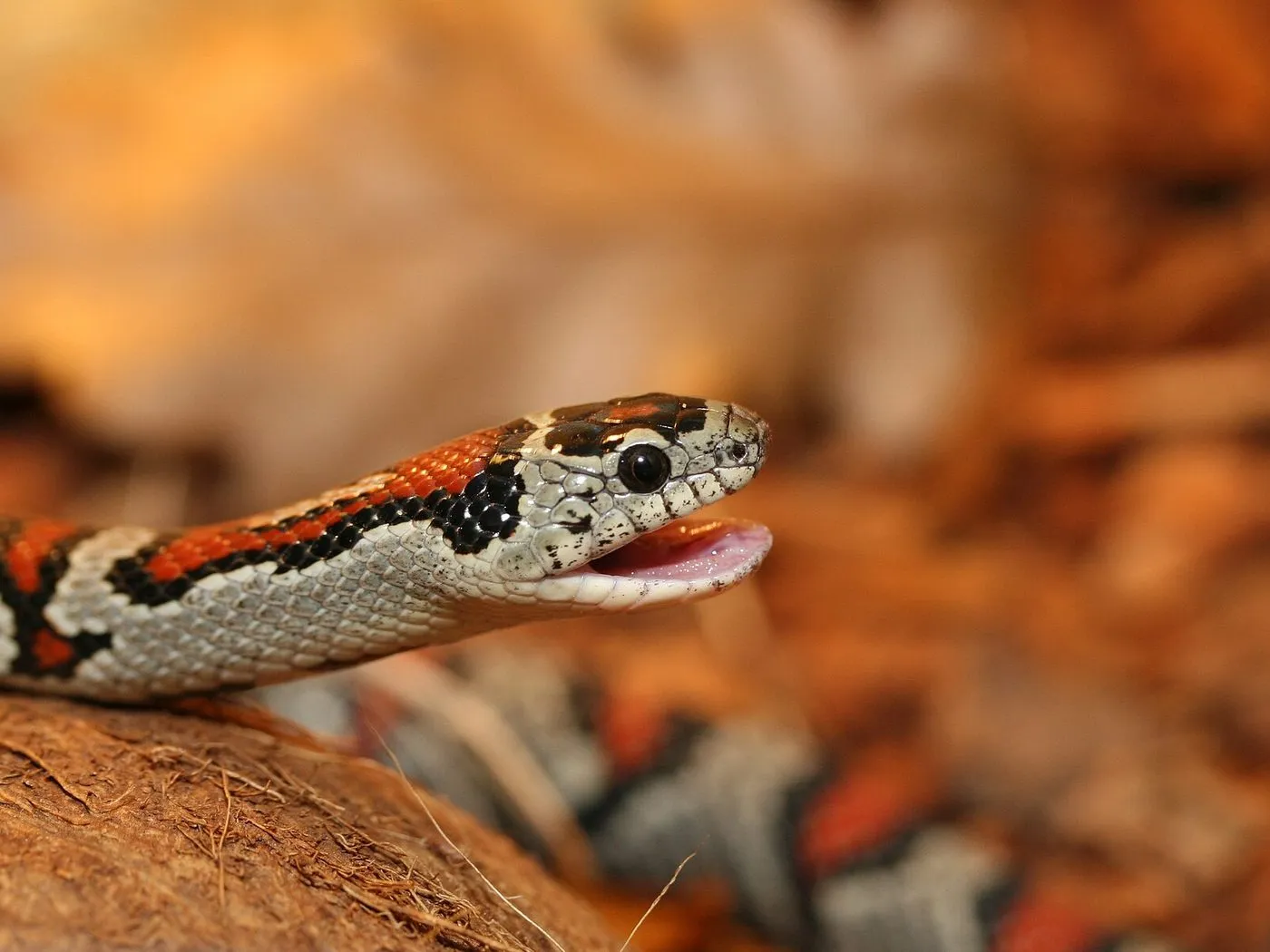 Mexican kingsnake Lampropeltis mexicana A secretive kingsnake from the Mexican highlands. It needs structure and cooler nights than its better-known relatives. Intermediate Northern Mexico No permit
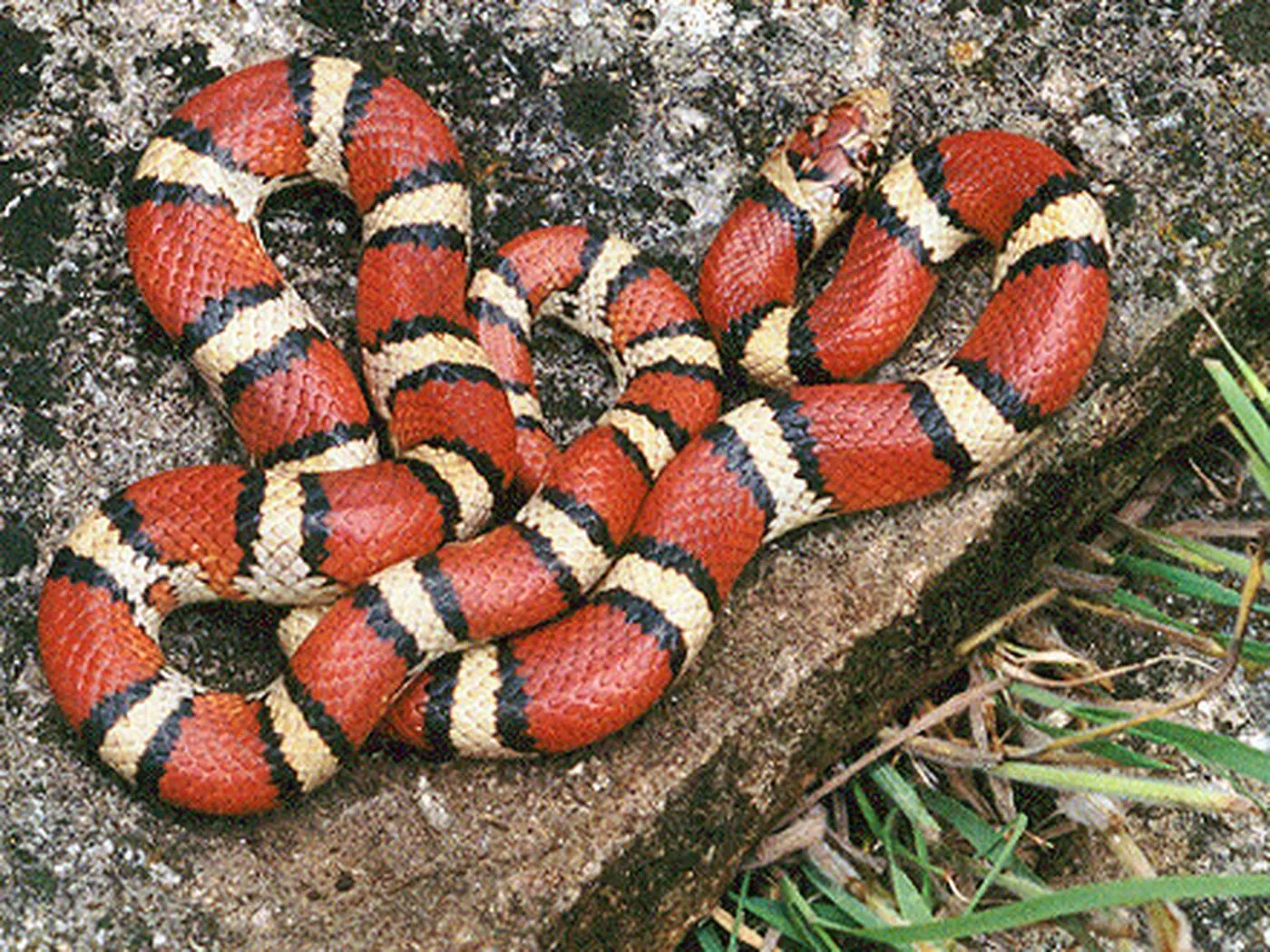 Milk snake Lampropeltis triangulum The name covers a whole group of subspecies with noticeably different requirements. Before keeping one, you need to know which. Intermediate North America No permit
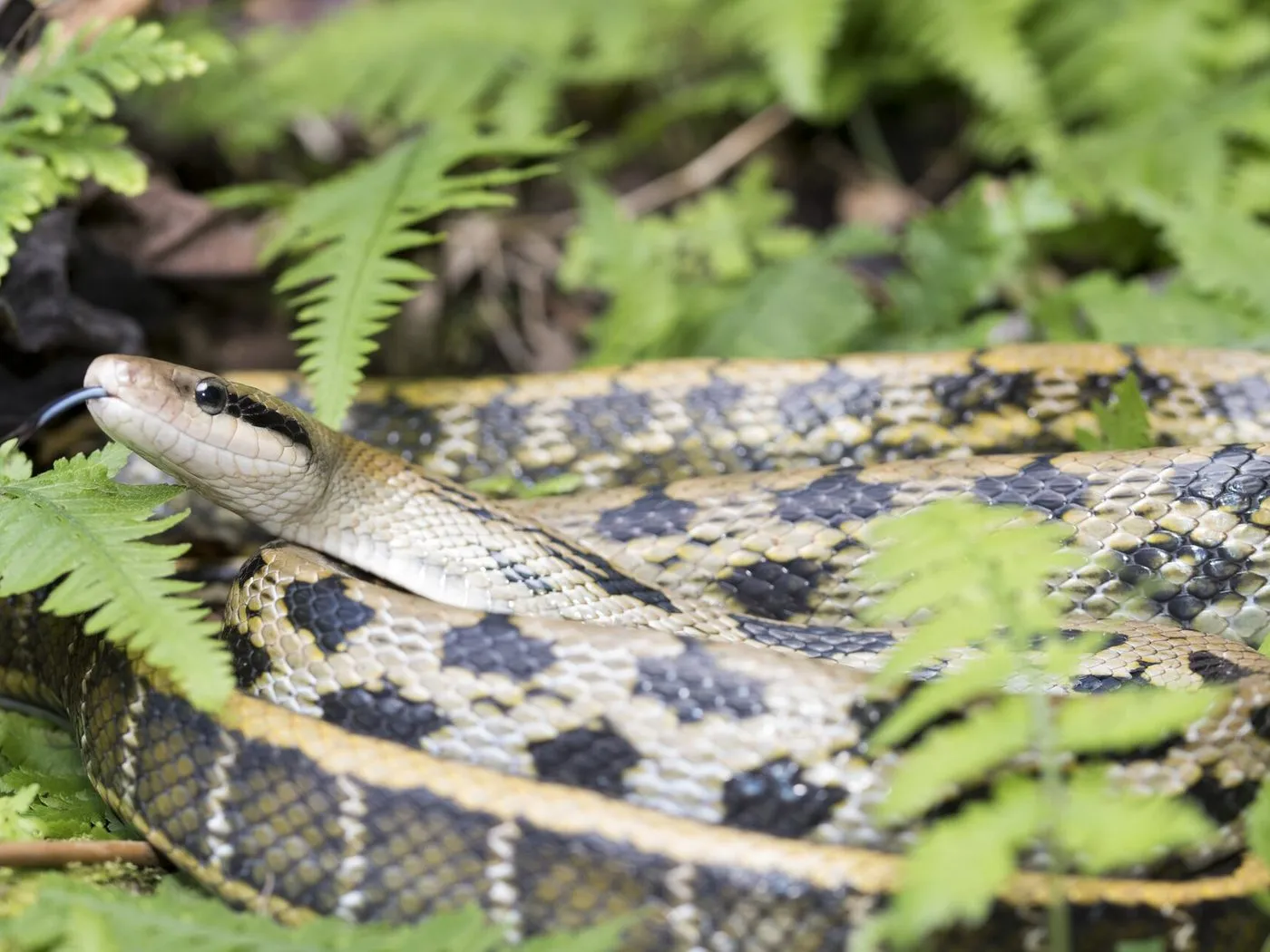 Beauty rat snake Elaphe taeniura Very active, very fast and a keen climber. It needs a tall, spacious enclosure and knowledge of the subspecies to get the climate right. Intermediate South and East Asia No permit
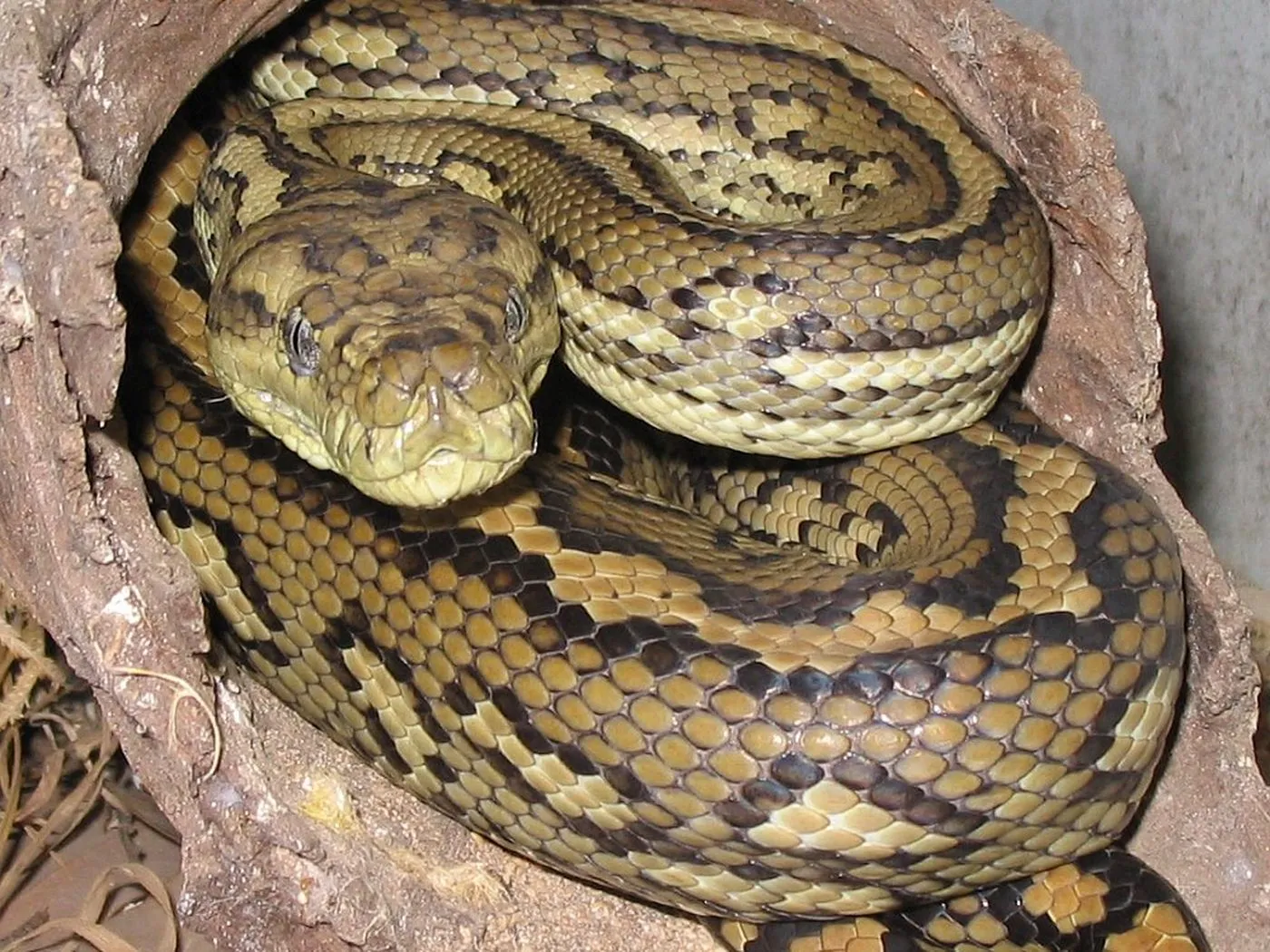 Carpet python Morelia spilota Semi-arboreal, nocturnal and very variable in size depending on the subspecies. Climbing height and sturdy branches are not decoration here but basic equipment. Intermediate Australia and New Guinea Species protection applies
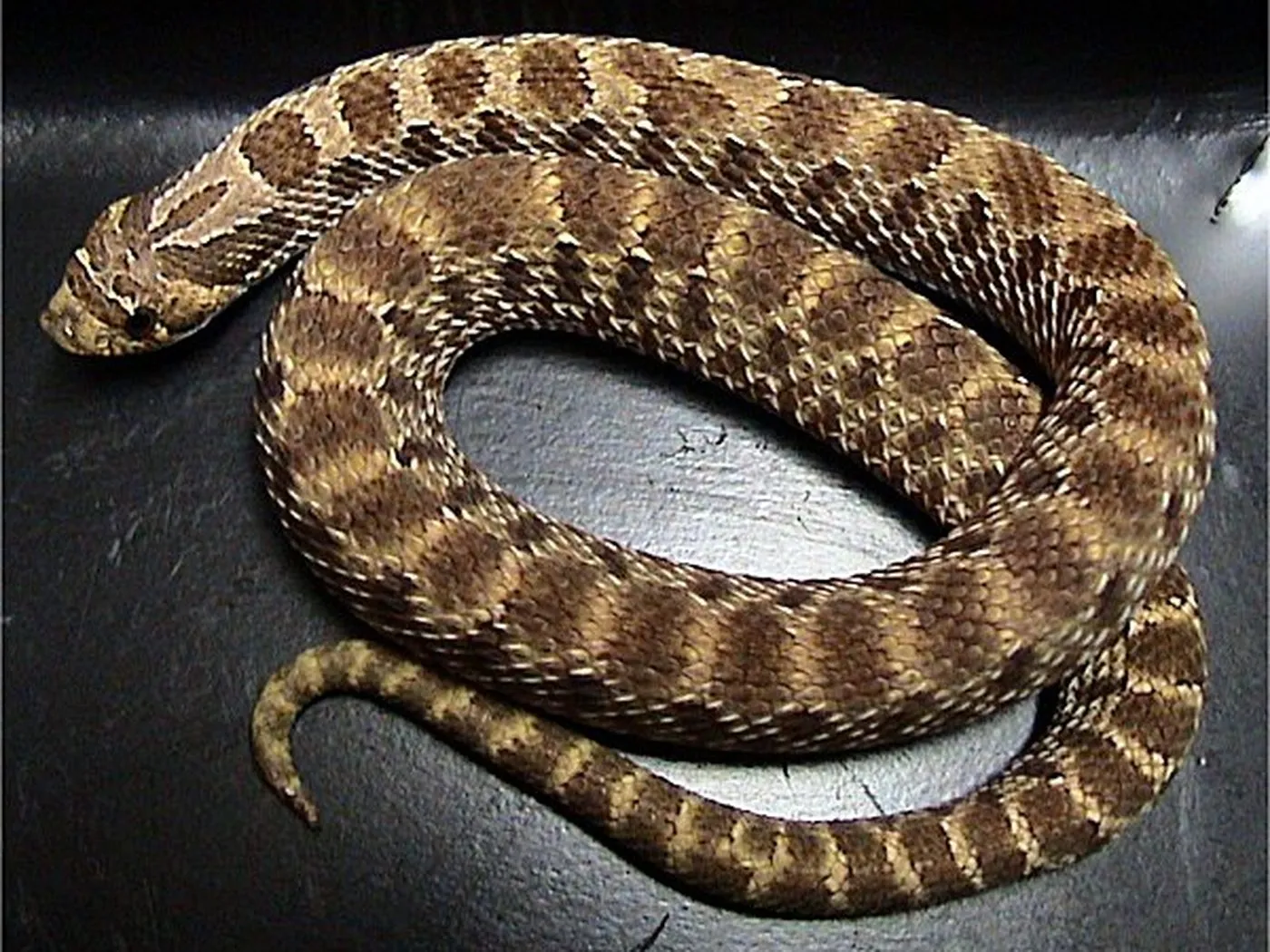 Western hognose snake Heterodon nasicus A small terrestrial snake that would rather burrow than climb and puts on an impressive performance when disturbed. Its enlarged rear teeth call for care when handling. Intermediate North America No permit
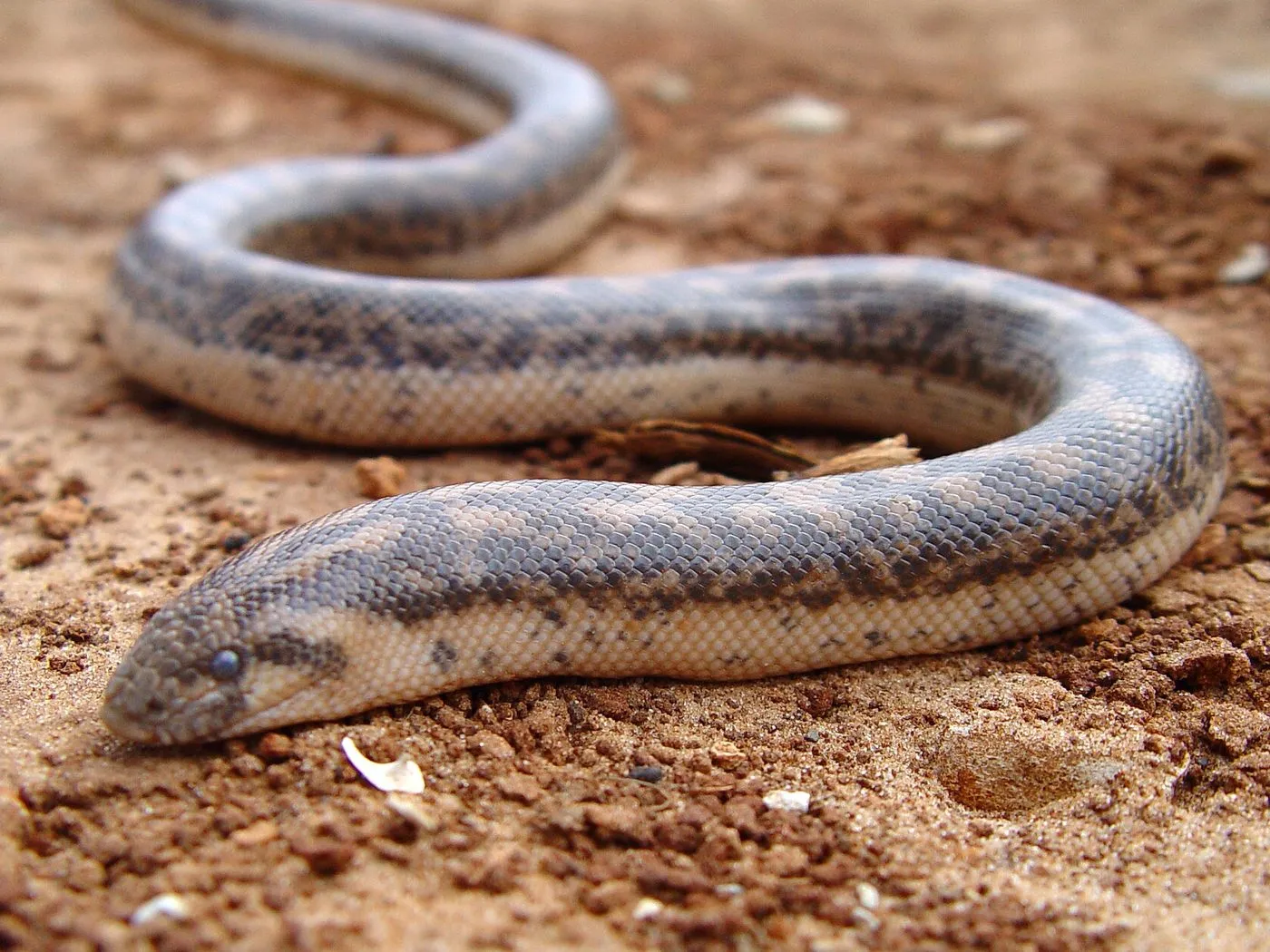 Javelin sand boa Eryx jaculus Small, burrowing and inconspicuous. With this species, origin and subspecies determine how warm and how dry it is kept. Intermediate Southeastern Europe, North Africa and the Near East Species protection applies
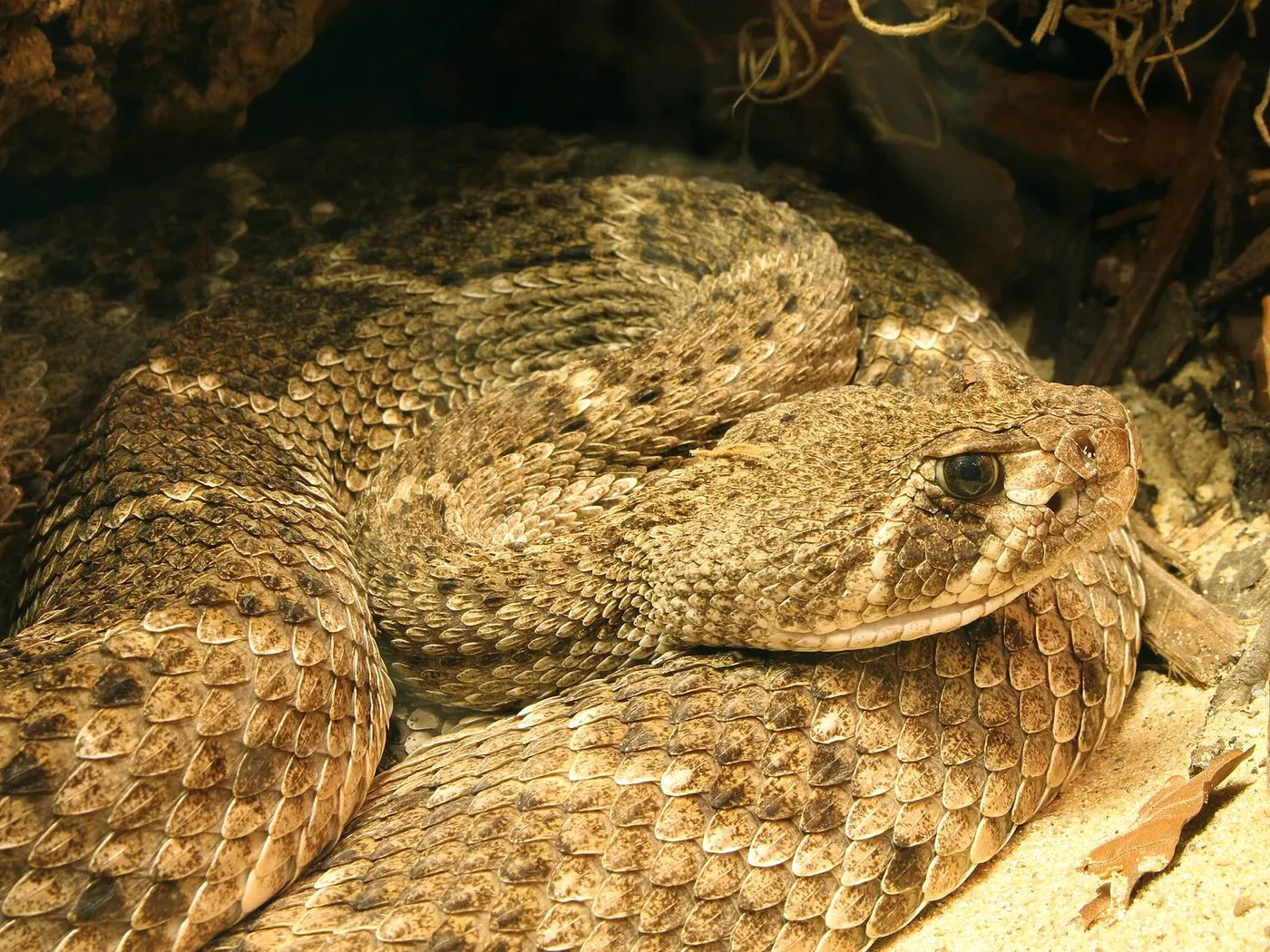 Western diamondback rattlesnake Crotalus atrox A species whose venom is life-threatening. To be kept only with a permit, proven expertise, a secured venomous-snake enclosure and a working emergency plan. Advanced Southwestern United States and northern Mexico Permit required
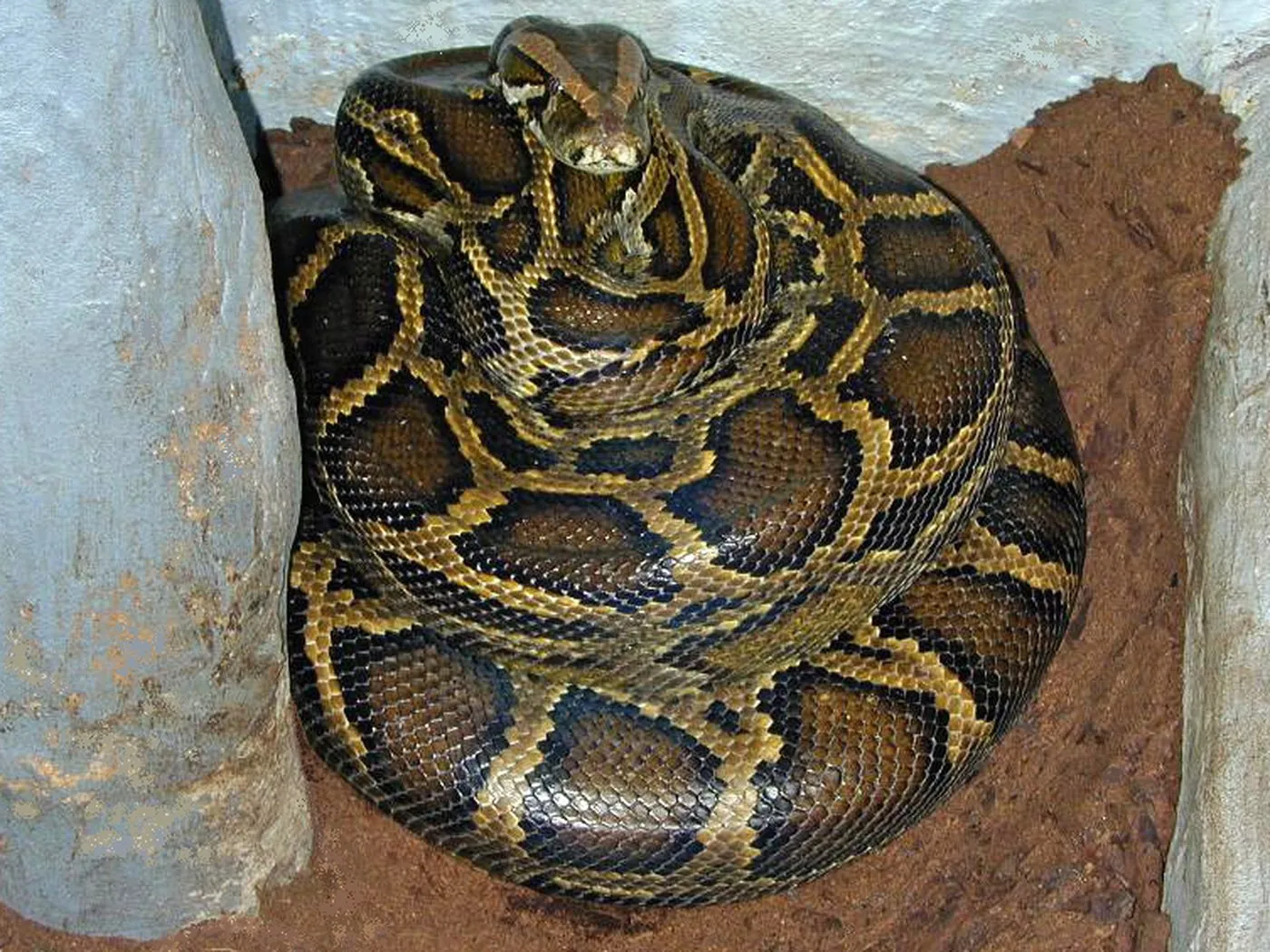 Burmese python Python bivittatus Appears calm yet is extraordinarily powerful. A giant snake that needs space on the scale of a room and requires a permit in Switzerland. Advanced South and Southeast Asia Permit required
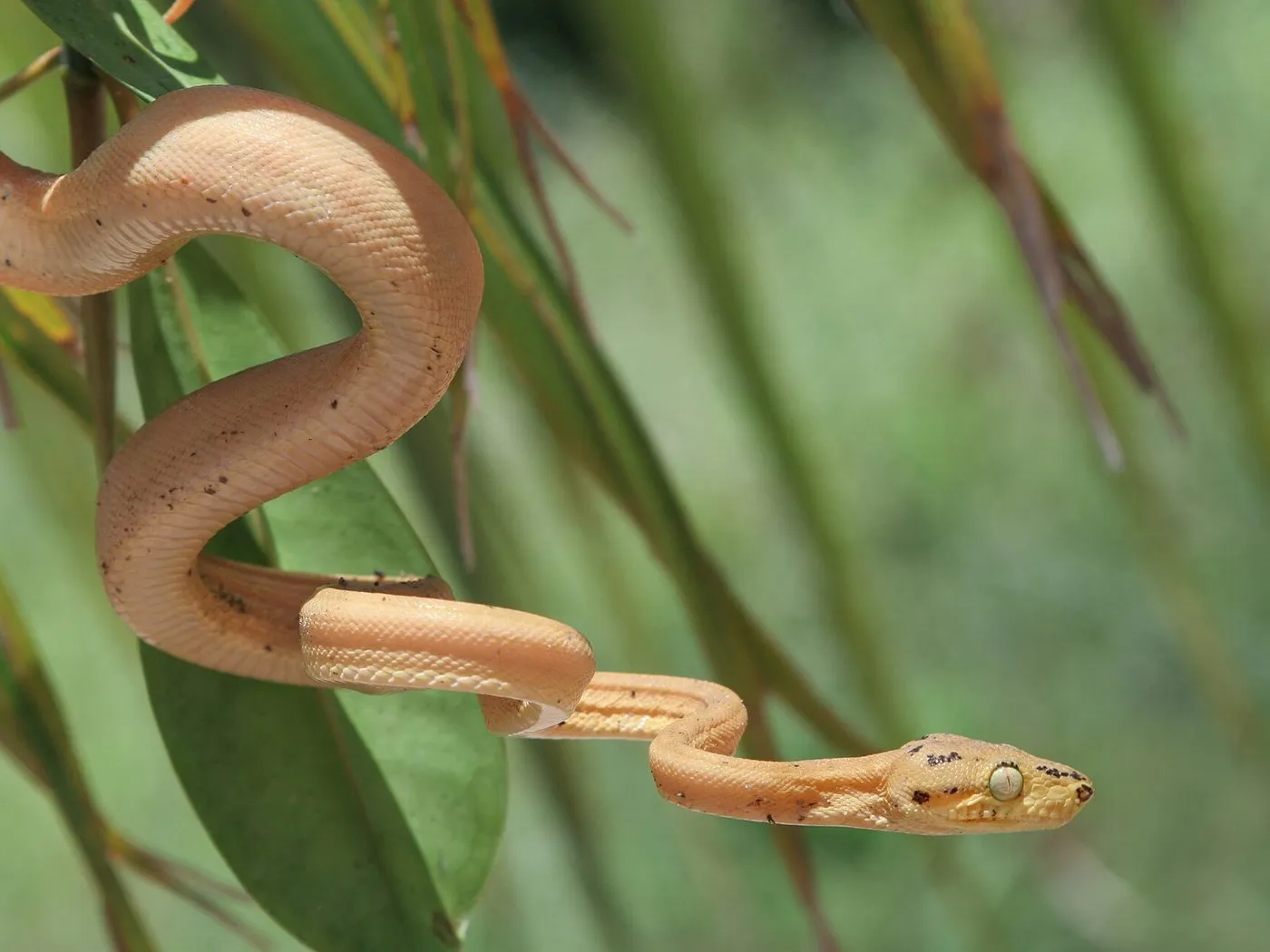 Amazon tree boa Corallus hortulanus Nocturnal, lightning fast and often decidedly defensive. One to watch rather than to handle and it needs height. Advanced Tropical South America Species protection applies
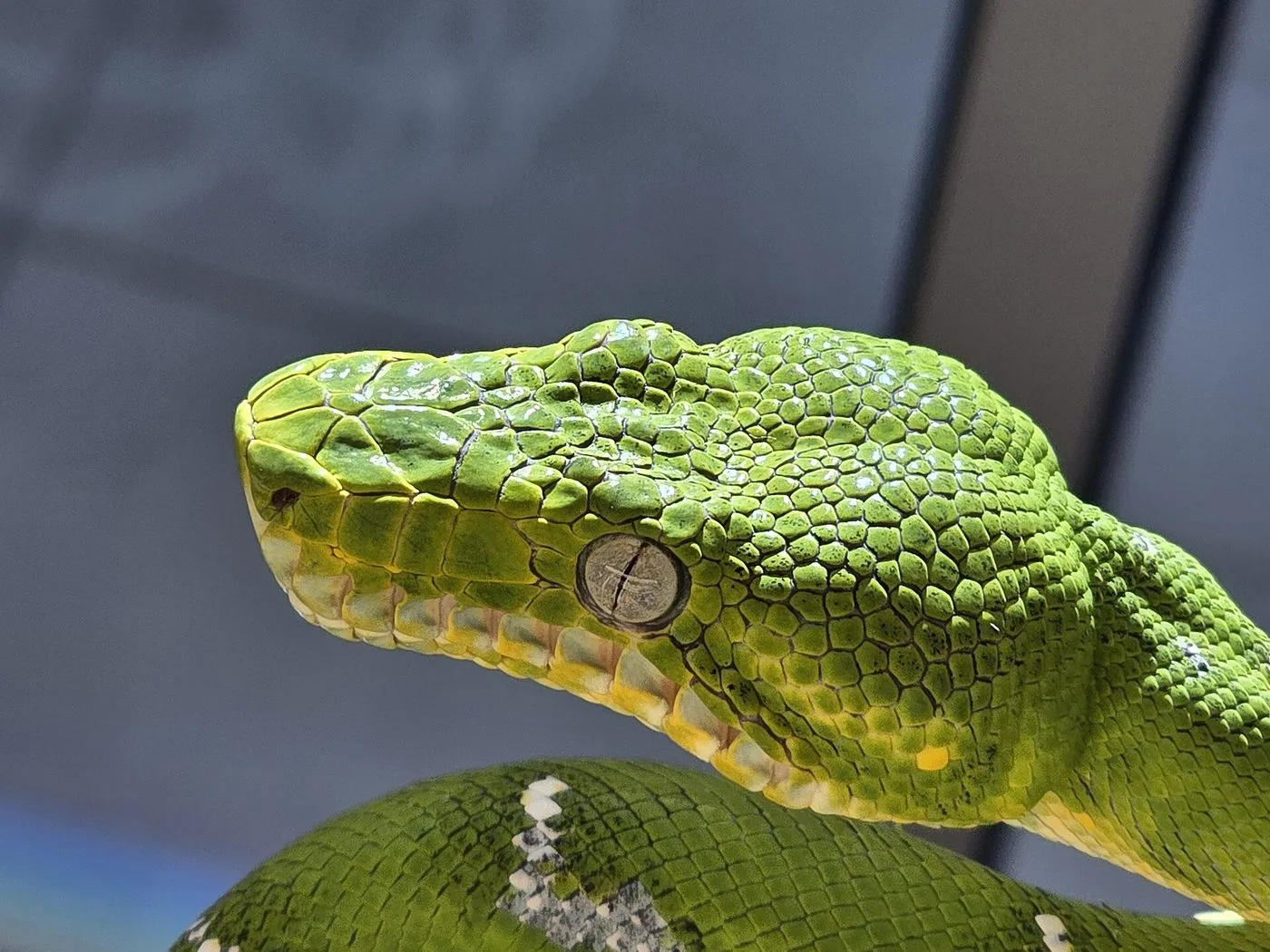 Emerald tree boa Corallus caninus An animal for experienced keepers: highly specialised, stress-sensitive and dependent on precise climate with good air movement. Advanced Northeastern South America Species protection applies
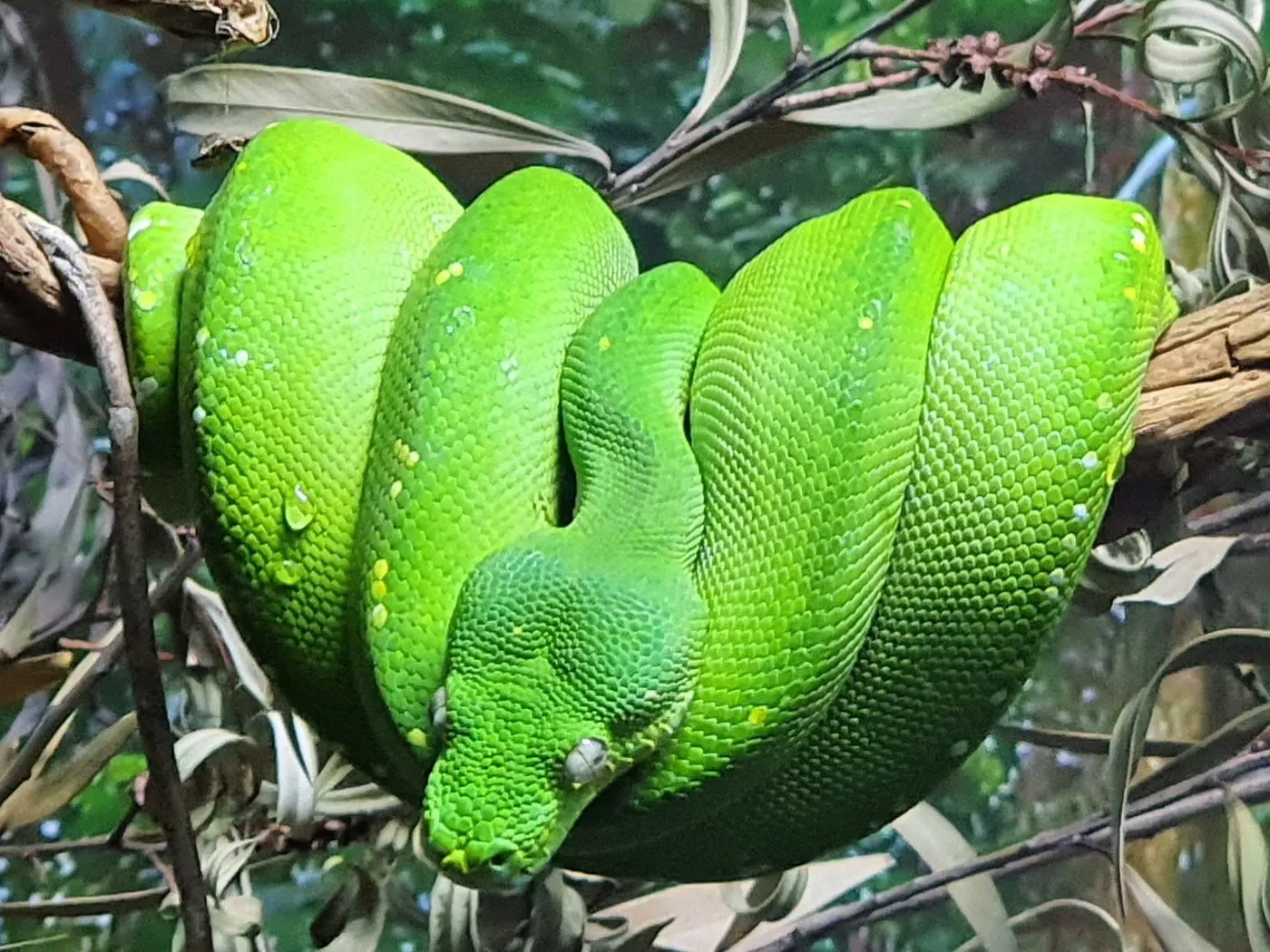 Green tree python Morelia viridis Striking, but not a starter animal: it sits on its branch almost permanently, is sensitive to disturbance and does not forgive poor ventilation. Advanced New Guinea and northern Australia Species protection applies
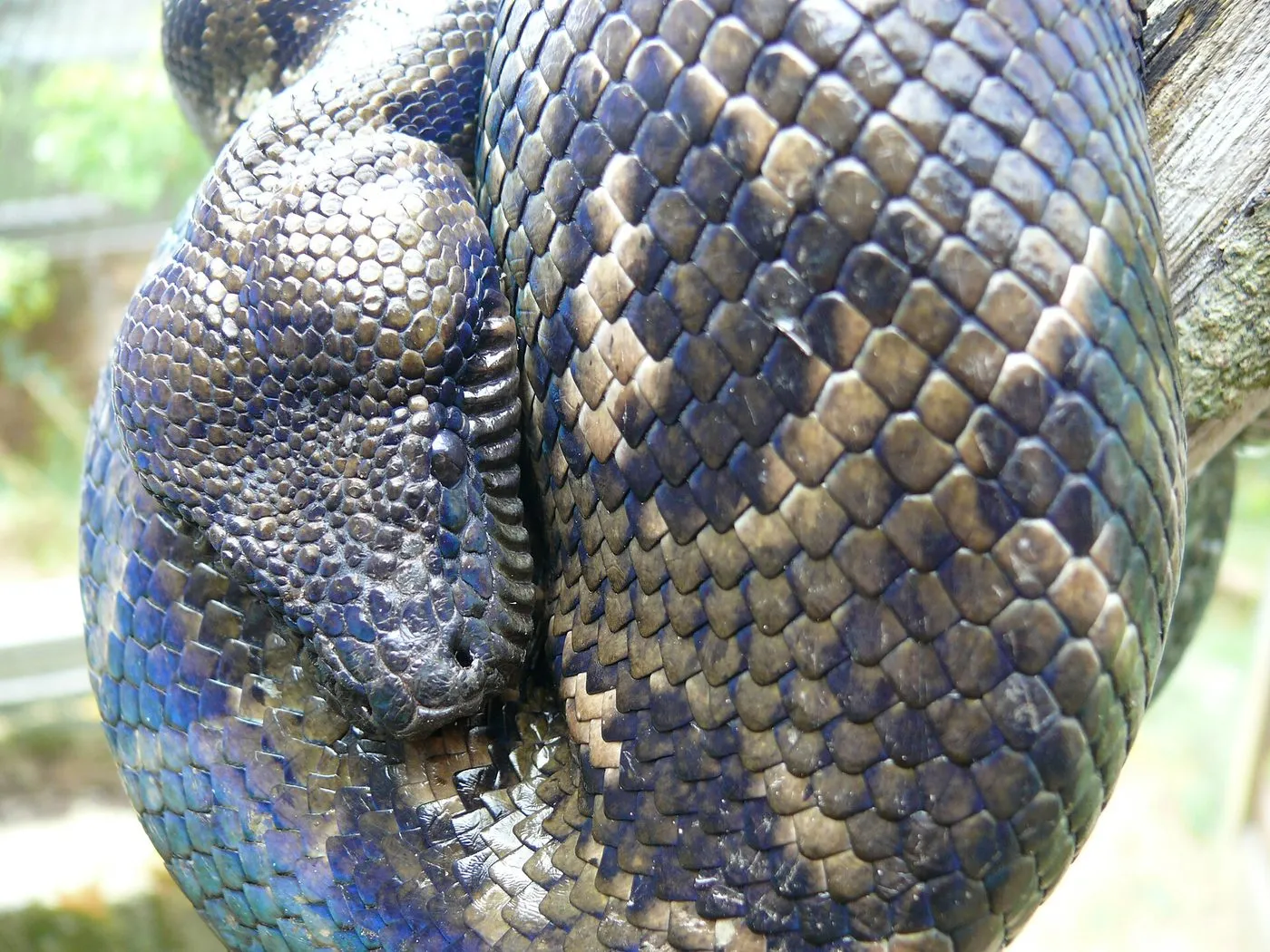 Madagascar tree boa Sanzinia madagascariensis An arboreal boa from Madagascar. Beyond husbandry, what matters most here are CITES and provenance documents. Advanced Madagascar Species protection applies
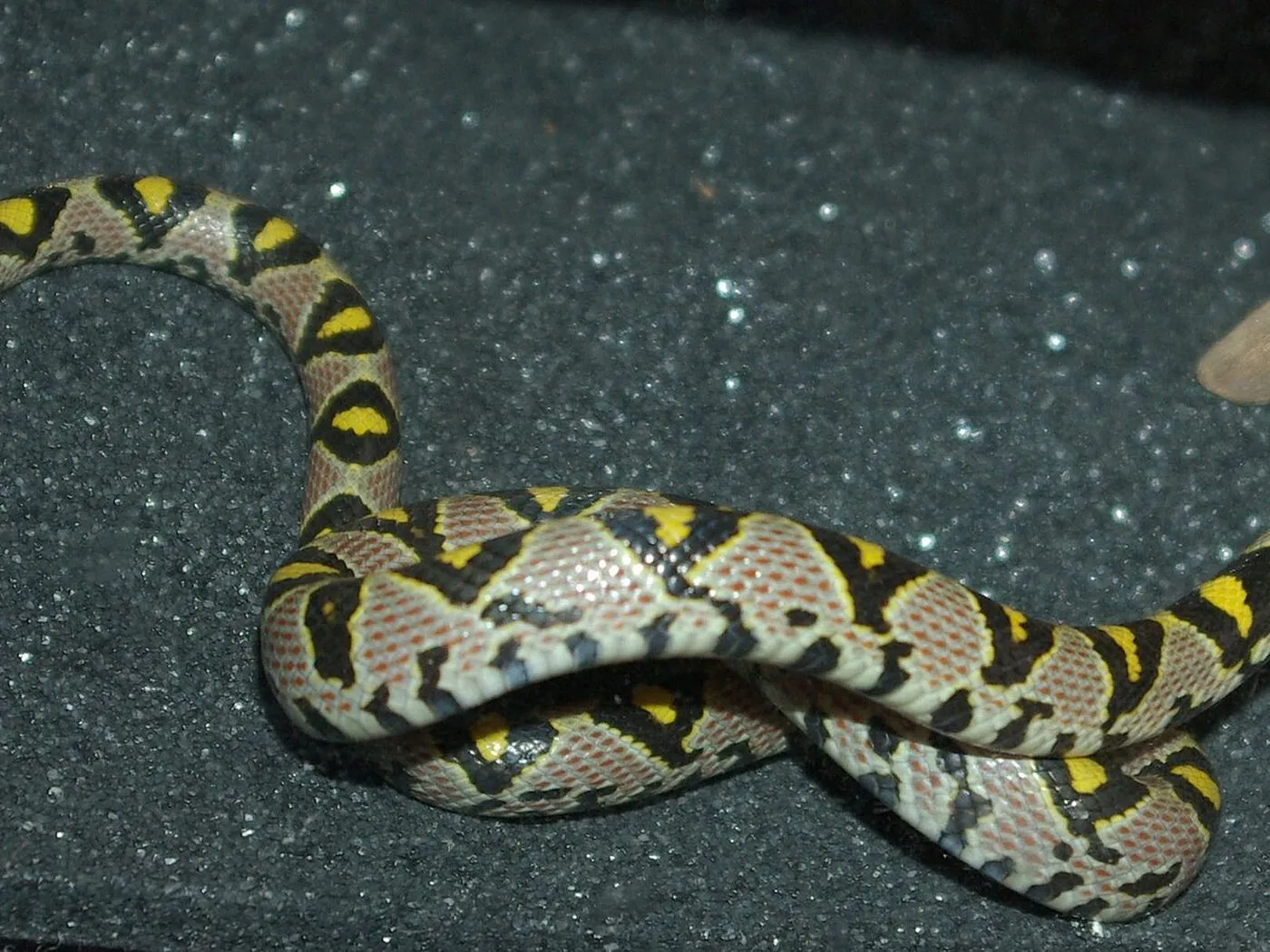 Mandarin rat snake Euprepiophis mandarinus Beautifully marked but demanding: it lives hidden, reacts strongly to stress and tolerates warmth far less well than most colubrids. Advanced East and Southeast Asia No permit
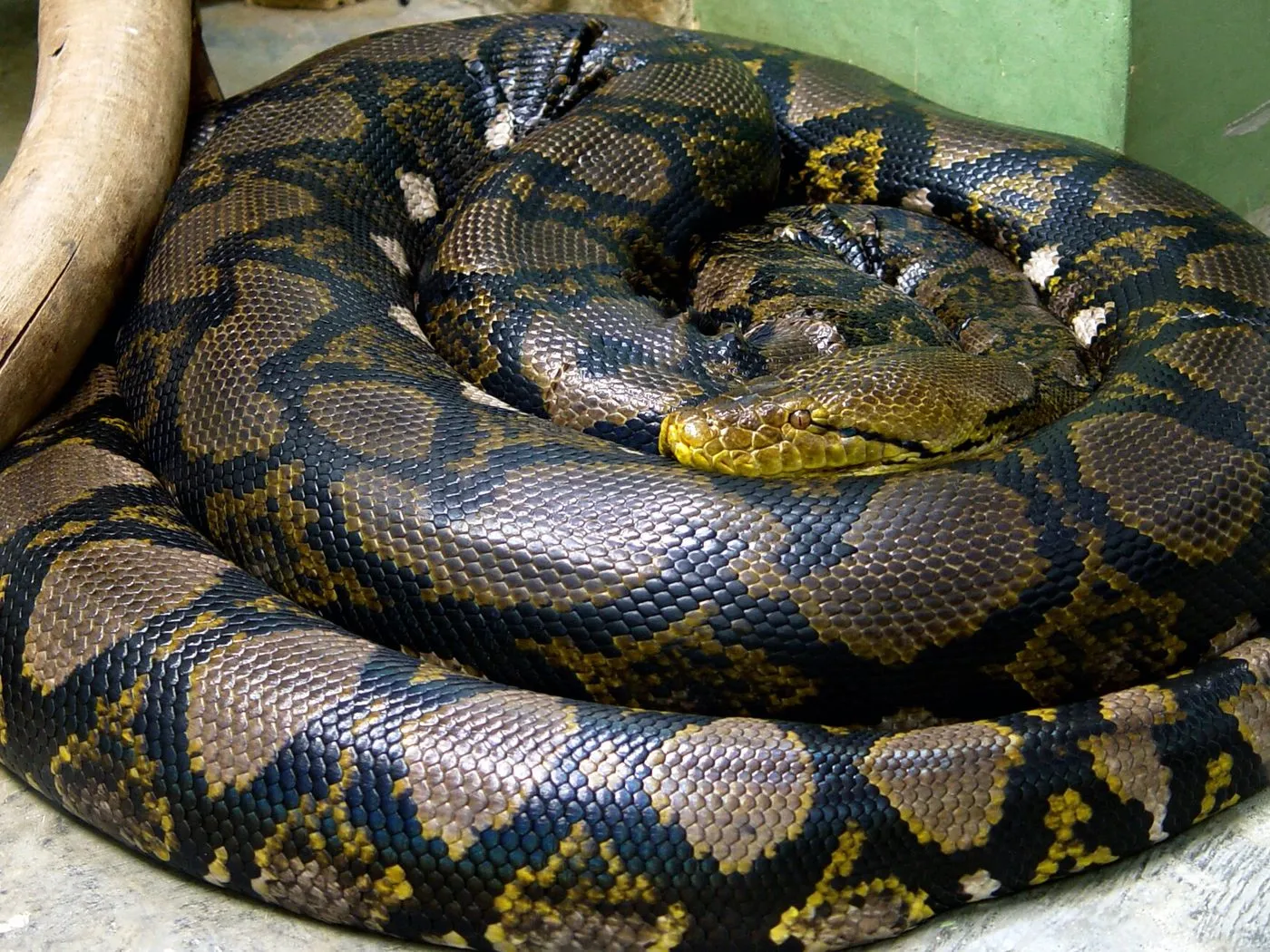 Reticulated python Malayopython reticulatus The longest snake in the world. To be kept only in a professionally secured facility, with a permit, proven expertise and an emergency plan. Advanced Southeast Asia Permit required
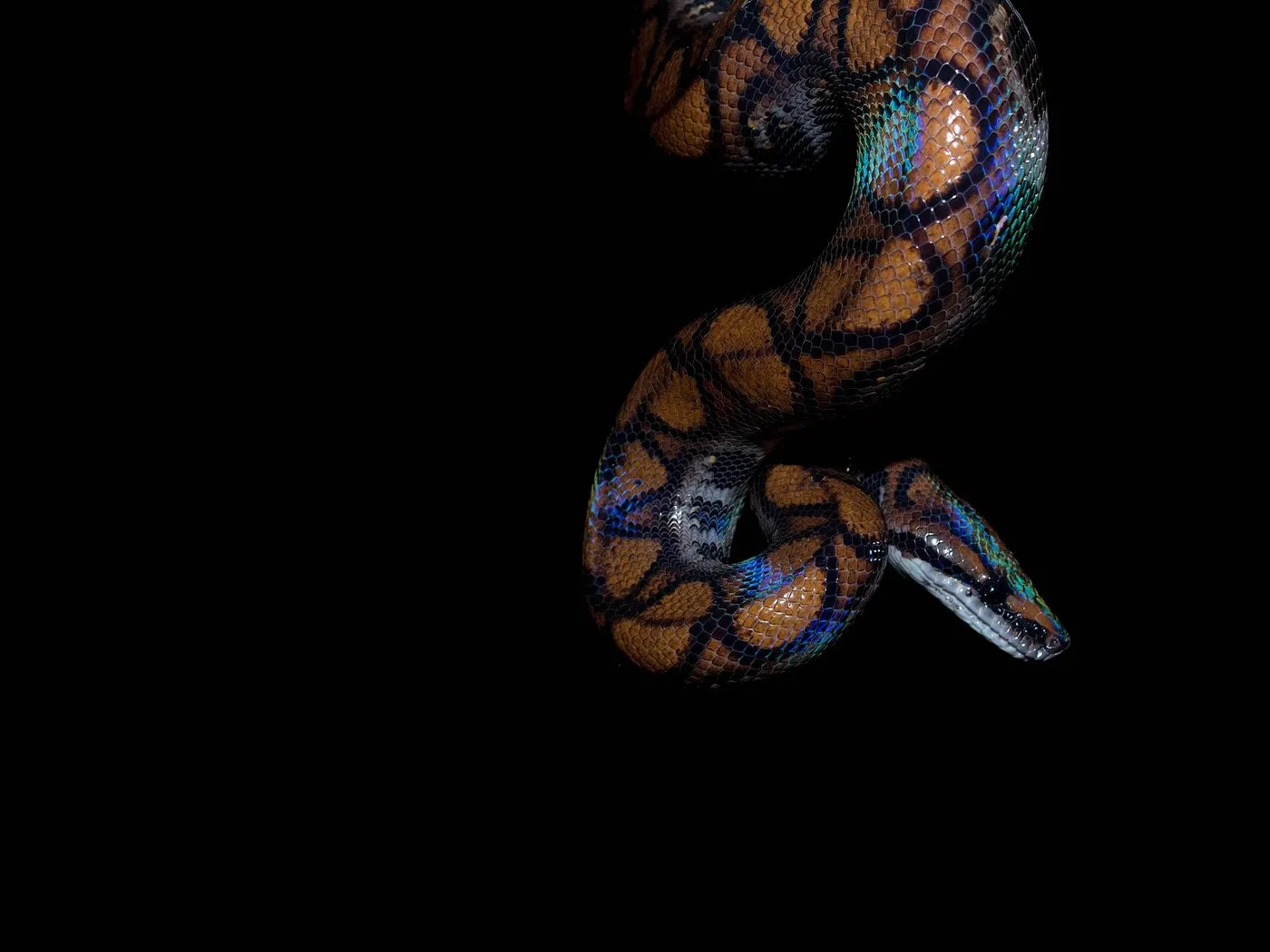 Brazilian rainbow boa Epicrates cenchria The iridescent sheen on the scales comes from light refraction, not pigment. The species needs considerably more humidity than other boas and answers dryness with shedding problems. Intermediate South America Species protection applies
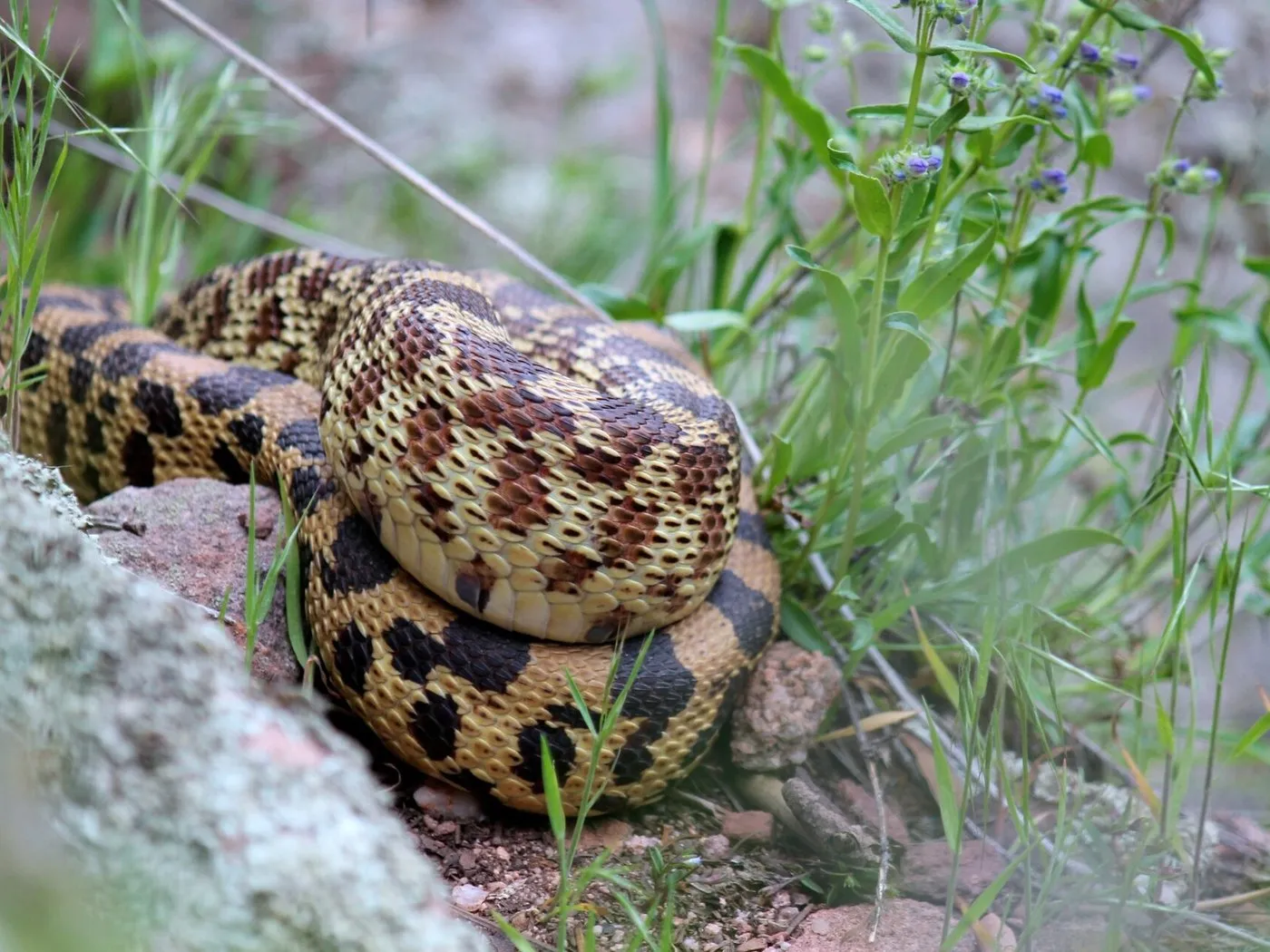 Gopher snake Pituophis catenifer A powerful, burrowing snake that hisses loudly and vibrates its tail when disturbed: A rattlesnake impression with no danger at all. It feeds readily and grows large. Intermediate North America No permit
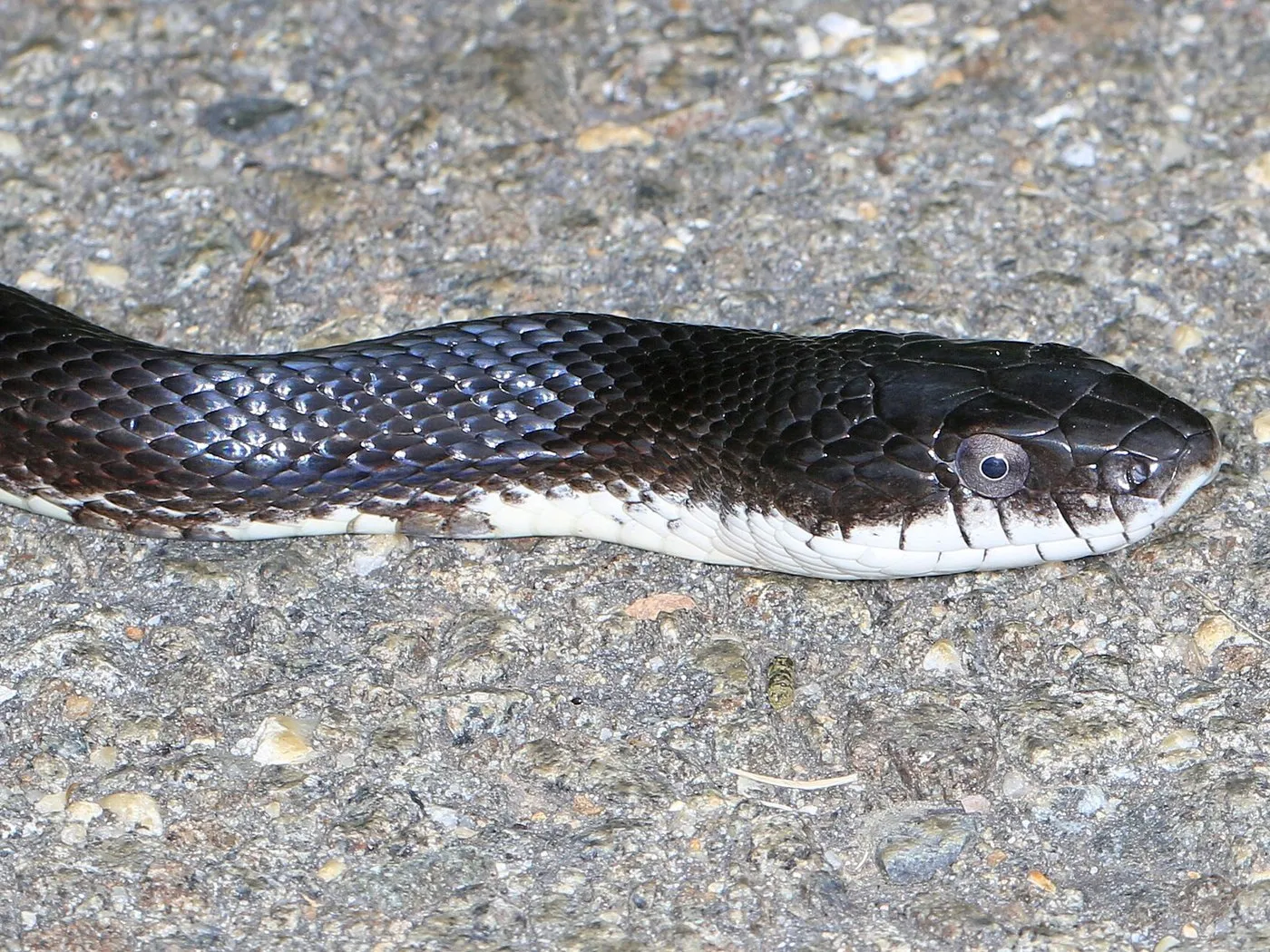 Western rat snake Pantherophis obsoletus A sturdy North American rat snake, larger than the corn snake and just as reliable a feeder. Juveniles bite, adults are usually very calm. Beginner North America No permit
Lizards
Husbandry, origin and legal status from the app.
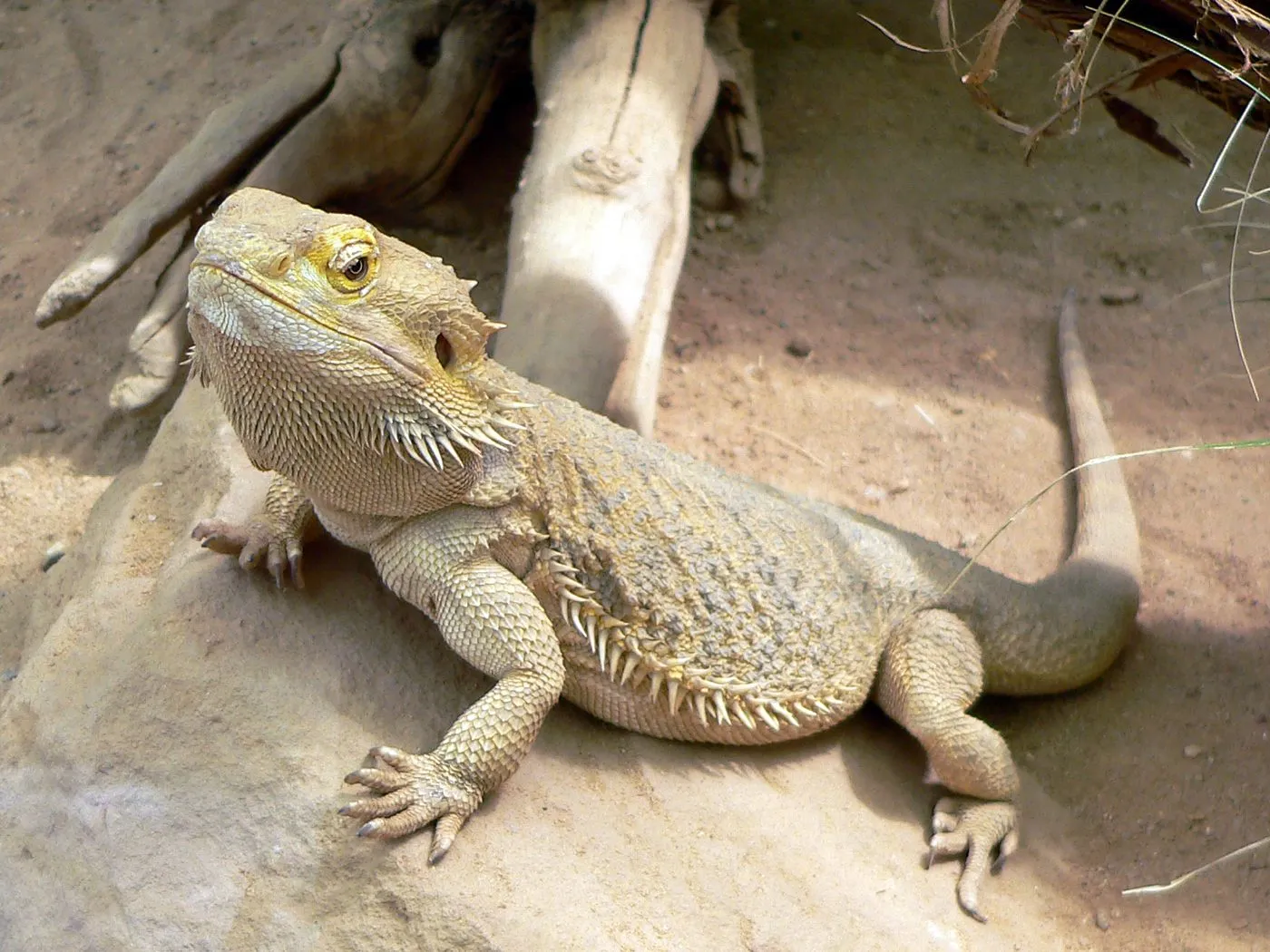 Central bearded dragon Pogona vitticeps Diurnal, confiding and popular for that reason. Its need for strong light, UVB and a hot basking spot is regularly underestimated. Beginner Australia No permit
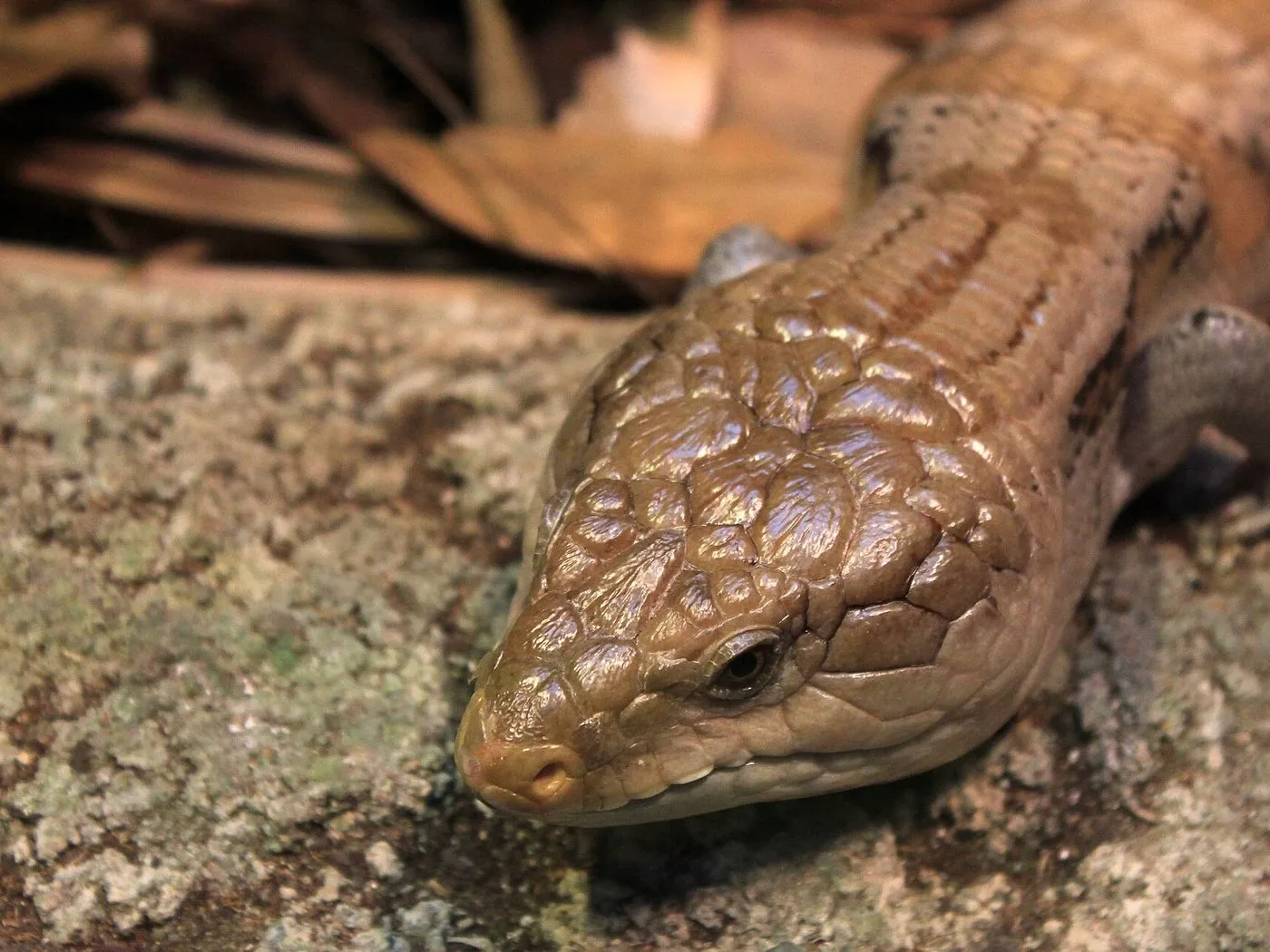 Blue-tongued skink Tiliqua scincoides A ground-dwelling skink with a calm temperament and a broad diet. Above all it needs floor space and the chance to dig. Intermediate Australia and Indonesia Species protection applies
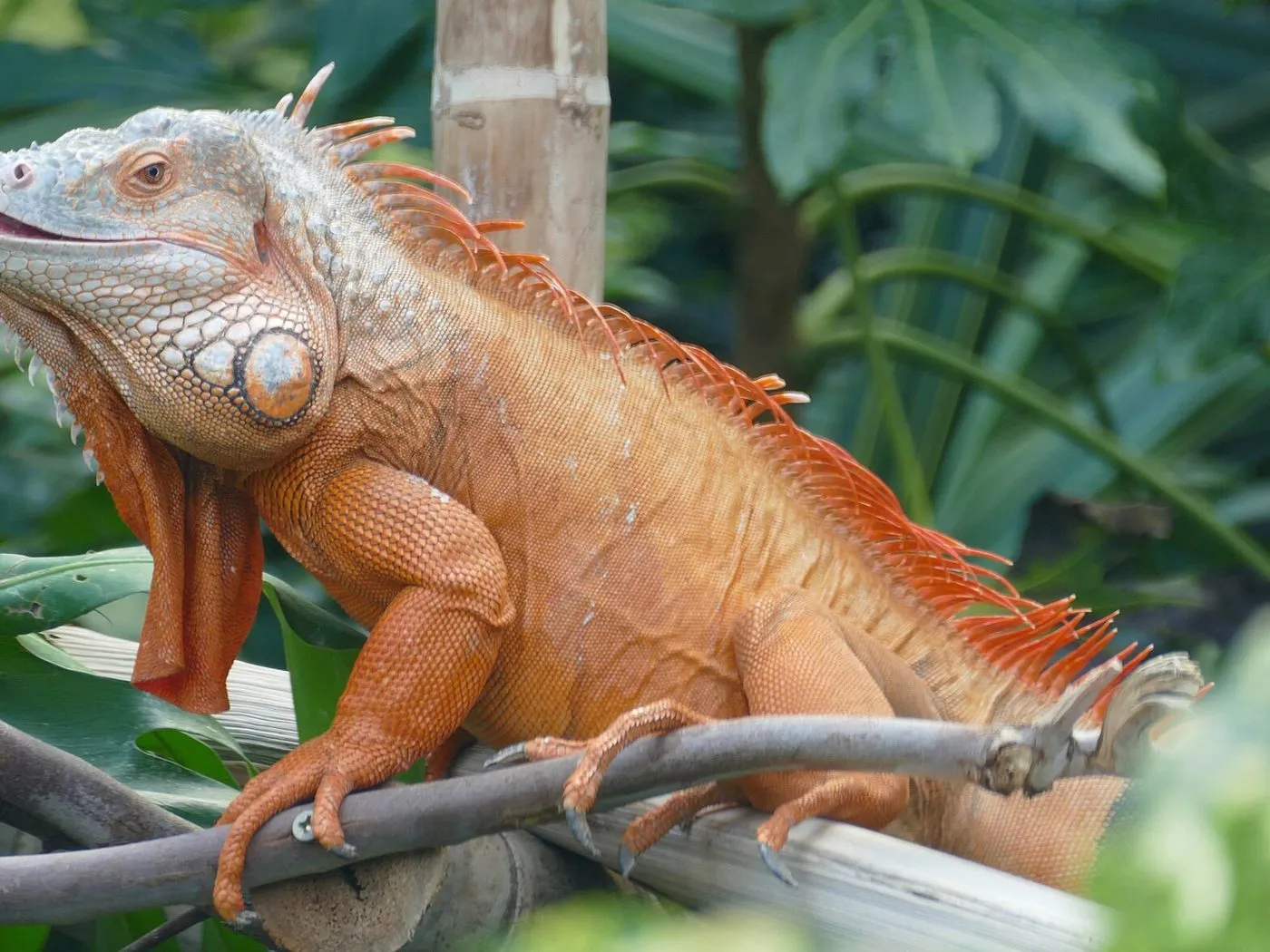 Green iguana Iguana iguana It grows very large and lives in trees. The space an adult needs exceeds any off-the-shelf enclosure. Requires a permit in Switzerland. Advanced Central and South America Permit required
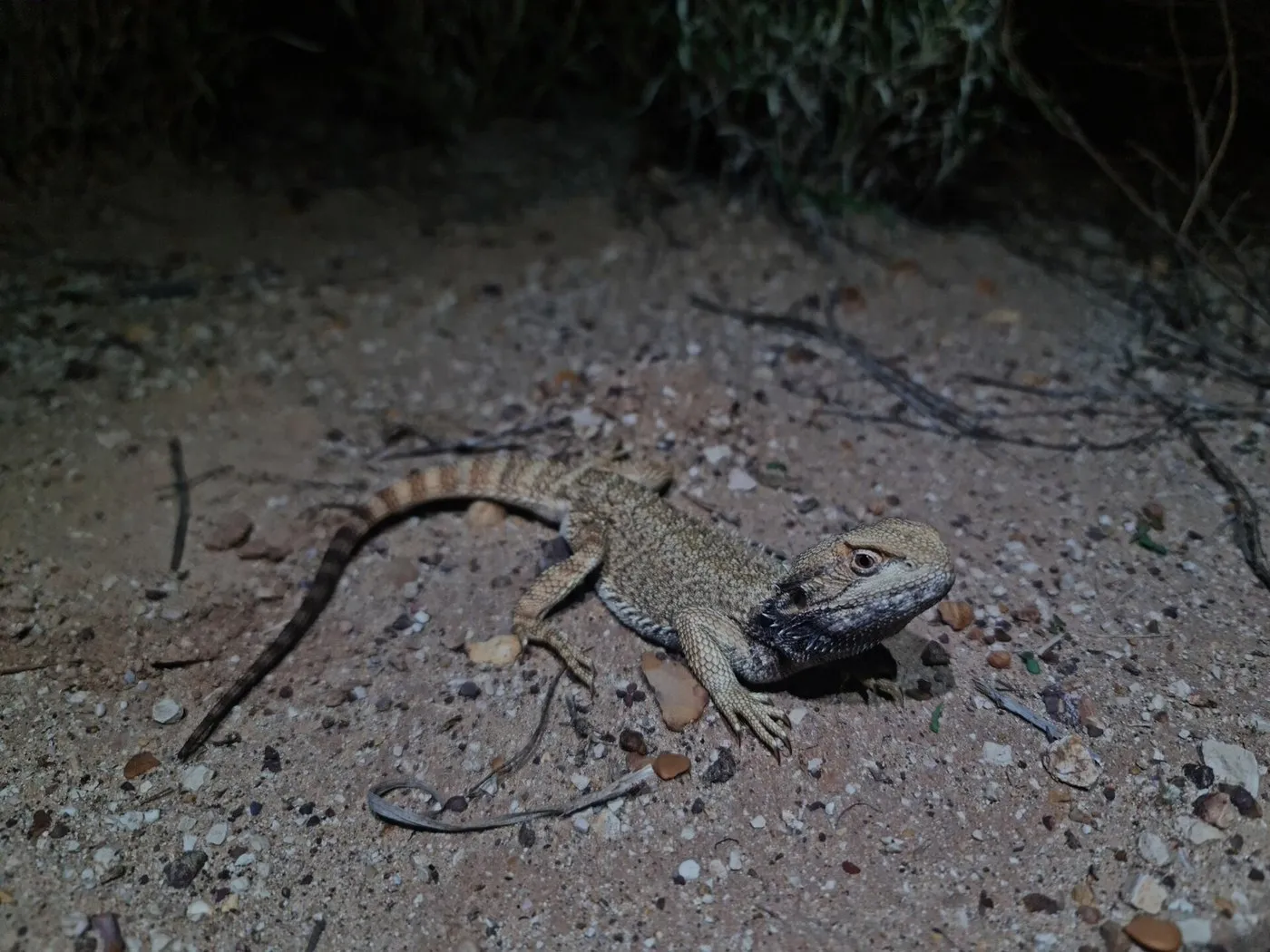 Rankin's dragon Pogona henrylawsoni The bearded dragon's little sister: same requirements, half the size. Anyone who cannot provide a bearded dragon's terrarium finds the honest alternative here instead of a tank that is too small. Beginner Australia No permit
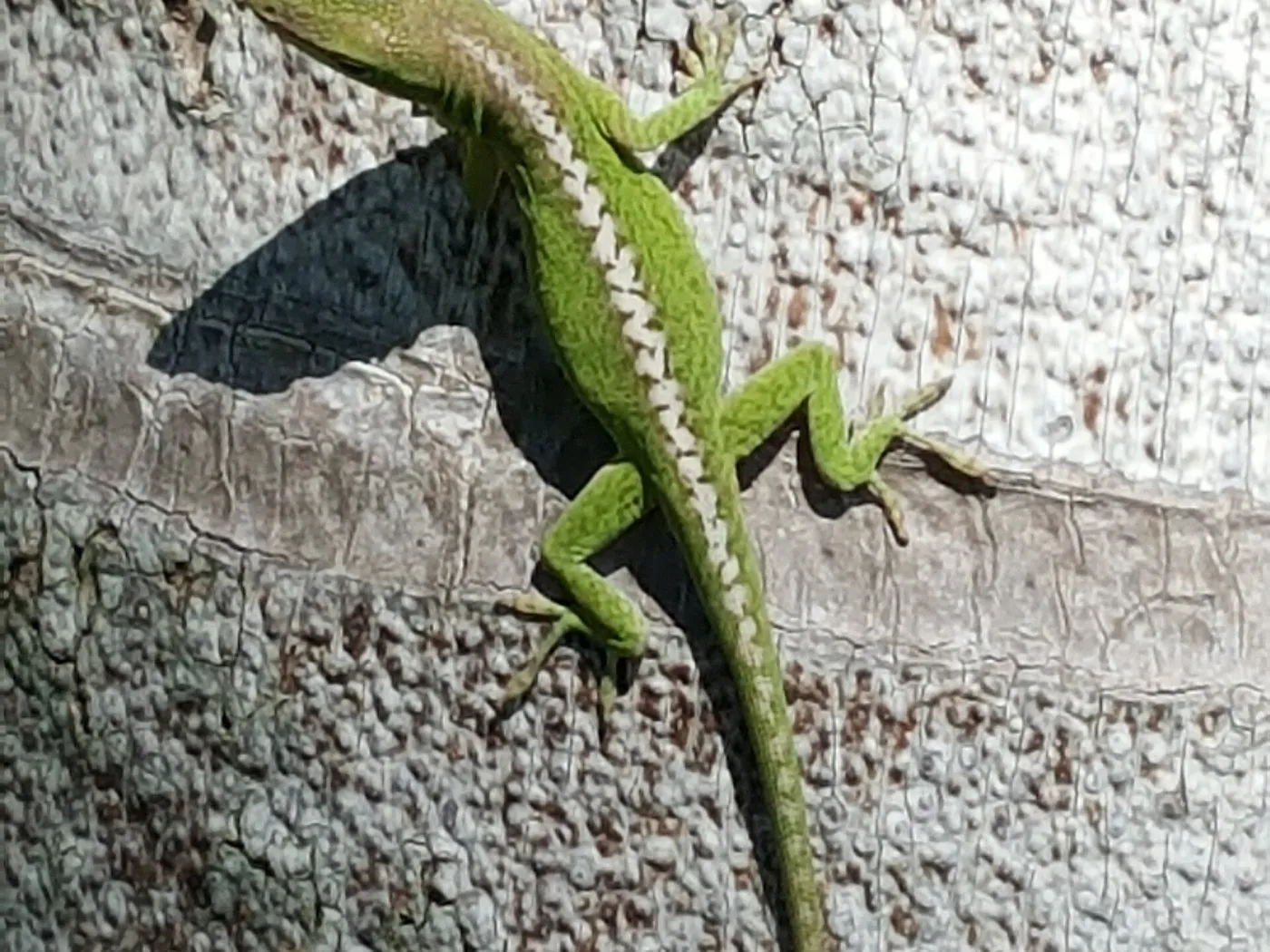 Green anole Anolis carolinensis One of the few small lizards that truly show themselves in a planted terrarium. It does not become tame: Anyone looking for a lizard to handle is in the wrong place. Beginner North America No permit
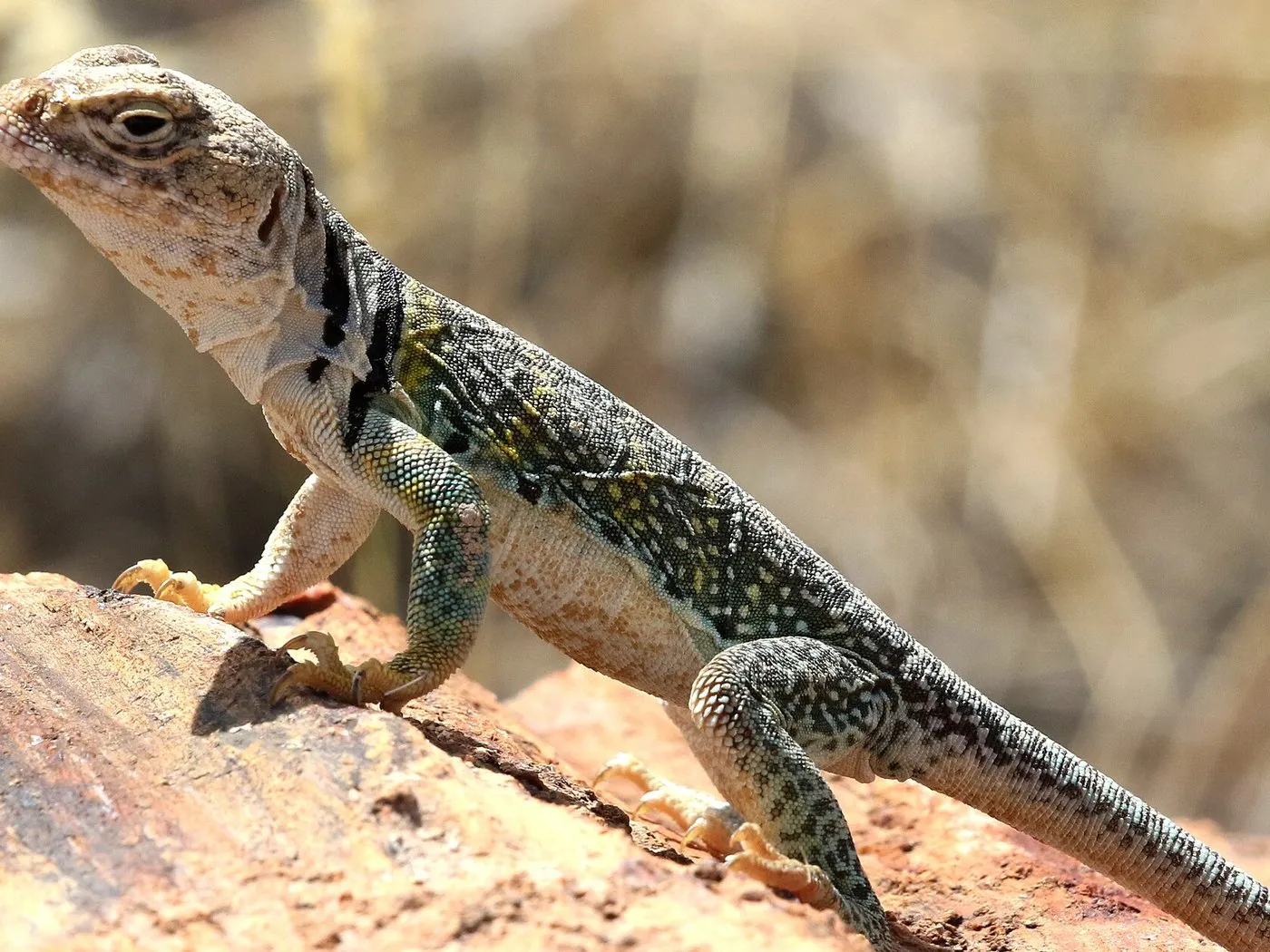 Common collared lizard Crotaphytus collaris Brightly coloured, very fast and extremely demanding of heat. When threatened it runs on its hind legs. So it needs distance, and that is where most terrariums fail. Intermediate North America No permit
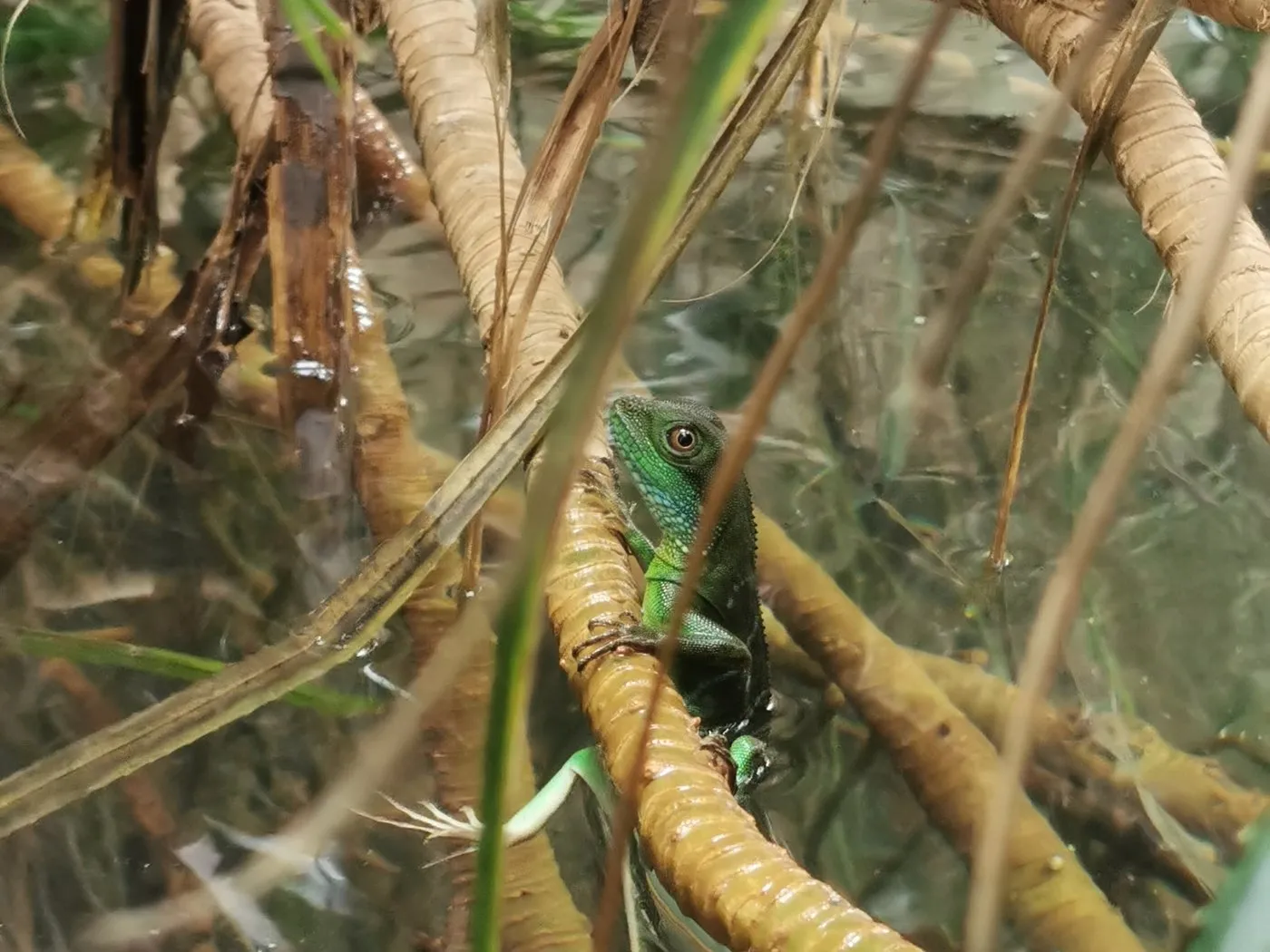 Chinese water dragon Physignathus cocincinus A large, sociable lizard that swims and climbs. It needs an enclosure closer to a room than a terrarium. Otherwise it runs against the glass until its snout is raw. Intermediate Southeast Asia Species protection applies
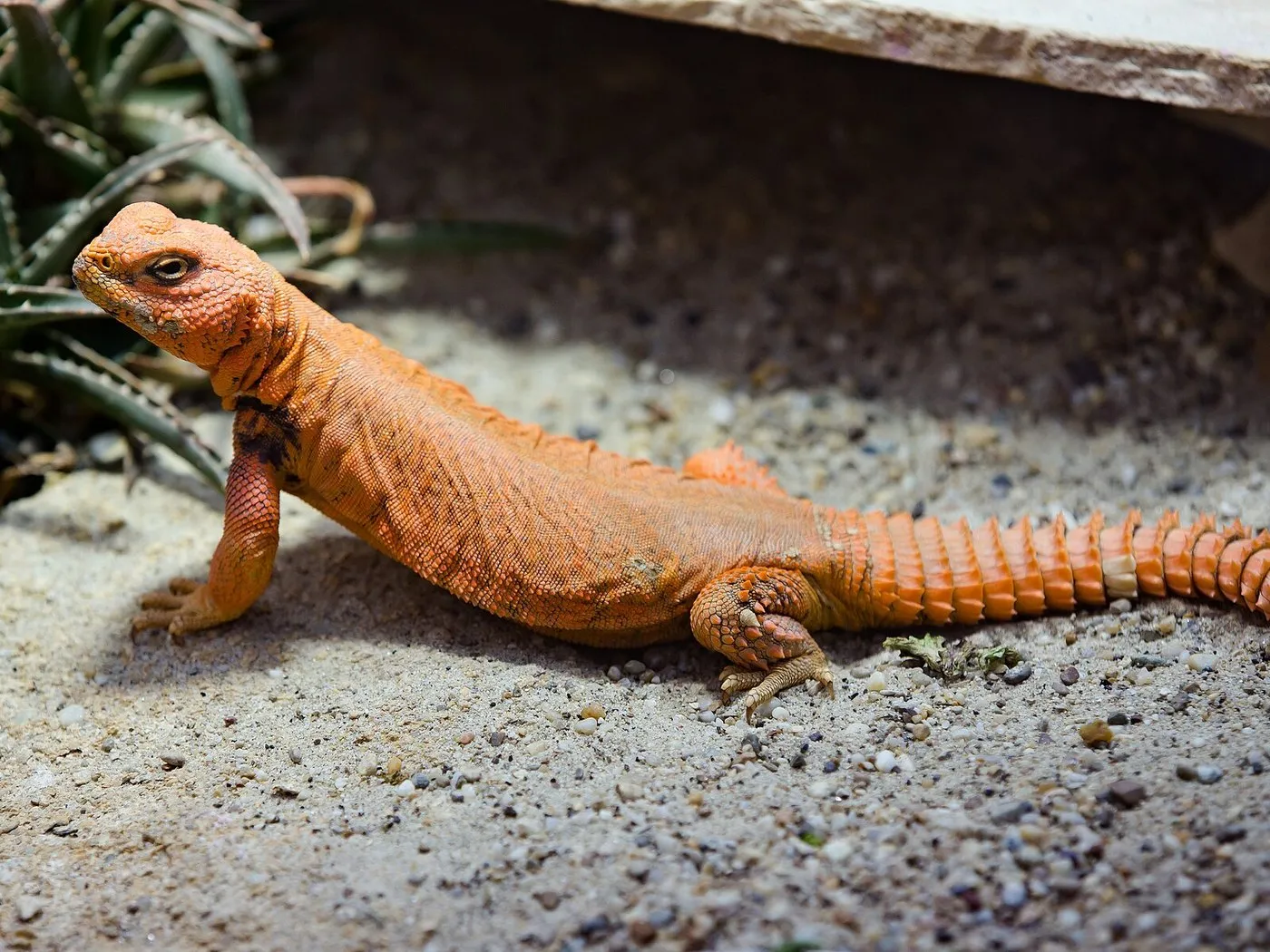 Saharan spiny-tailed lizard Uromastyx geyri A desert herbivore that needs heat like almost no other terrarium animal. The wrong food (insects and fruit) reliably causes kidney damage in this species. Intermediate North Africa Species protection applies
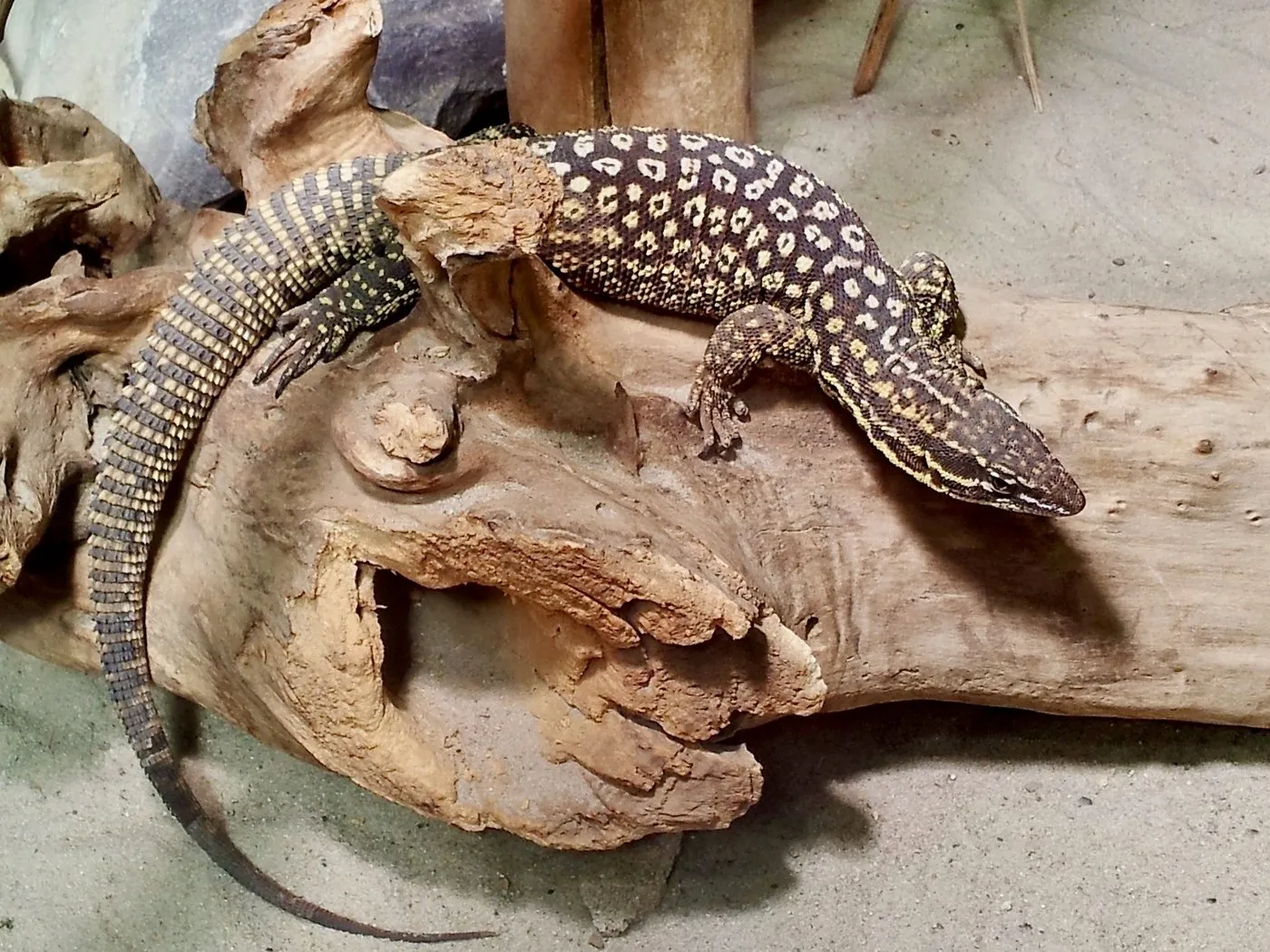 Ridge-tailed monitor Varanus acanthurus One of the smallest monitors in the hobby and one of the few that may be kept without a permit. Clever, active and curious, correspondingly quick to become under-stimulated. Advanced Australia Species protection applies
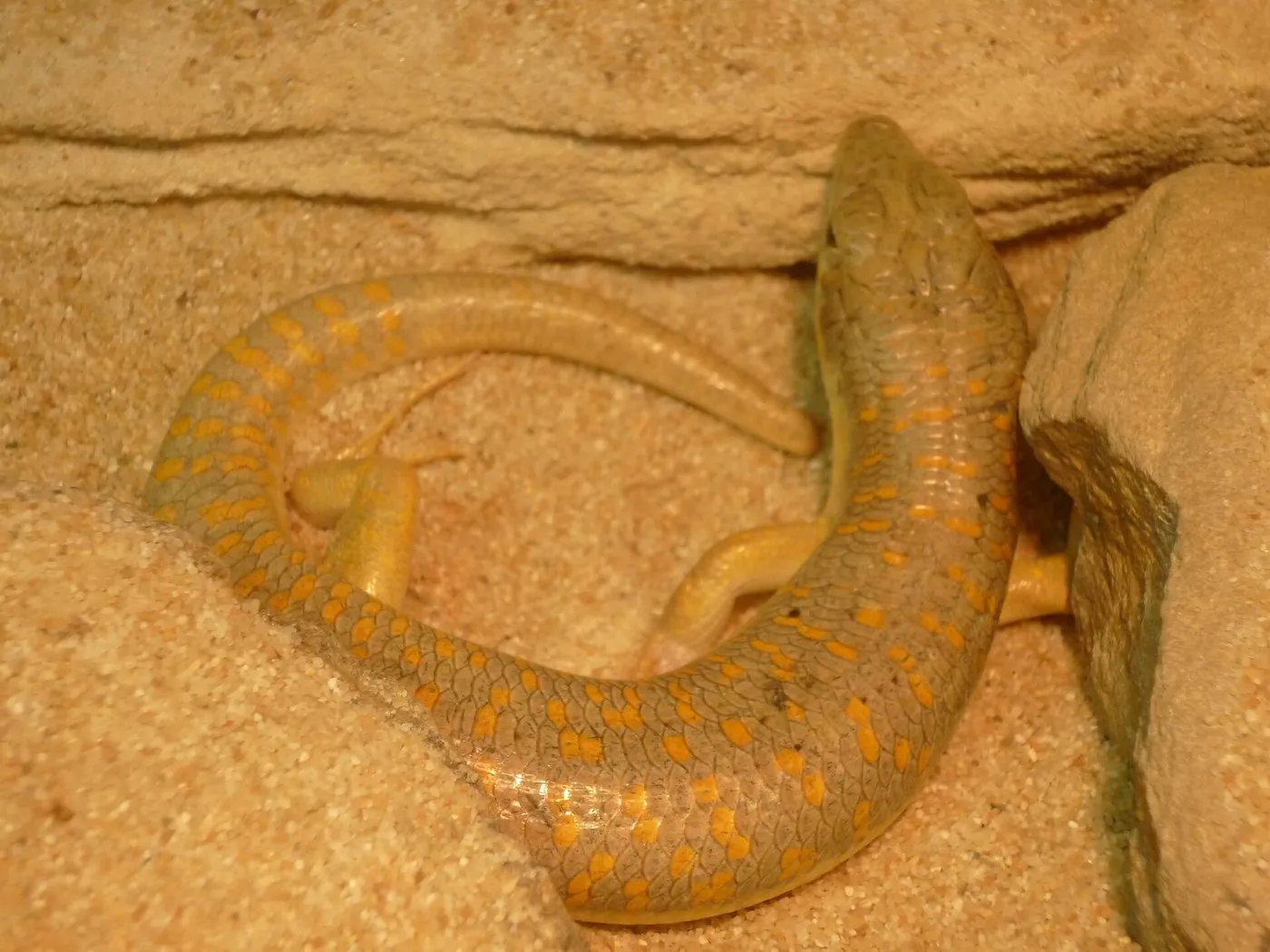 Schneider's skink Eumeces schneiderii Sturdily built, golden brown with orange spots and surprisingly confiding. It digs a great deal and demands one thing above all: deep substrate rather than a decorative layer of sand. Beginner North Africa and the Near East No permit
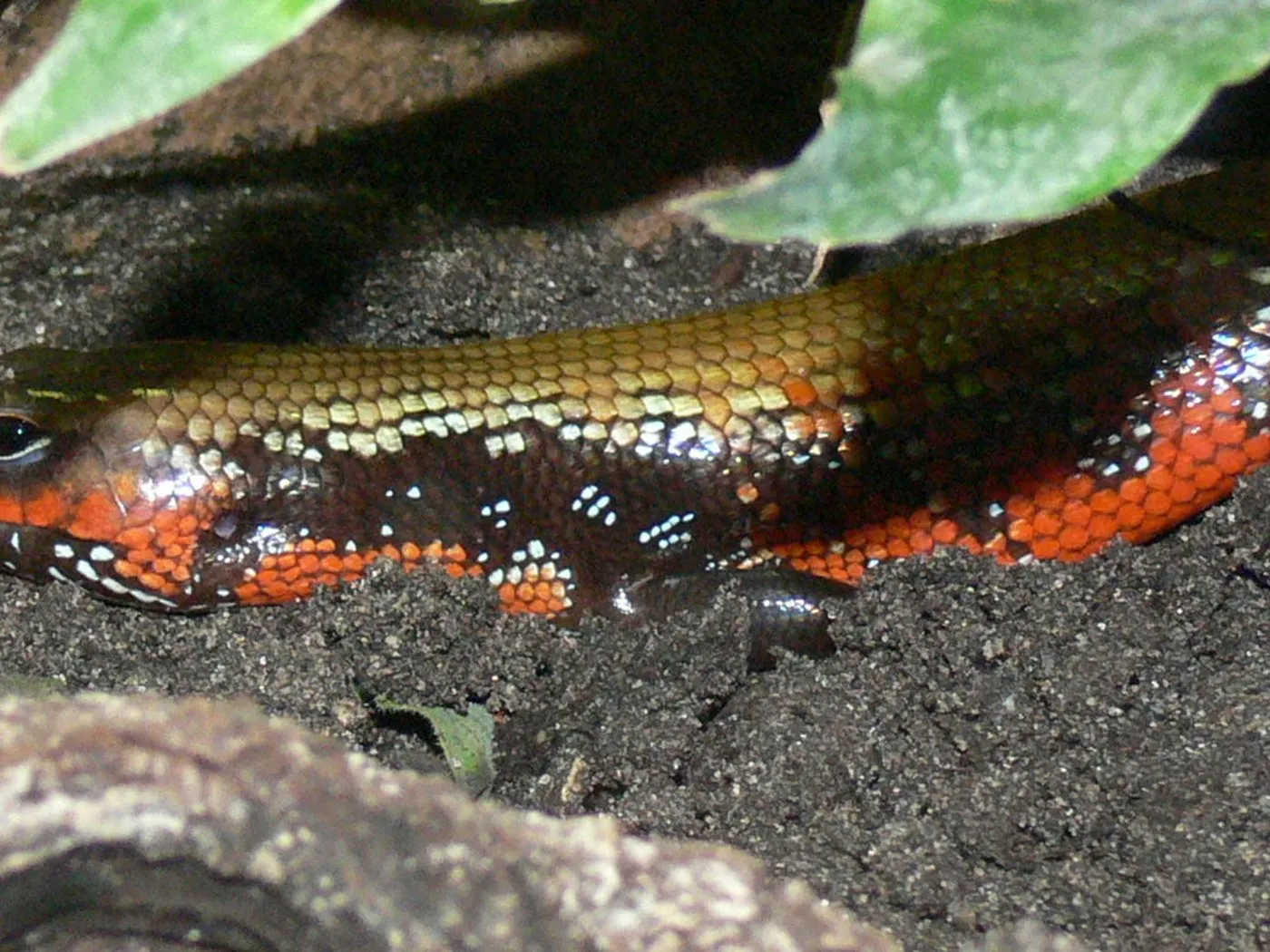 Fire skink Mochlus fernandi Bright red flanks and black-and-white banding: One of the most colourful lizards there is. It lives hidden in the moist substrate and shows itself only at times. Beginner West Africa No permit
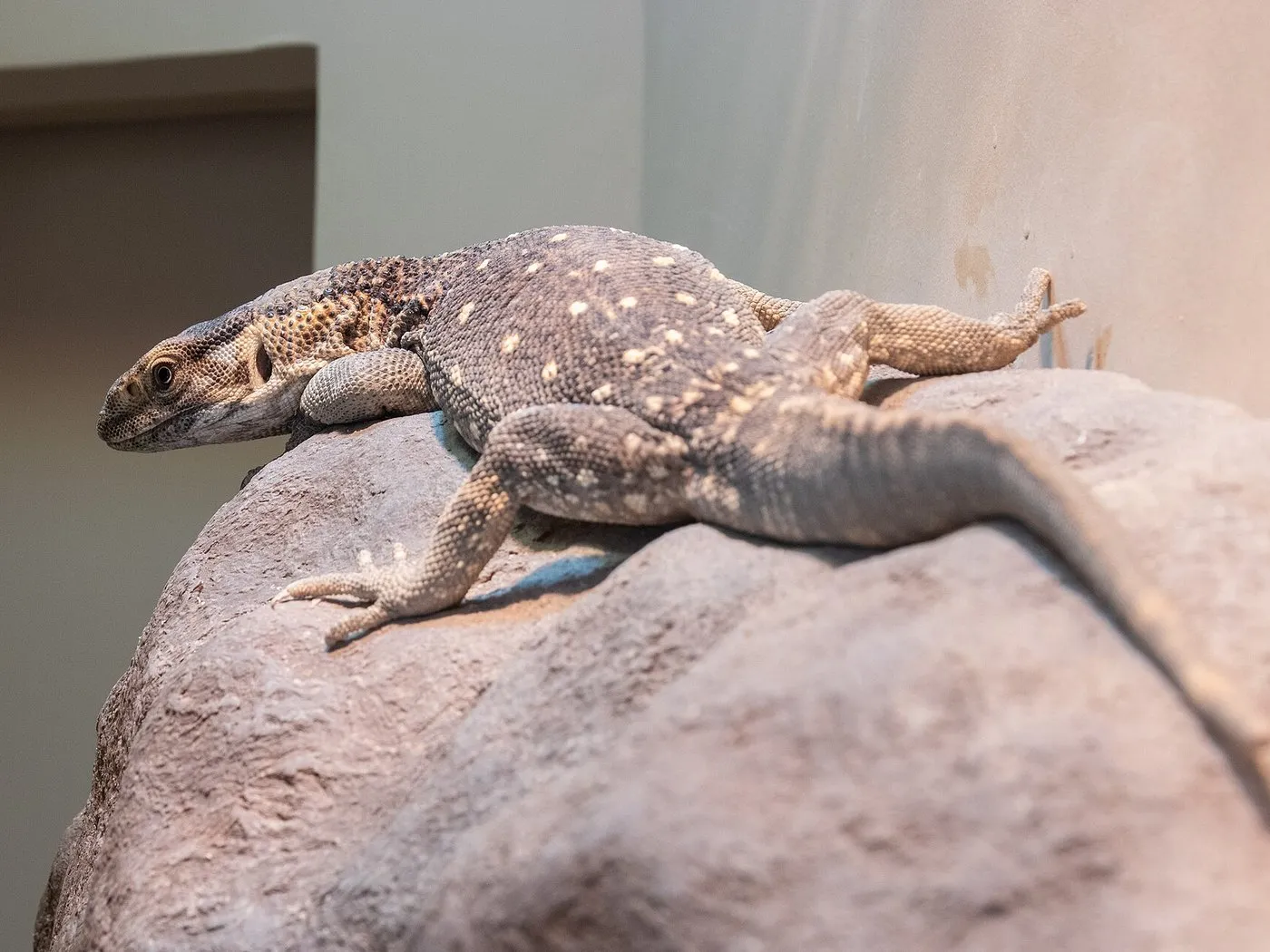 Savannah monitor Varanus exanthematicus Often sold as a tame beginner's animal and almost as often kept overweight and in too little space. A monitor that needs a room and, in Switzerland, a permit. Advanced Africa Permit required
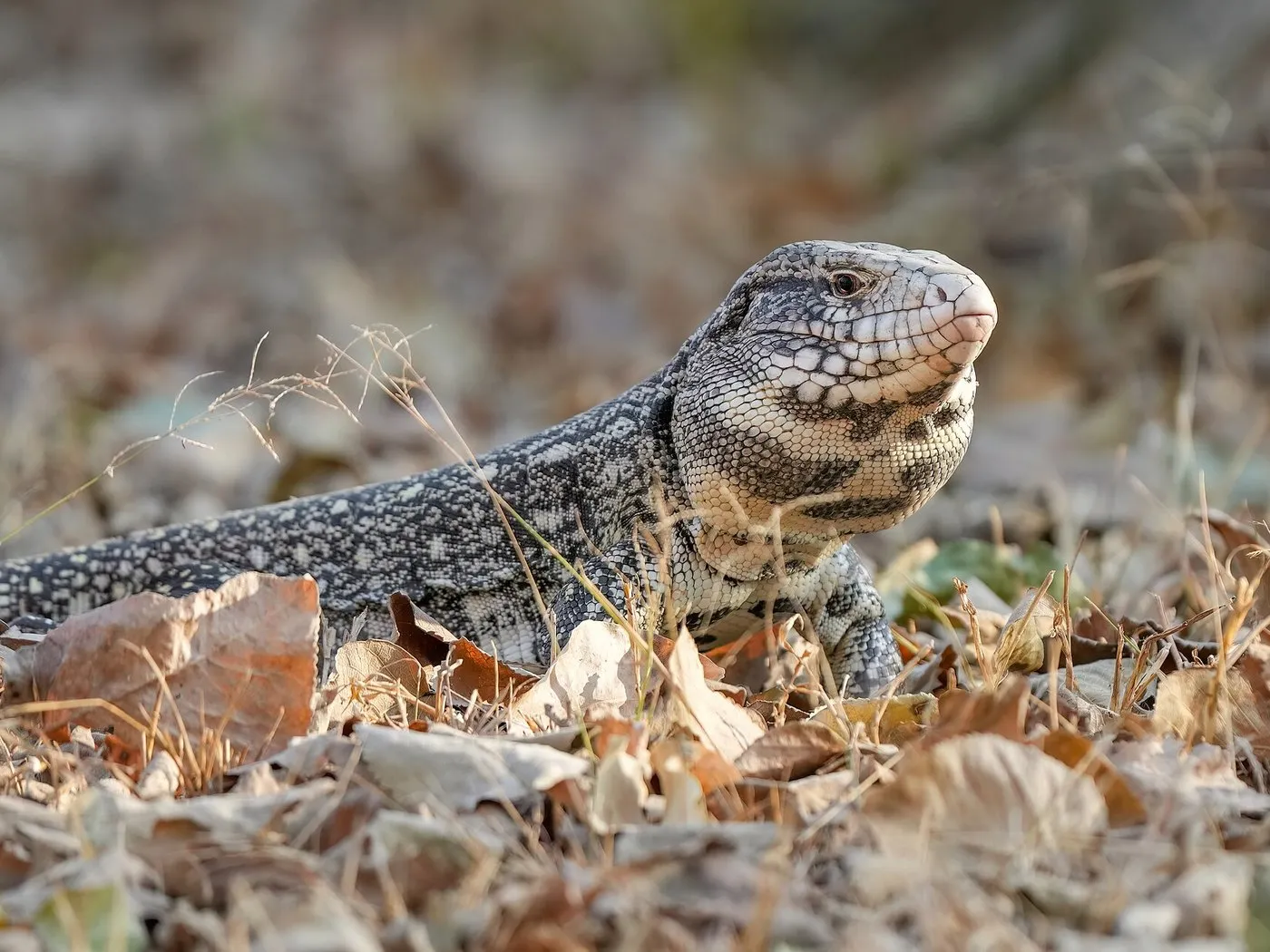 Argentine black and white tegu Salvator merianae Over a metre long, as clever as a dog and requiring a permit in Switzerland. Anyone with the space and the permit gets one of the most approachable reptiles there is. Advanced South America Permit required
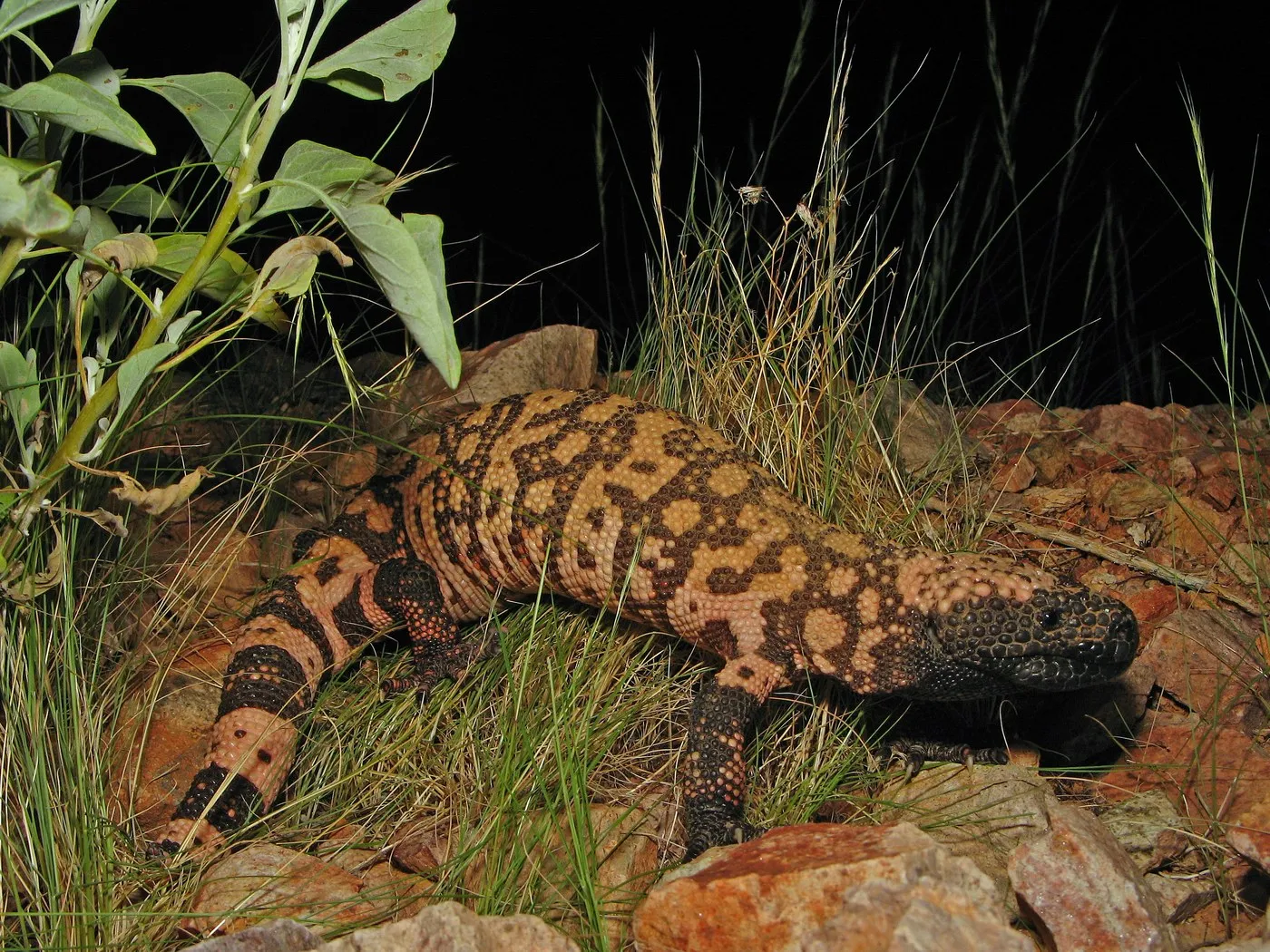 Gila monster Heloderma suspectum One of the few venomous lizards in the world: Slow and mostly calm, and for that very reason often underestimated. A bite is a medical emergency. Requires a permit in Switzerland. Advanced North America Permit required
Geckos
Husbandry, origin and legal status from the app.
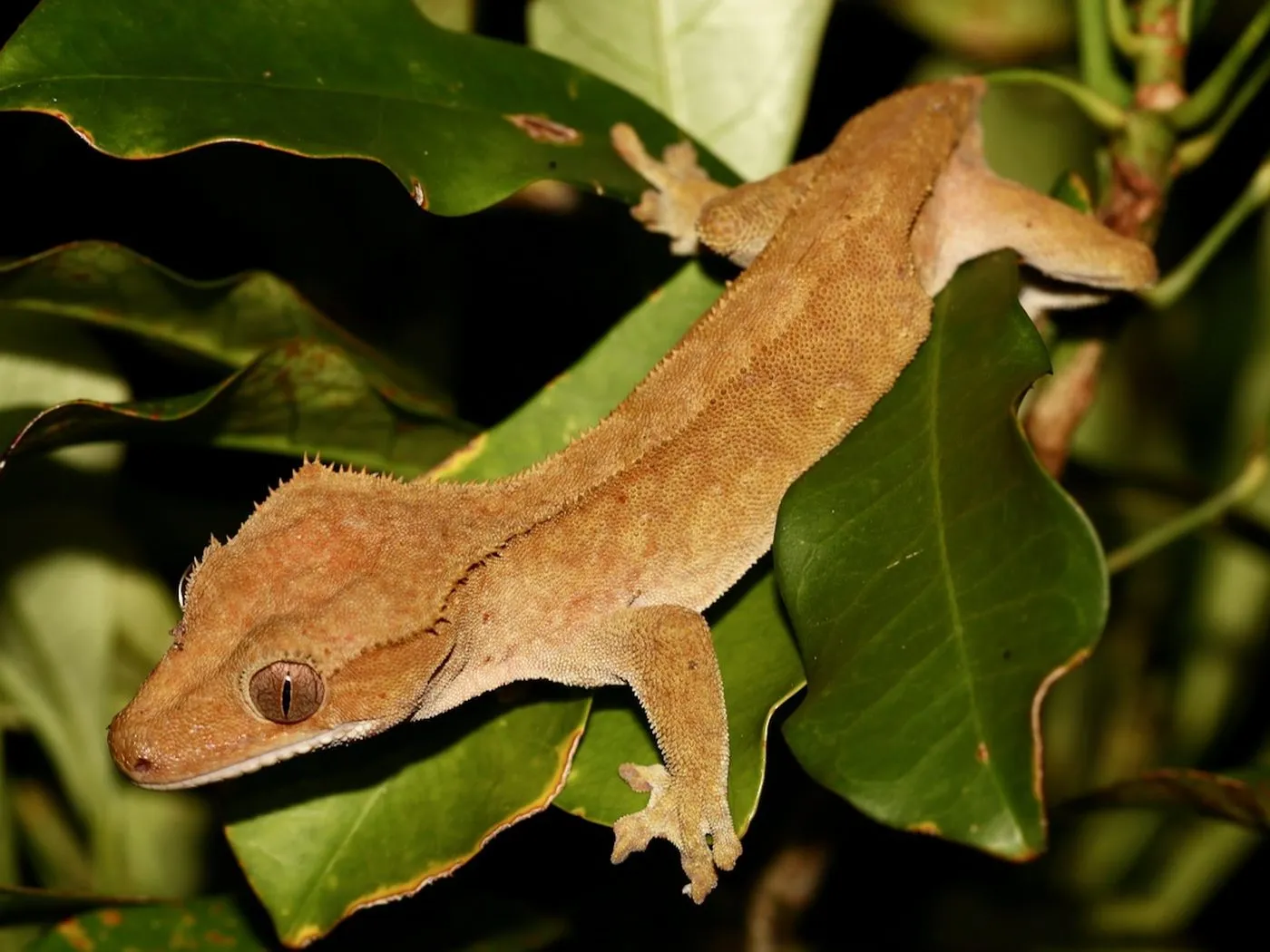 Crested gecko Correlophus ciliatus A nocturnal climber from New Caledonia that gets by without strong heat. Height, humidity and climbing structure are what matter here. Beginner New Caledonia No permit
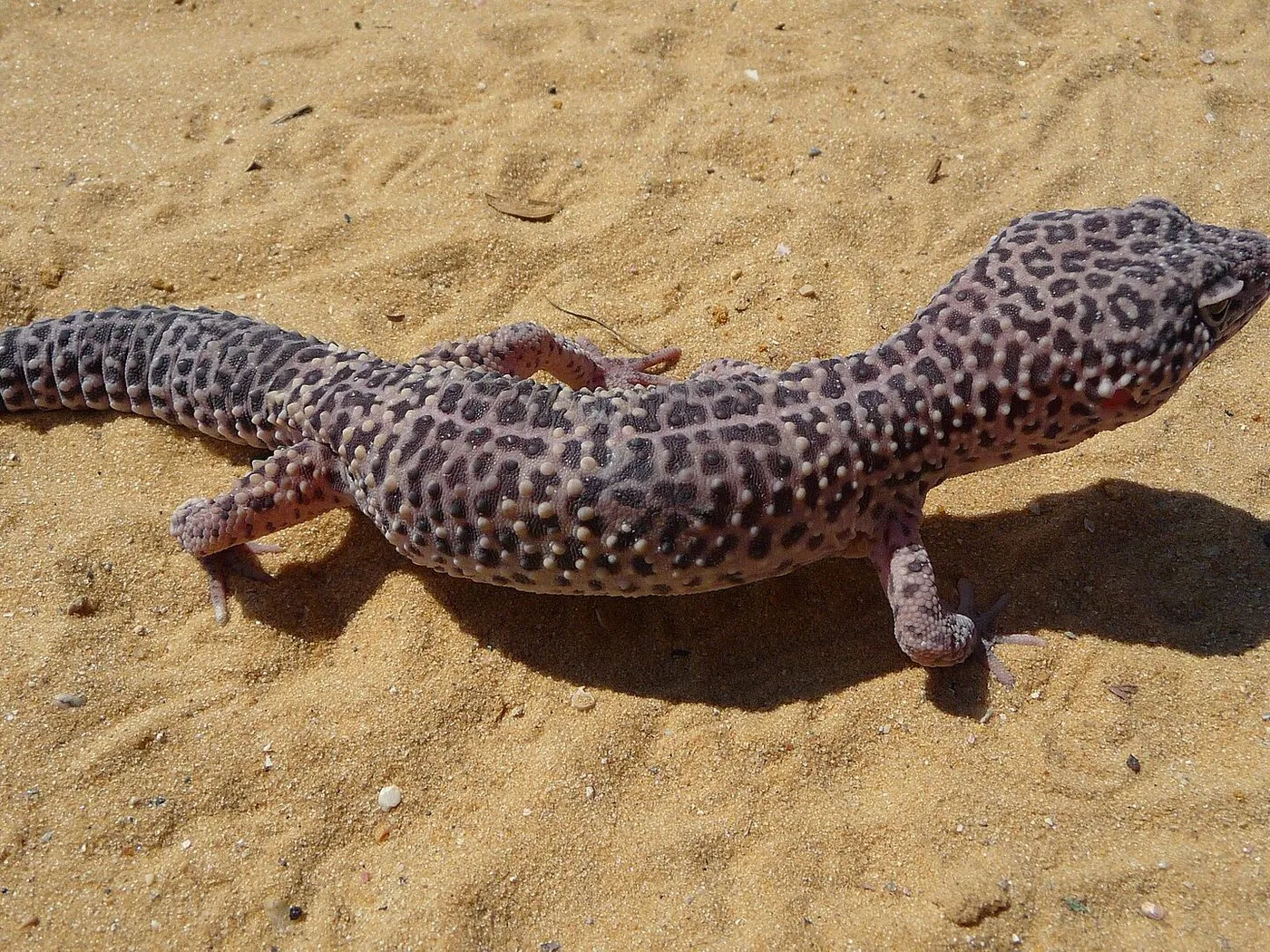 Leopard gecko Eublepharis macularius Probably the most commonly kept gecko: crepuscular, ground-dwelling and modest in its space requirements. It too needs a temperature gradient and several hides. Beginner South and Central Asia No permit
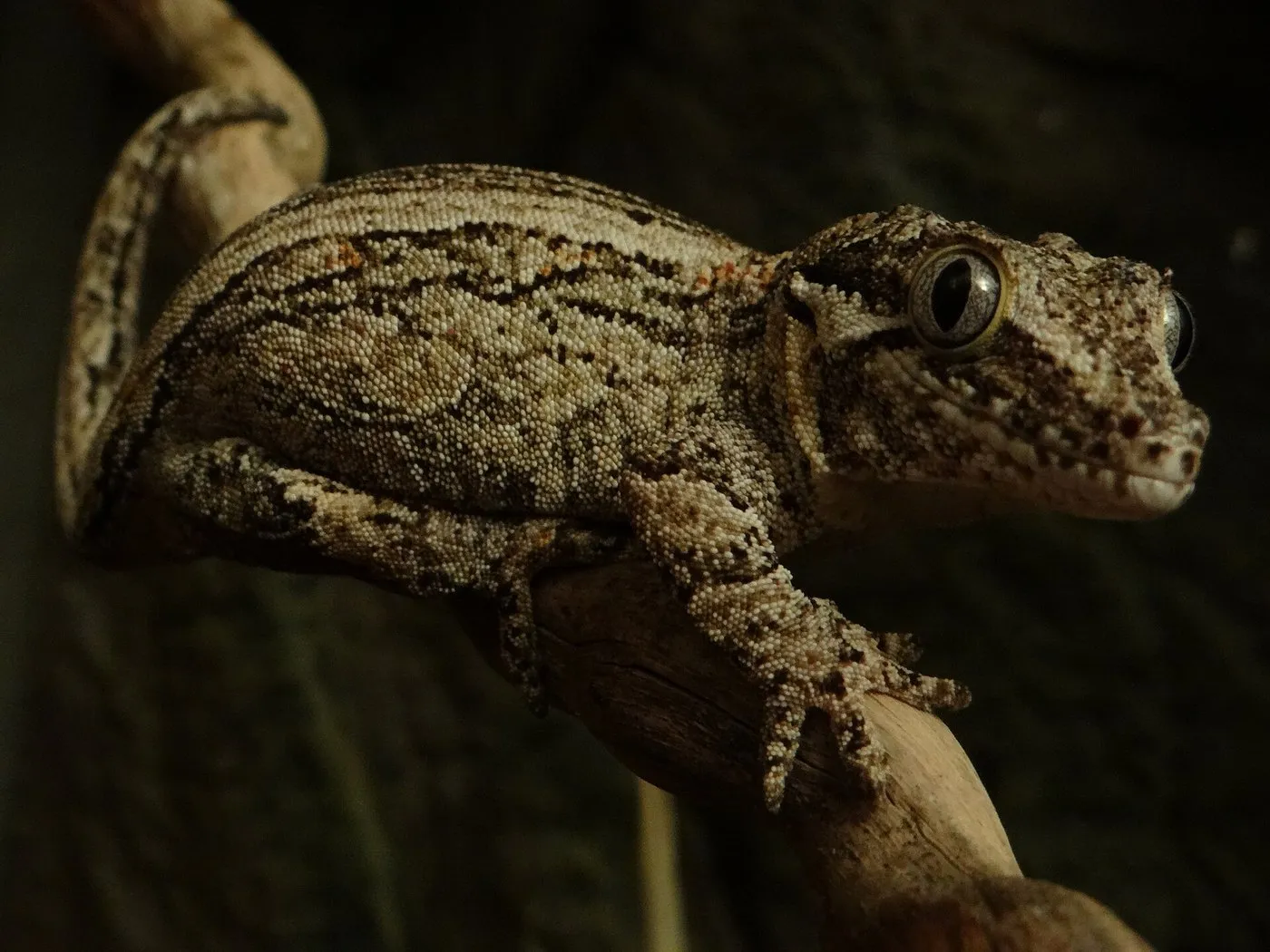 Gargoyle gecko Rhacodactylus auriculatus Sturdier and less delicate than the crested gecko, with bony bumps on the head. In German it is also called “Höckerkopfgecko”. It gets by at room temperature and needs no heating: One of the few genuine beginner geckos. Beginner New Caledonia No permit
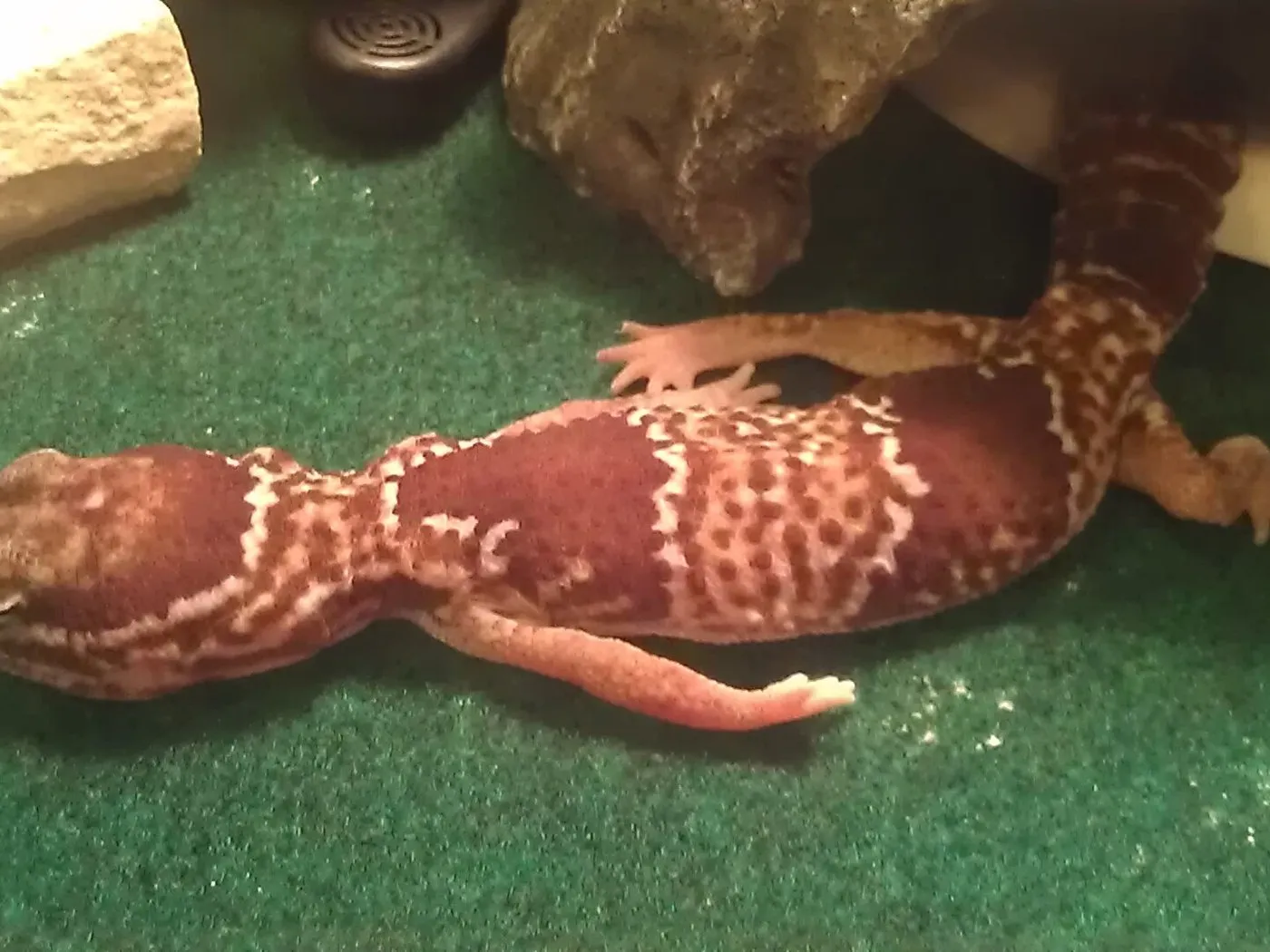 African fat-tailed gecko Hemitheconyx caudicinctus The West African relative of the leopard gecko: calmer, kept slightly moister and less common. The thick tail is a store and shows the animal's condition at a glance. Beginner West Africa No permit
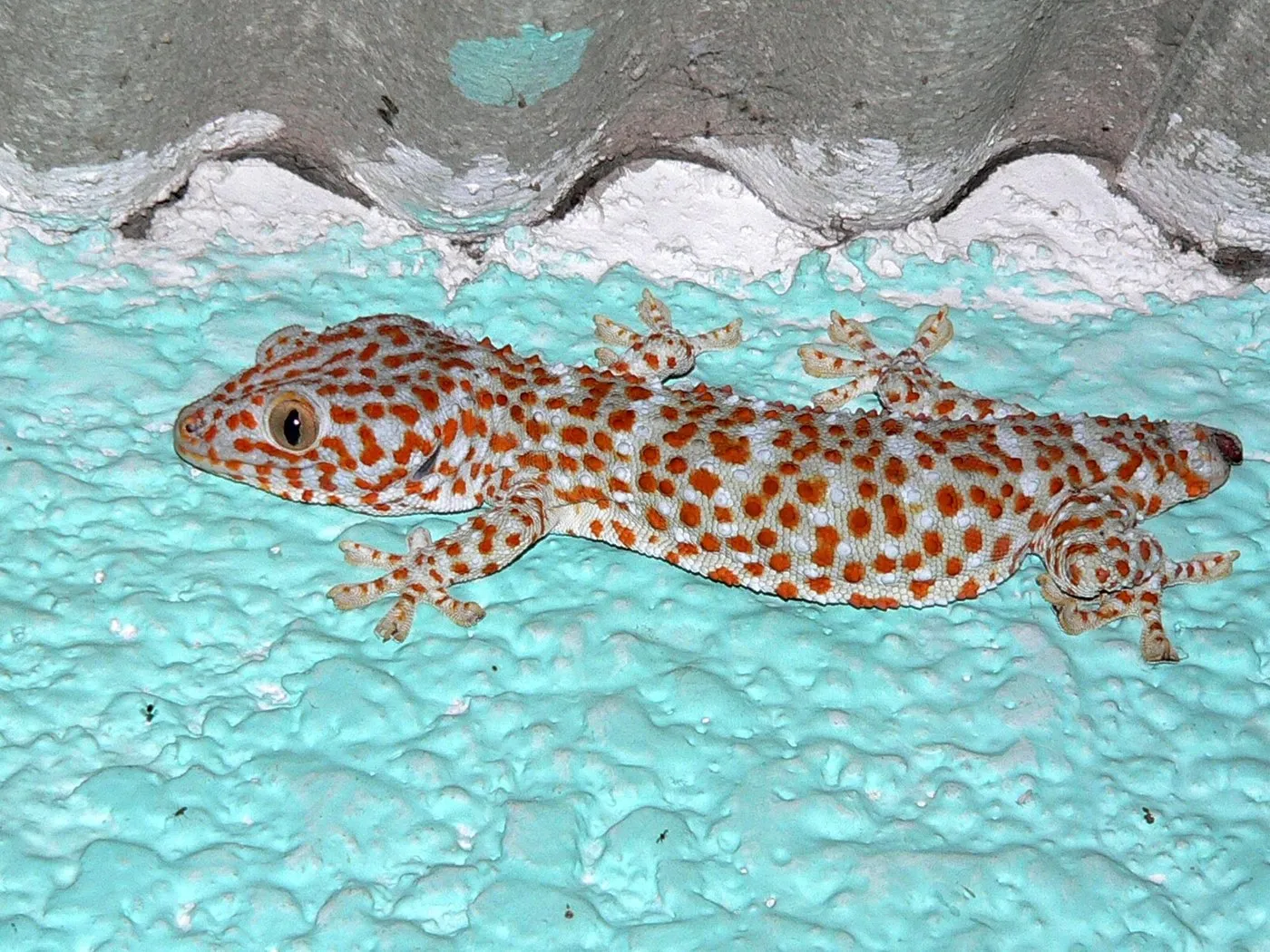 Tokay gecko Gekko gecko Large, colourful and loud: Its call gives it its name. It bites hard and does not let go quickly; a species to watch, not to handle. Intermediate Southeast Asia Species protection applies
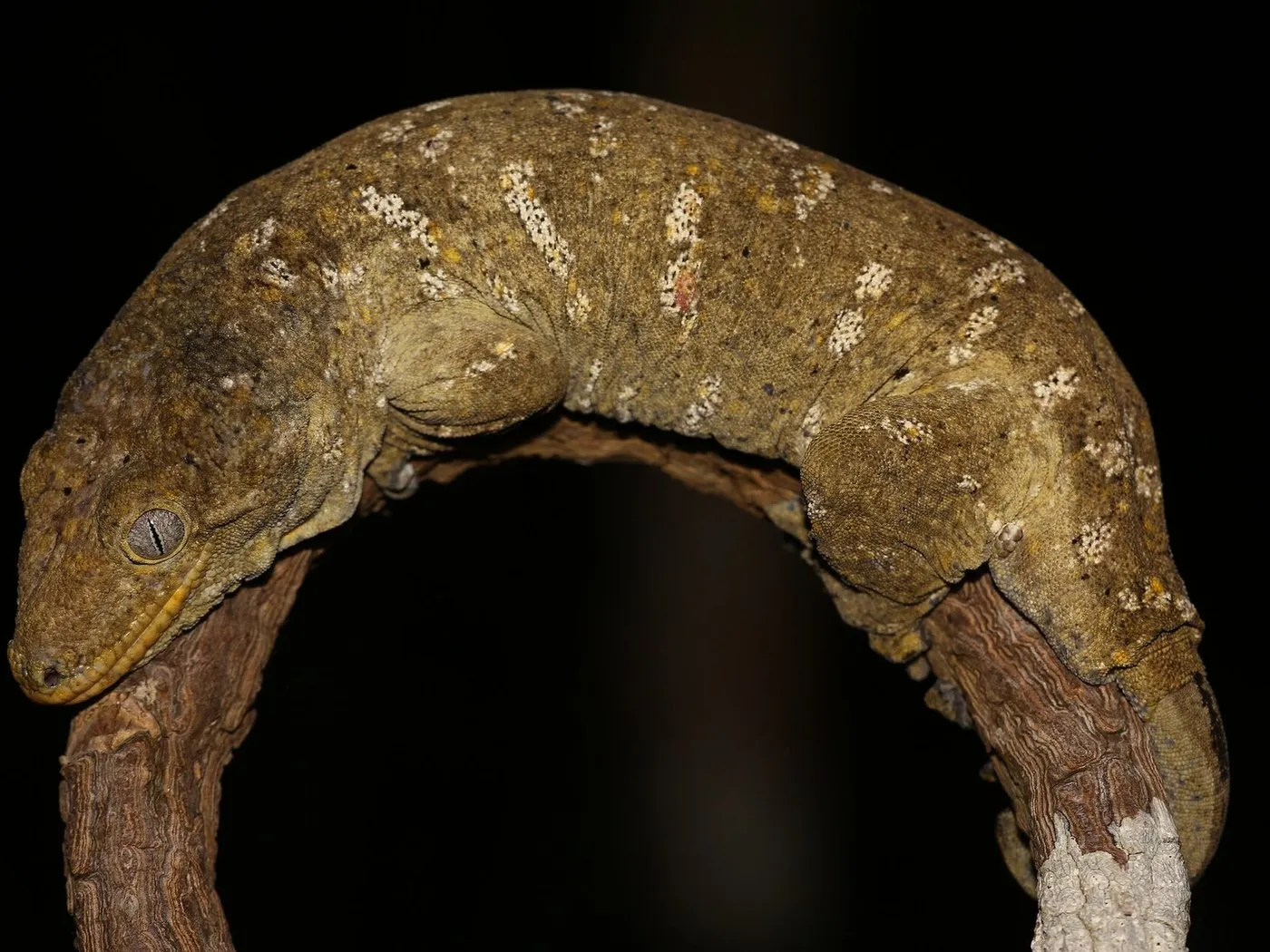 New Caledonian giant gecko Rhacodactylus leachianus The largest gecko in the world, heavy, slow and surprisingly vocal. An animal for decades: Females live over twenty years. Intermediate New Caledonia No permit
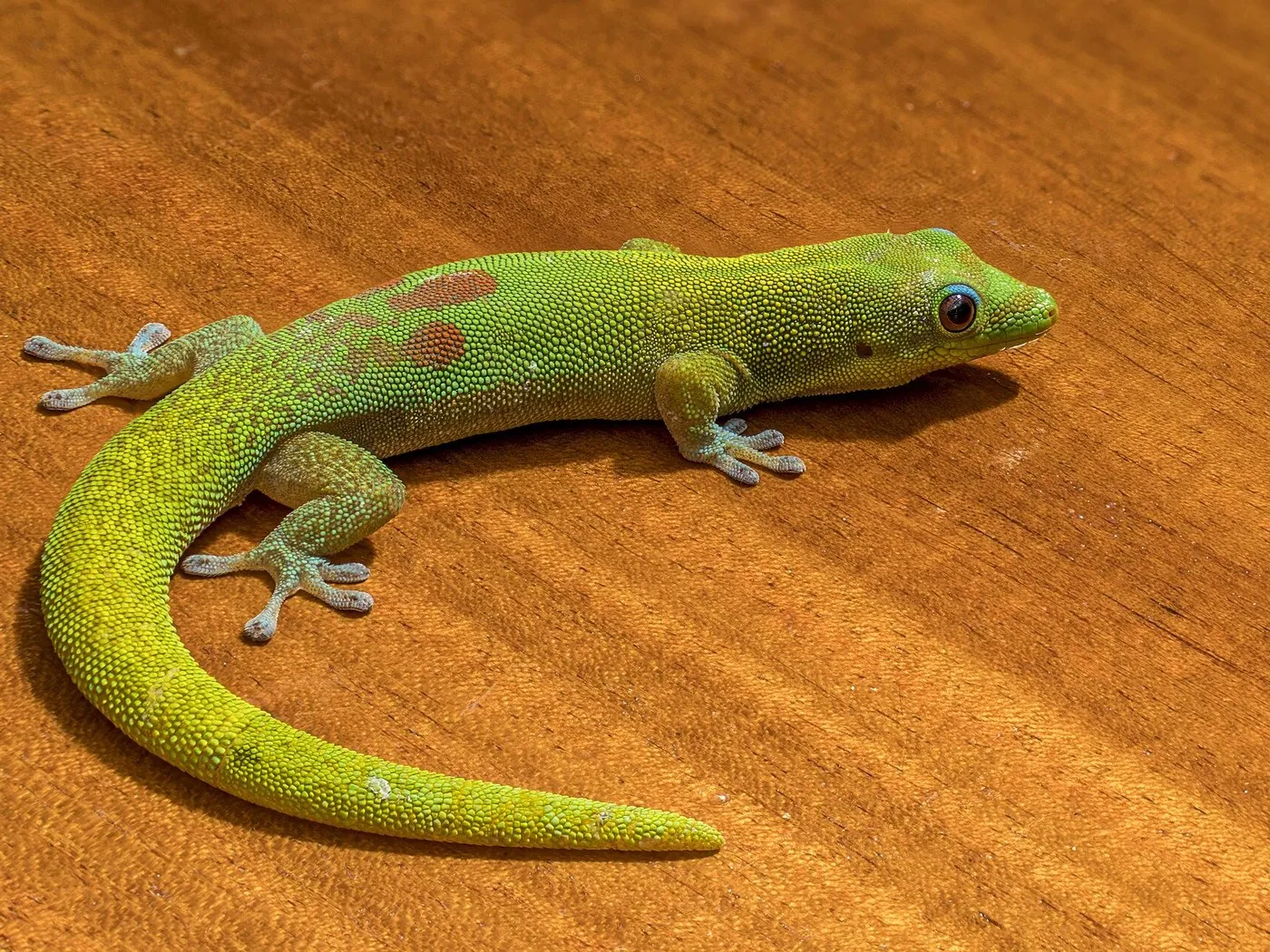 Gold dust day gecko Phelsuma laticauda The most approachable of the day geckos: bright green with golden dusting, active by day and constantly visible in a planted tank. It still cannot be handled: Its skin tears at the slightest grip. Beginner Madagascar Species protection applies
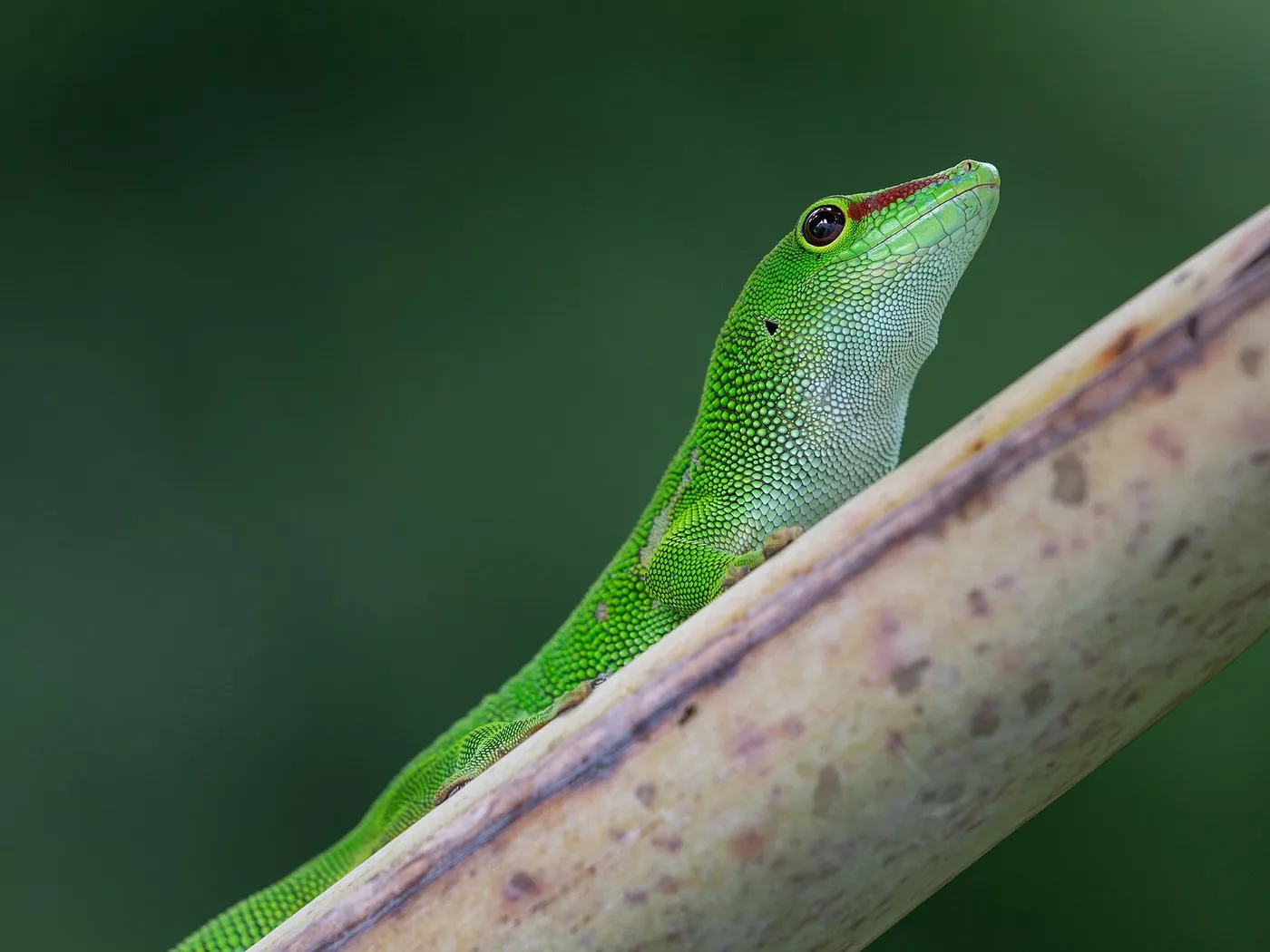 Giant day gecko Phelsuma grandis At up to 30 cm the largest day gecko in the trade and correspondingly powerful. It also eats smaller conspecifics. With this species, cohabitation is not a question of space but of risk. Intermediate Madagascar Species protection applies
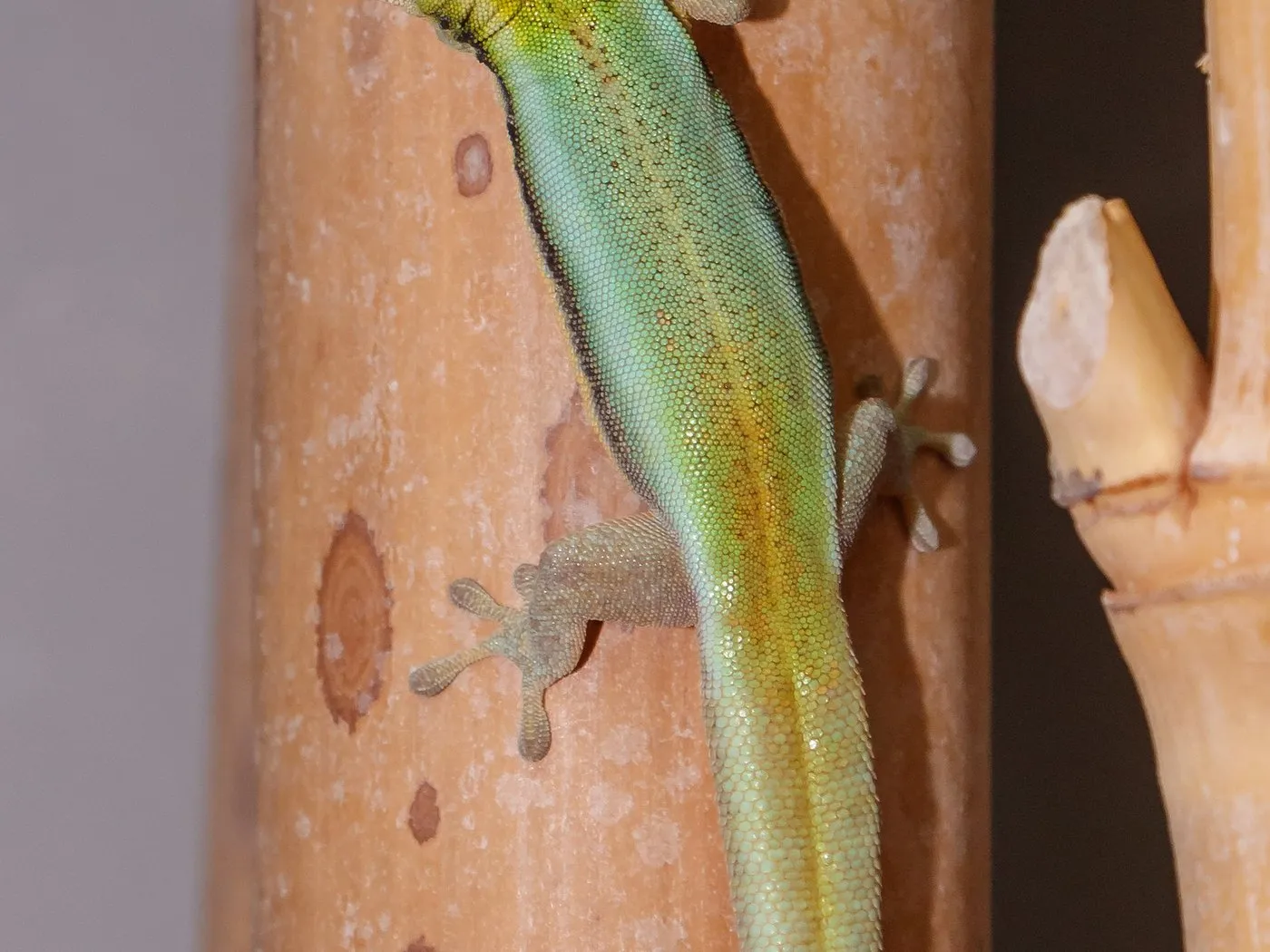 Neon day gecko Phelsuma klemmeri Palm-sized, turquoise with a yellow head and so slender that it fits into bamboo tubes. One of the few Phelsuma that can be kept in small groups. Intermediate Madagascar Species protection applies
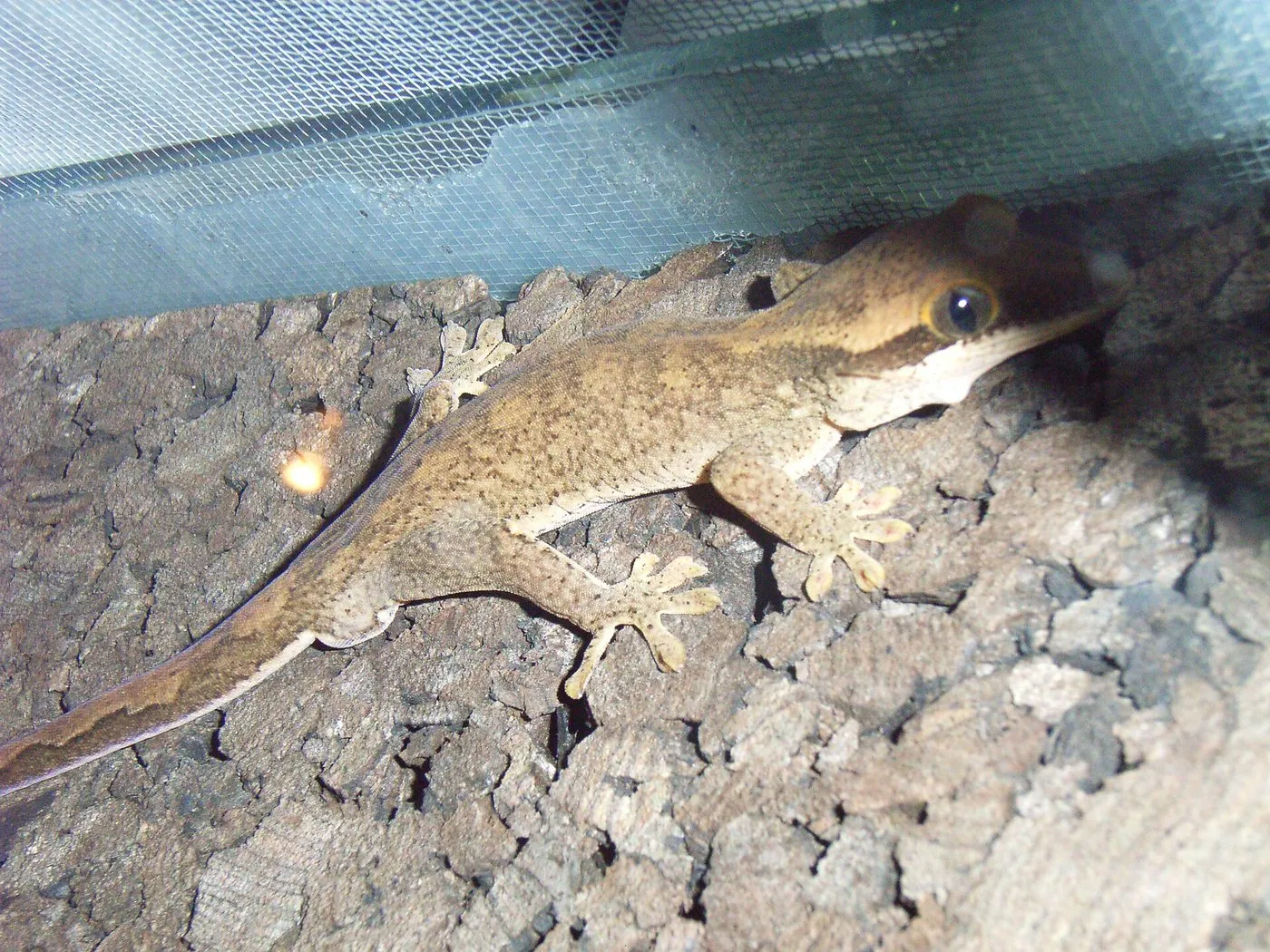 Sarasin's giant gecko Correlophus sarasinorum The lesser-known relative of the crested gecko: larger, sturdier and considerably livelier. It jumps far and is quickly out when the terrarium is opened. It is named after the Basel naturalists Paul and Fritz Sarasin. Intermediate New Caledonia No permit
Chameleons
In Switzerland every chameleon species requires a permit.
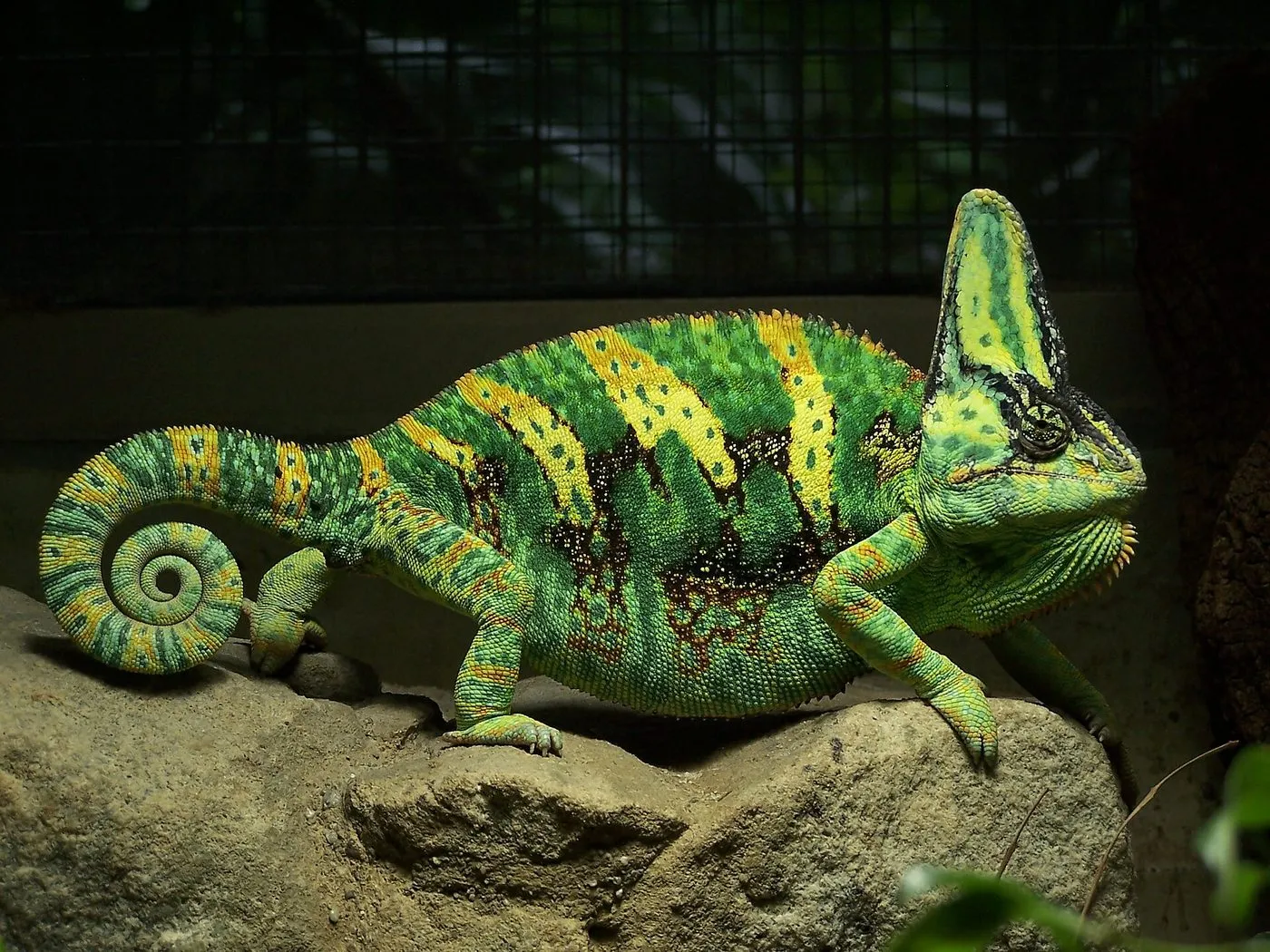 Veiled chameleon Chamaeleo calyptratus Chameleons require a permit in Switzerland. The veiled chameleon is considered the hardiest of them: Which still does not make it easy. Advanced Arabian Peninsula Permit required
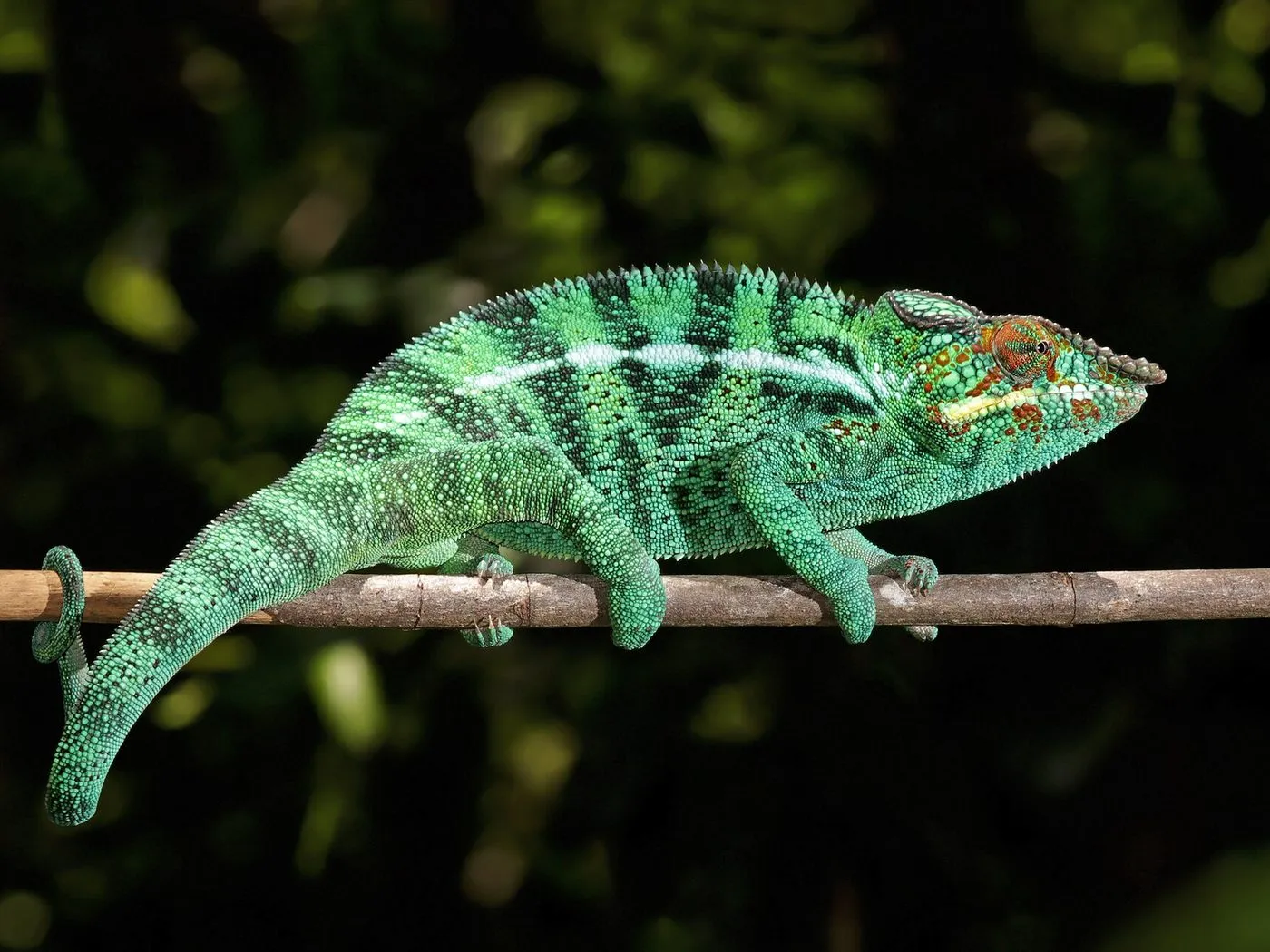 Panther chameleon Furcifer pardalis Vividly coloured and much sought after because of it. Like all chameleons: permit-bound, relevant under species protection law and demanding in its climate. Advanced Madagascar Permit required
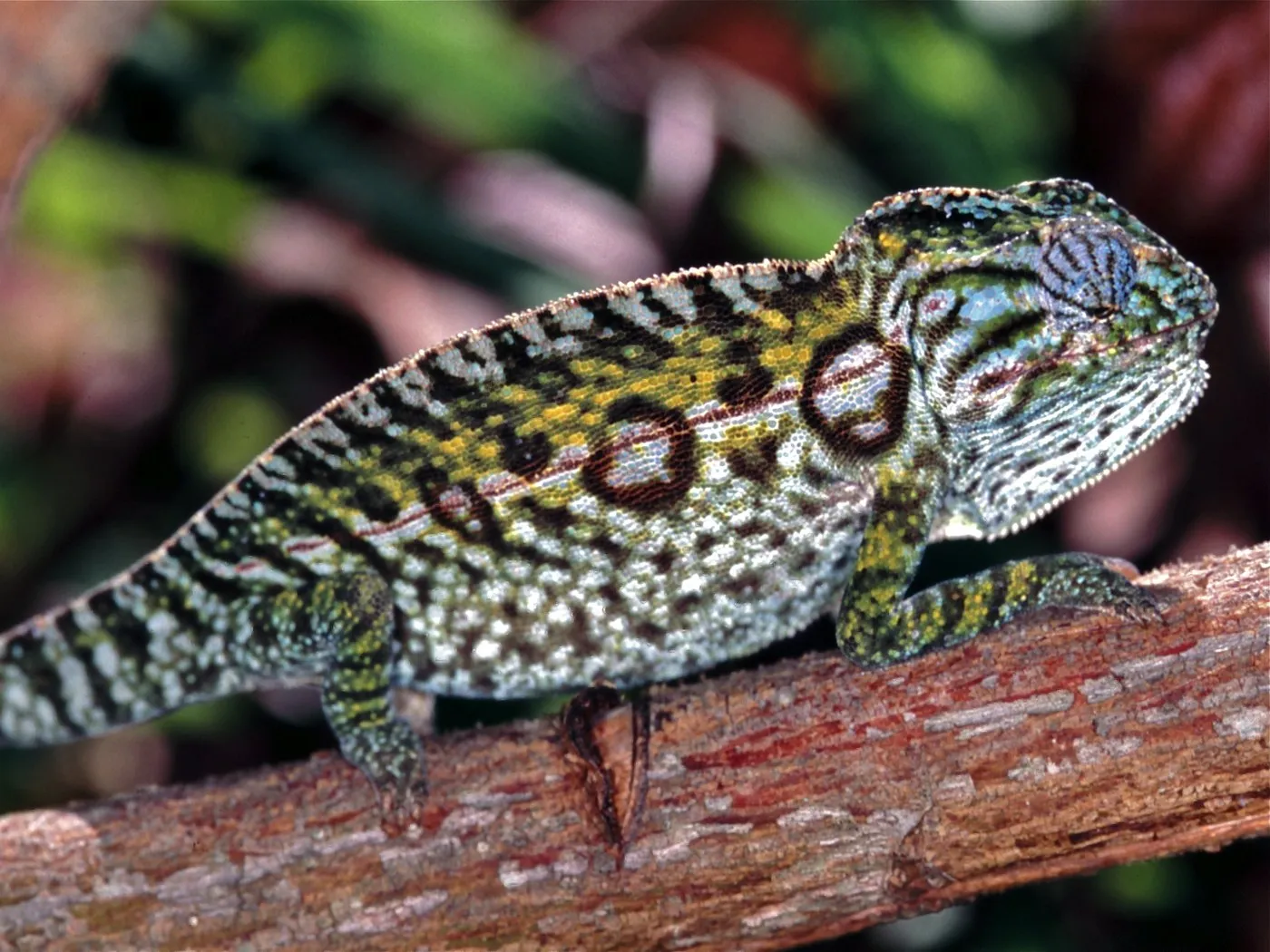 Carpet chameleon Furcifer lateralis Small, colourful and short-lived: Carpet chameleons rarely live beyond three years. Like all chameleons, they require a permit in Switzerland. Advanced Madagascar Permit required
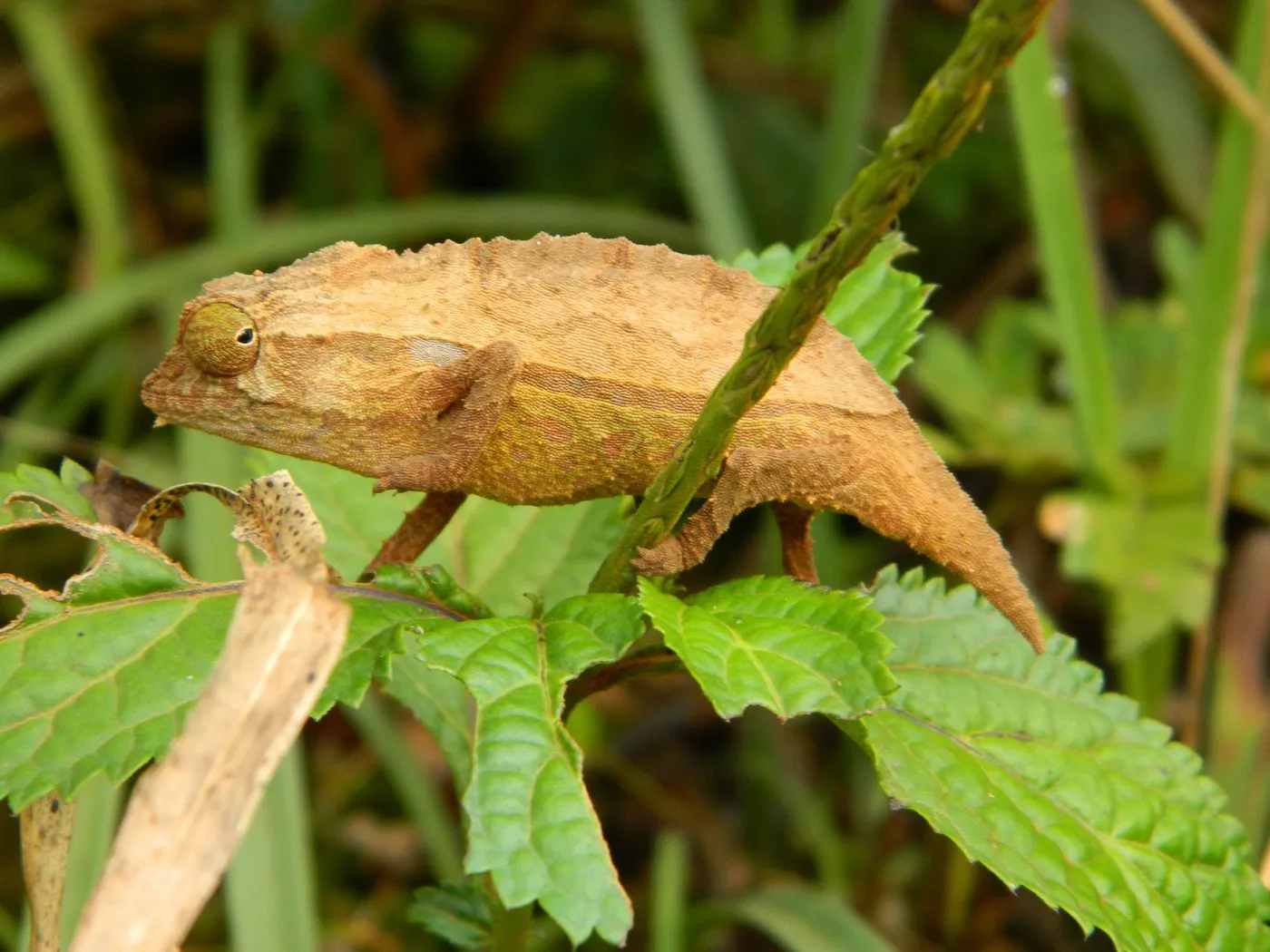 Bearded pygmy chameleon Rieppeleon brevicaudatus A pygmy chameleon from the leaf litter of East African forests: About 8 cm long, brown like a withered leaf and, unlike most chameleons, suited to small groups. Like all chameleons, it requires a permit. Intermediate East Africa Permit required
Tortoises and turtles
Husbandry, origin and legal status from the app.
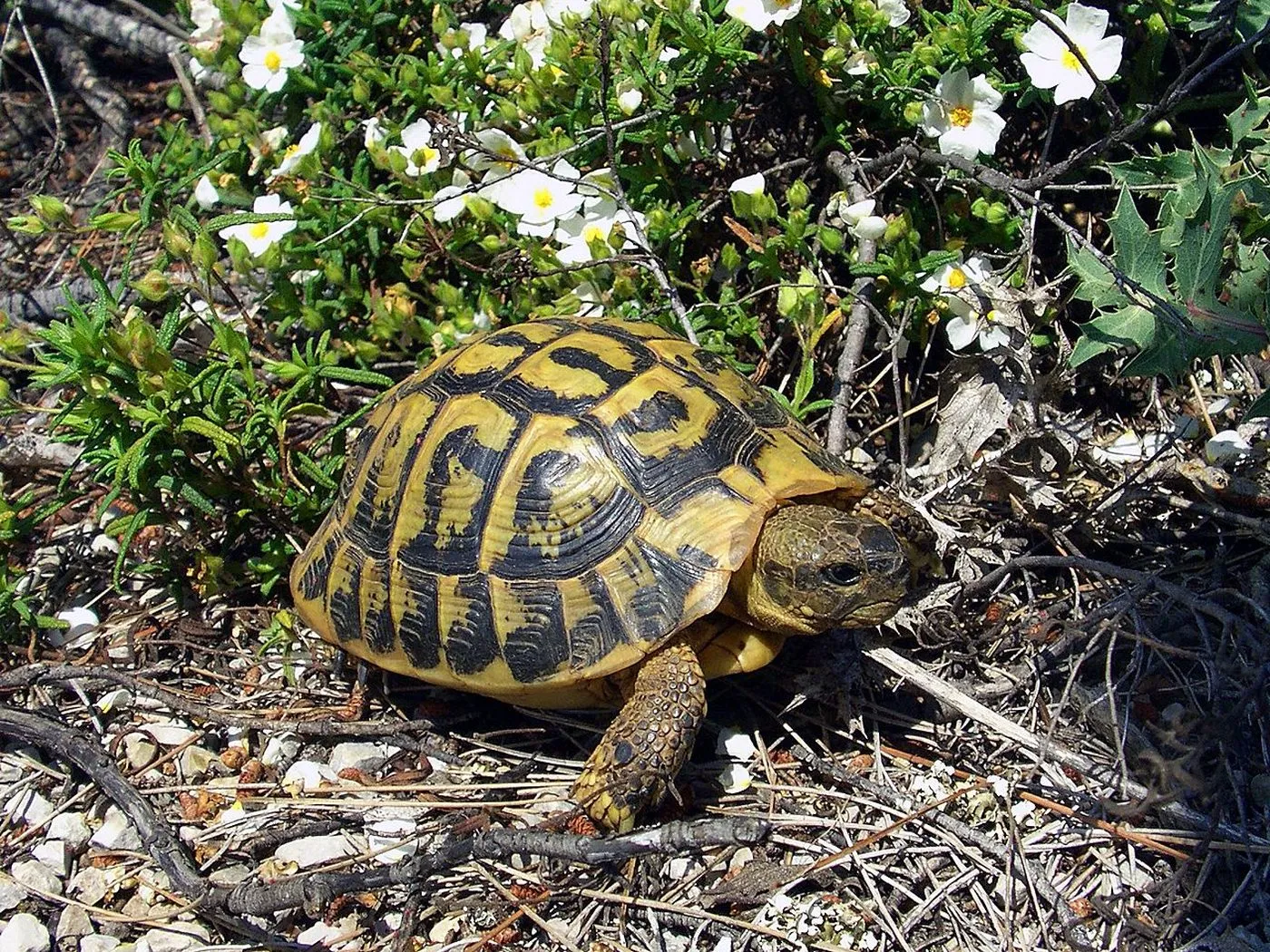 Hermann's tortoise Testudo hermanni A tortoise for outdoors, not the living room: an outdoor enclosure, sunshine and a genuine hibernation are all essential. Intermediate Southern Europe Species protection applies
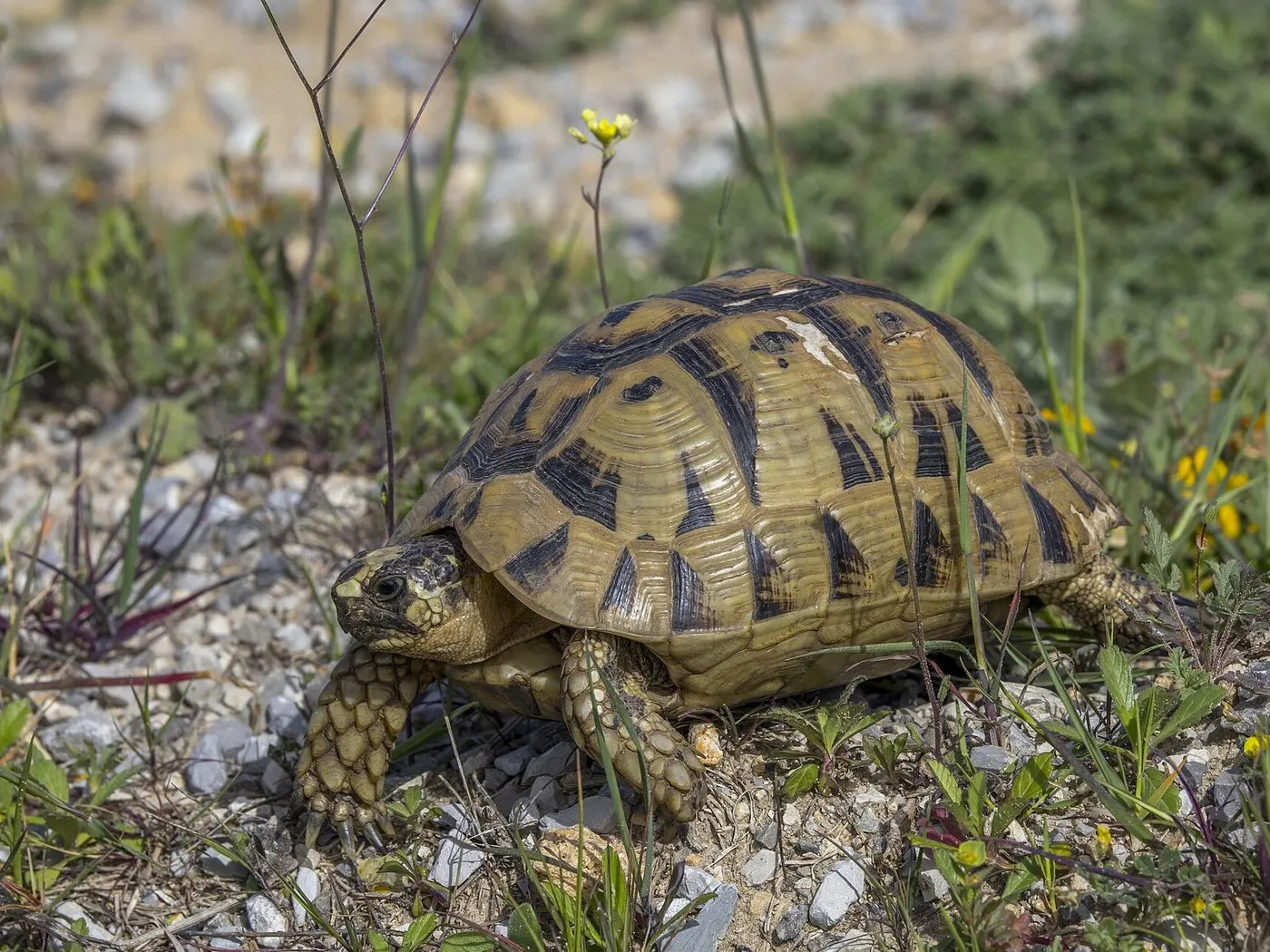 Greek tortoise Testudo graeca Similar to Hermann’s tortoise and just as dependent on an outdoor enclosure, sunshine and hibernation. CITES paperwork is mandatory. Intermediate The Mediterranean, North Africa and western Asia Species protection applies
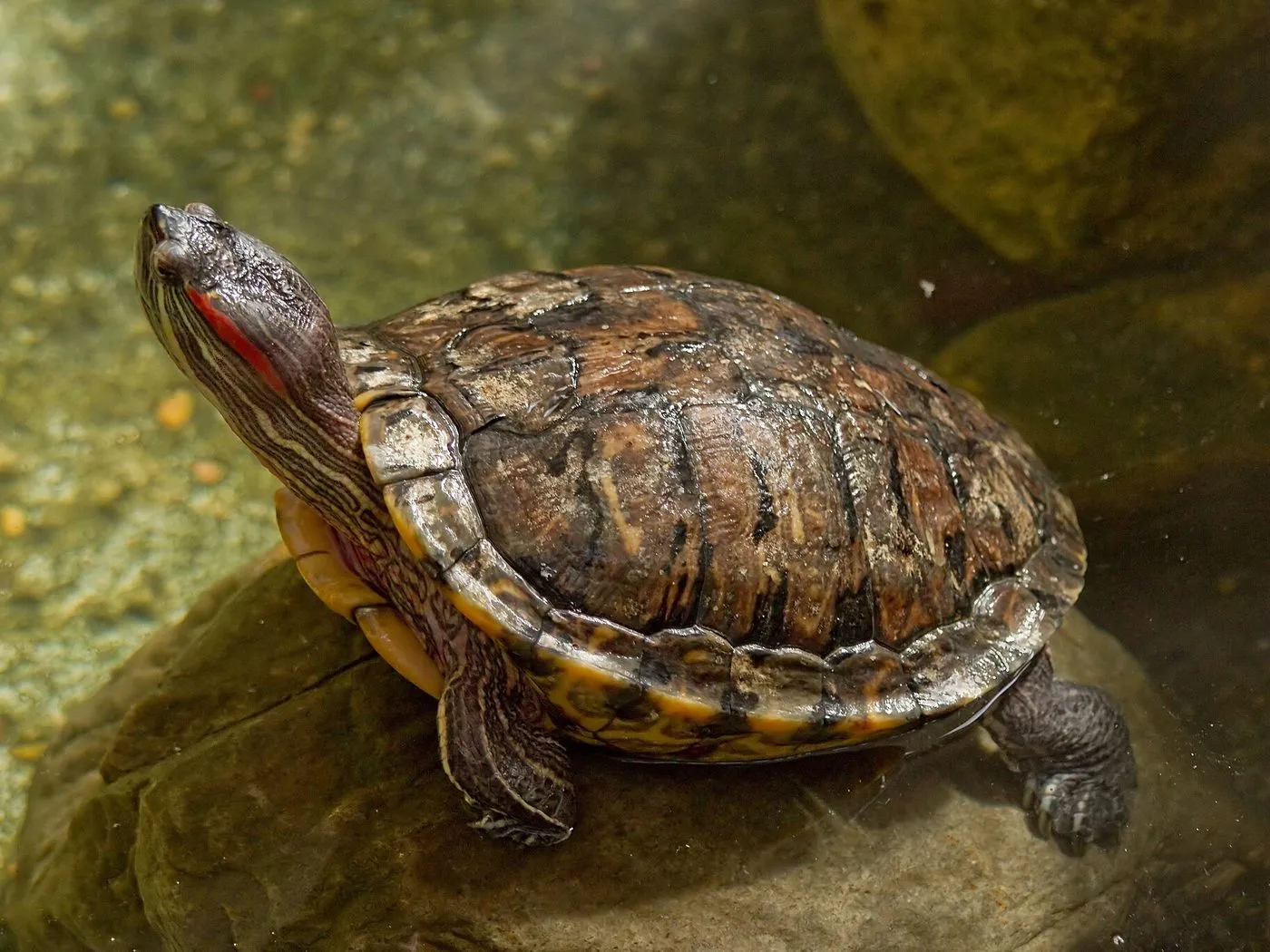 Red-eared slider Trachemys scripta elegans An aquatic turtle with high space and filtration demands that grows large and lives long. In Europe it counts as an invasive species. Releasing it is prohibited and punishable. Intermediate North America Prohibited in Switzerland
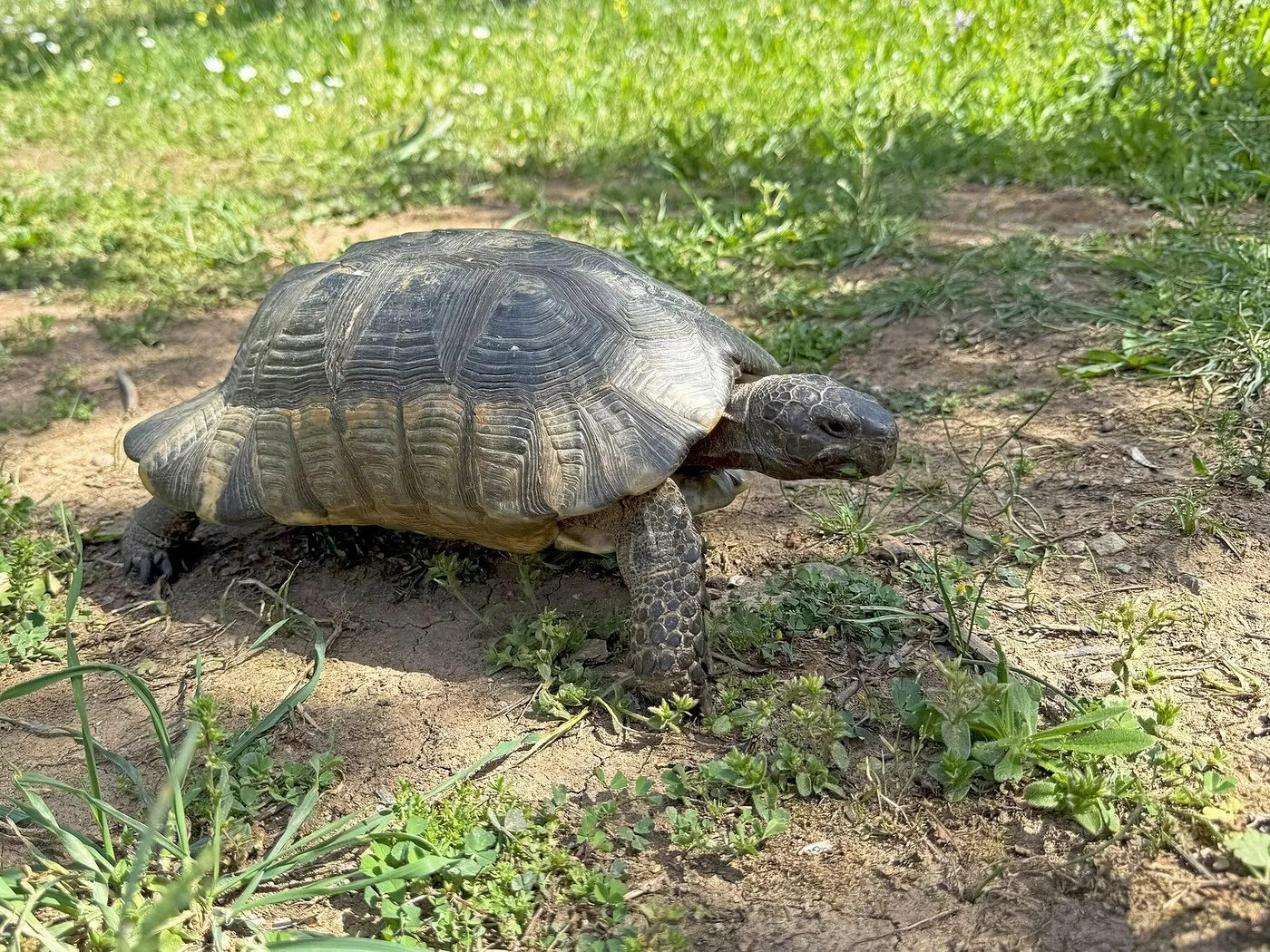 Marginated tortoise Testudo marginata Europe's largest tortoise, with a flared shell rim in old animals. It belongs outdoors for half the year. For this species, indoor keeping is not keeping at all. Intermediate Southern Europe Species protection applies
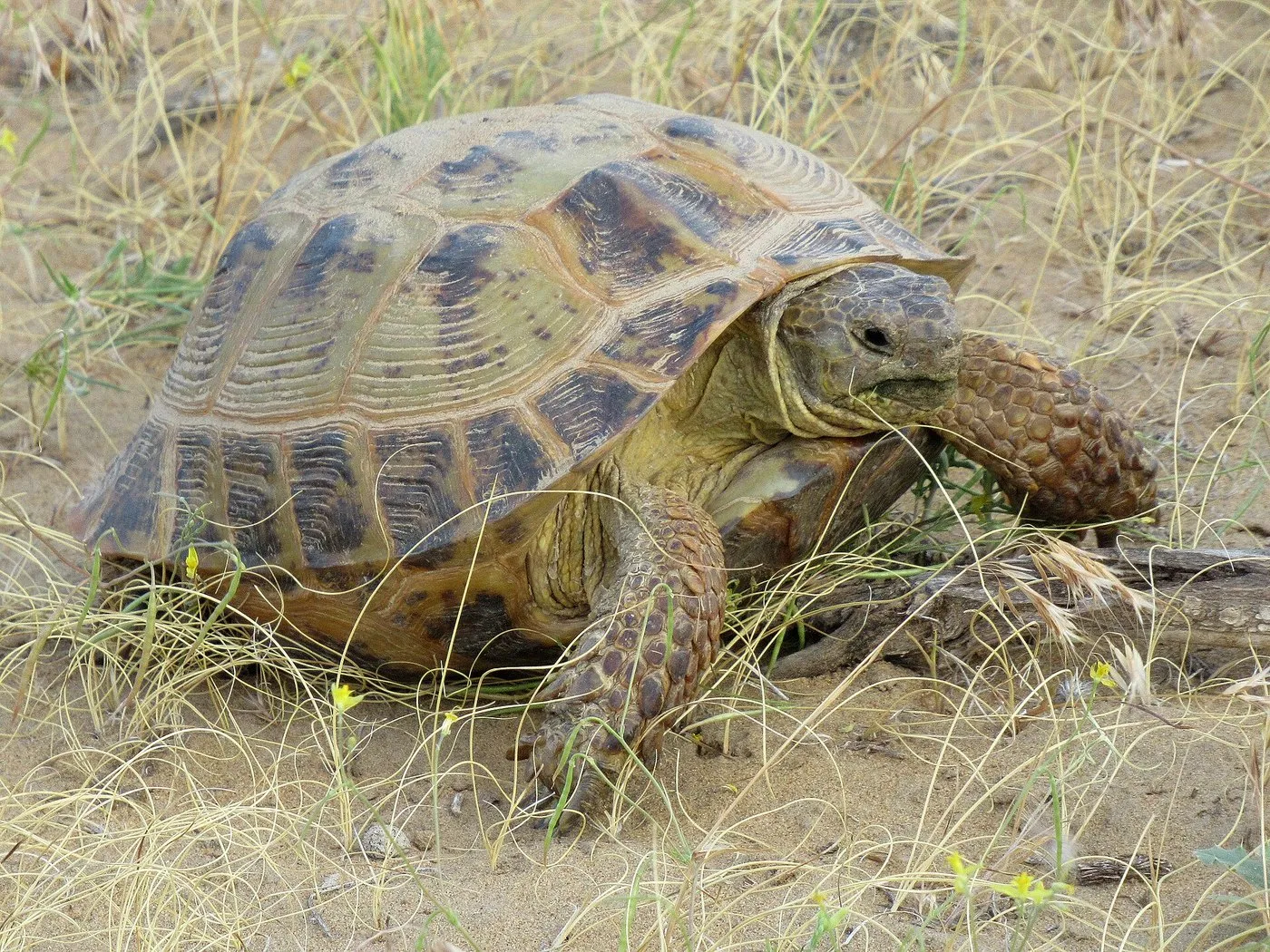 Horsfield's tortoise Testudo horsfieldii Four toes instead of five, from Central Asia rather than the Mediterranean. It digs more than any other tortoise and, in its home range, rests in both winter and summer. Intermediate Central Asia Species protection applies
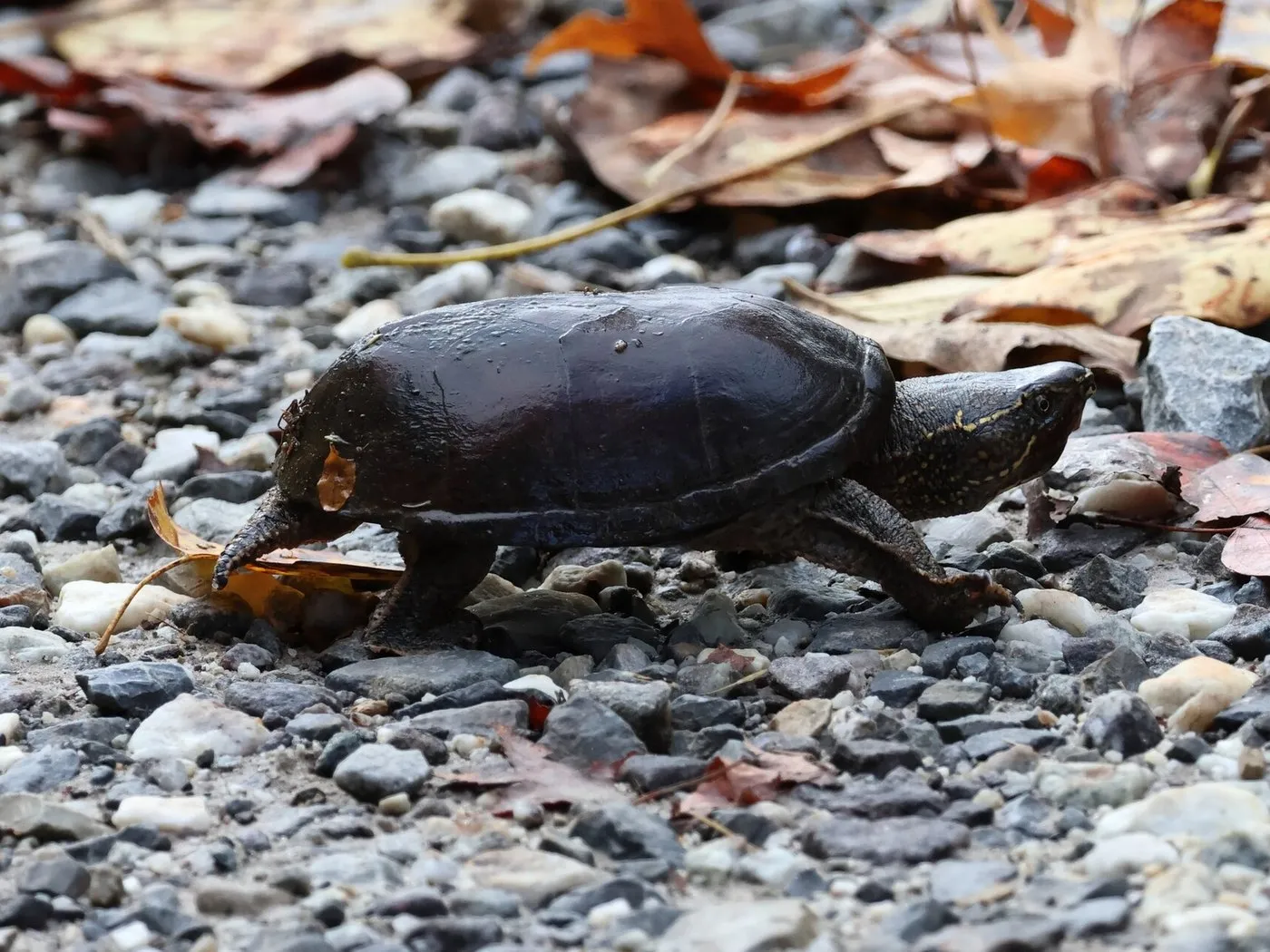 Common musk turtle Sternotherus odoratus A water turtle that stays small: 12 cm instead of 30. It is the only one of the common species that genuinely lives well in an aquarium rather than merely existing there. Beginner North America Species protection applies
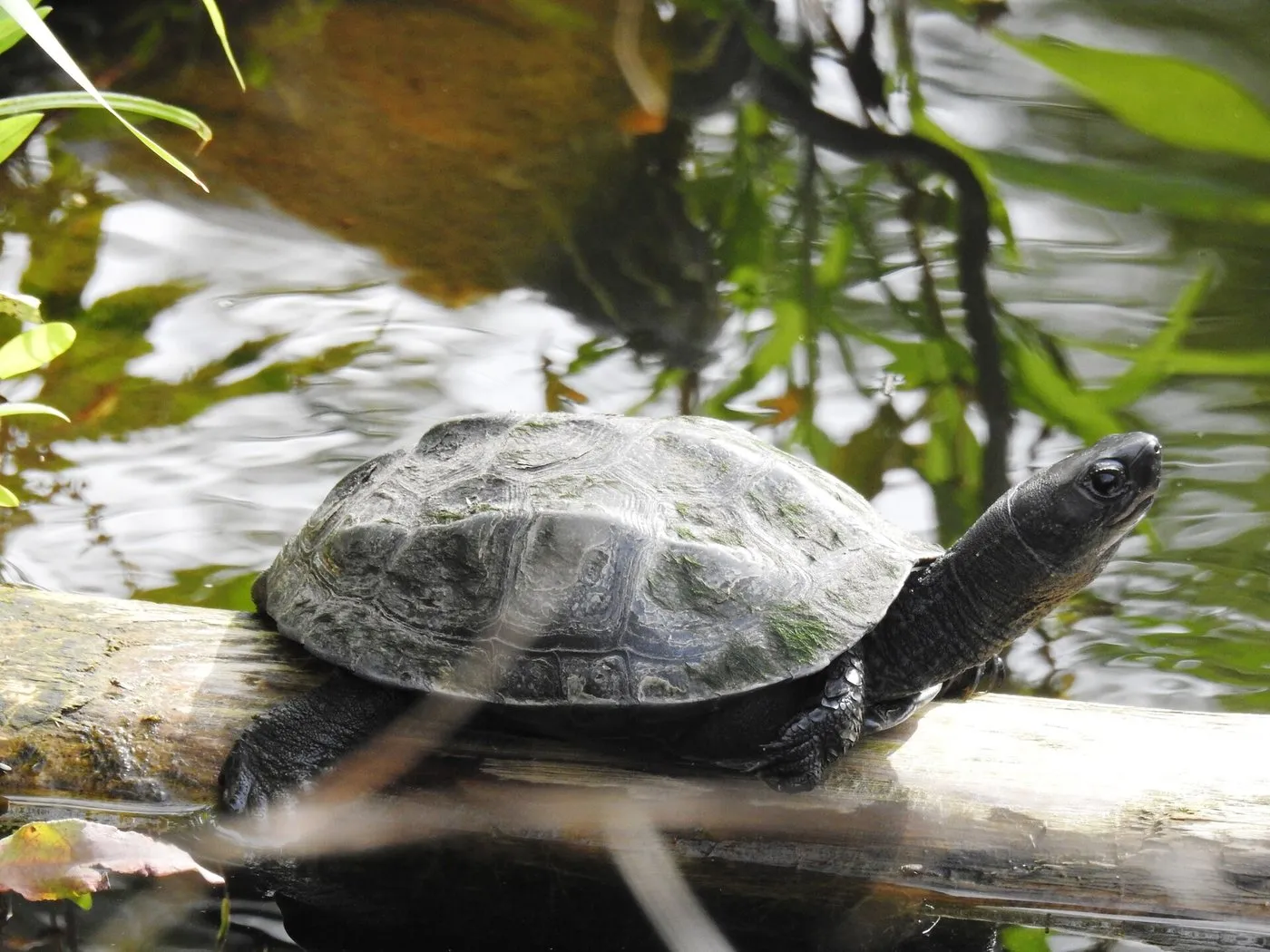 Reeves' turtle Mauremys reevesii A calm, medium-sized water turtle, severely threatened in its home range. Captive-bred animals are widespread and far more acceptable than the banned red-eared slider. Intermediate East Asia Species protection applies
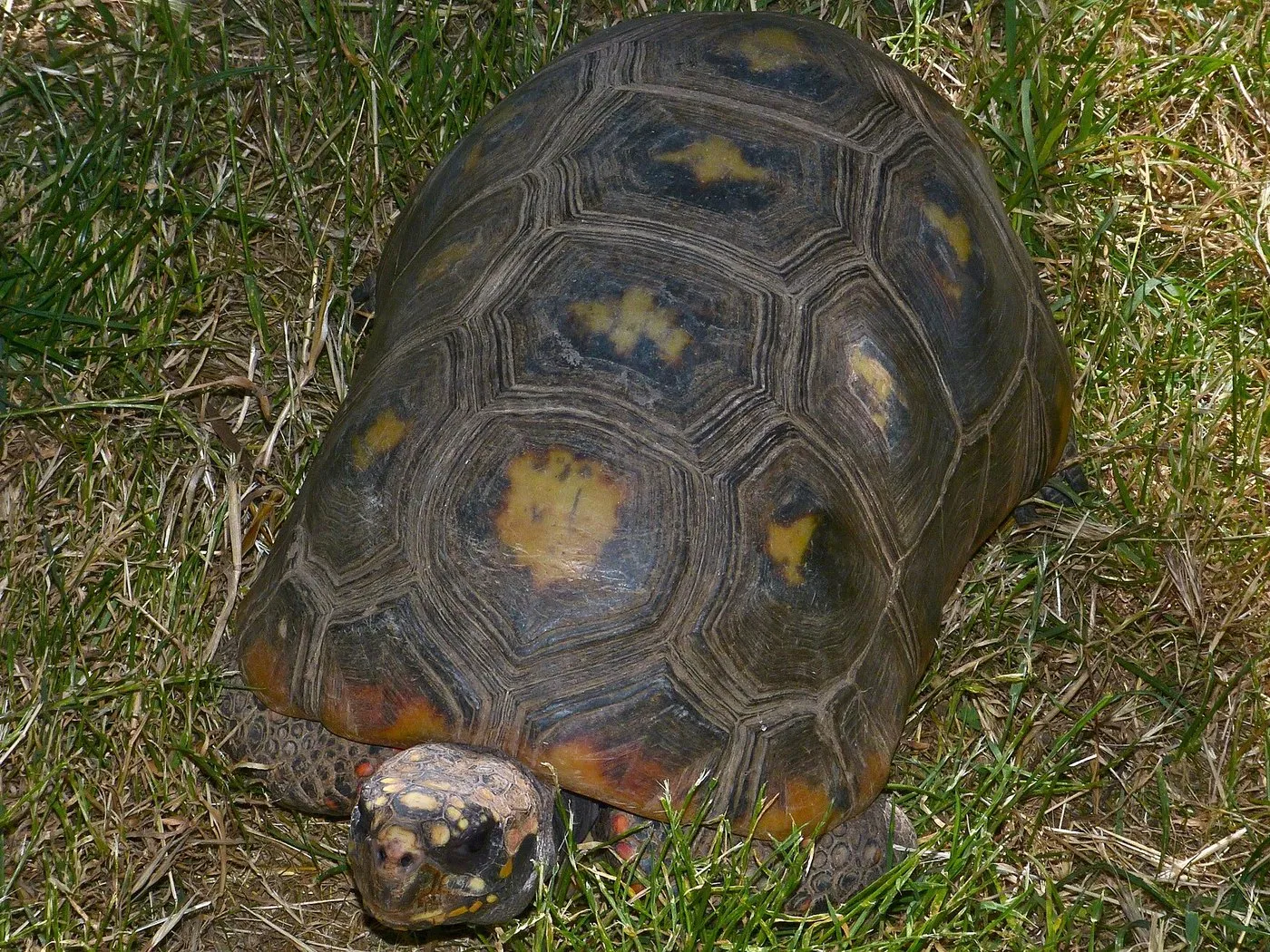 Red-footed tortoise Chelonoidis carbonarius The most common tropical tortoise in the trade and kept quite differently from the European species: warm and humid all year, without hibernation. Intermediate South America Species protection applies
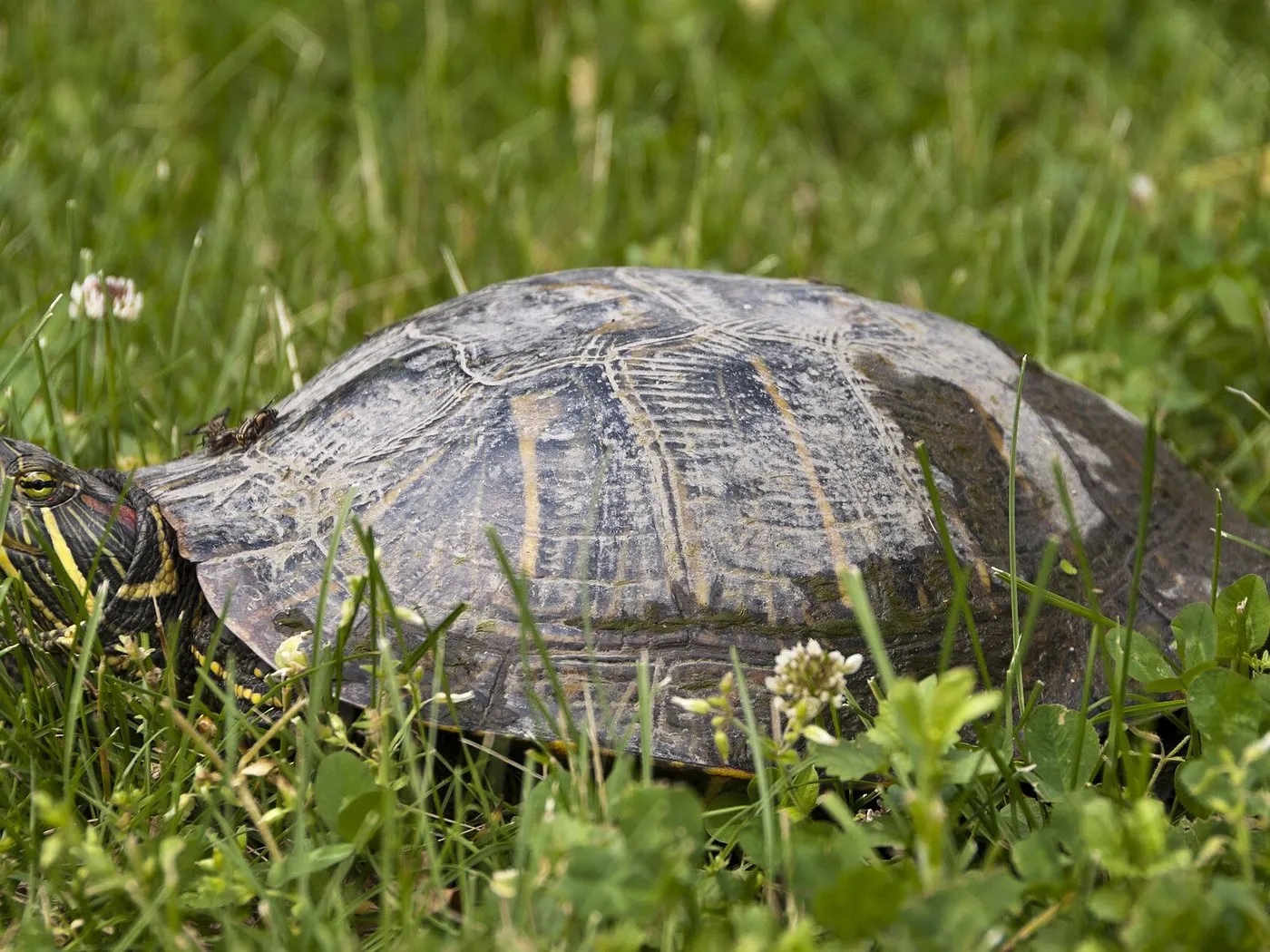 Painted turtle Chrysemys picta The legal alternative to the banned red-eared slider: similar size, similar care, but no prohibition. It too never belongs in an open body of water. Intermediate North America No permit
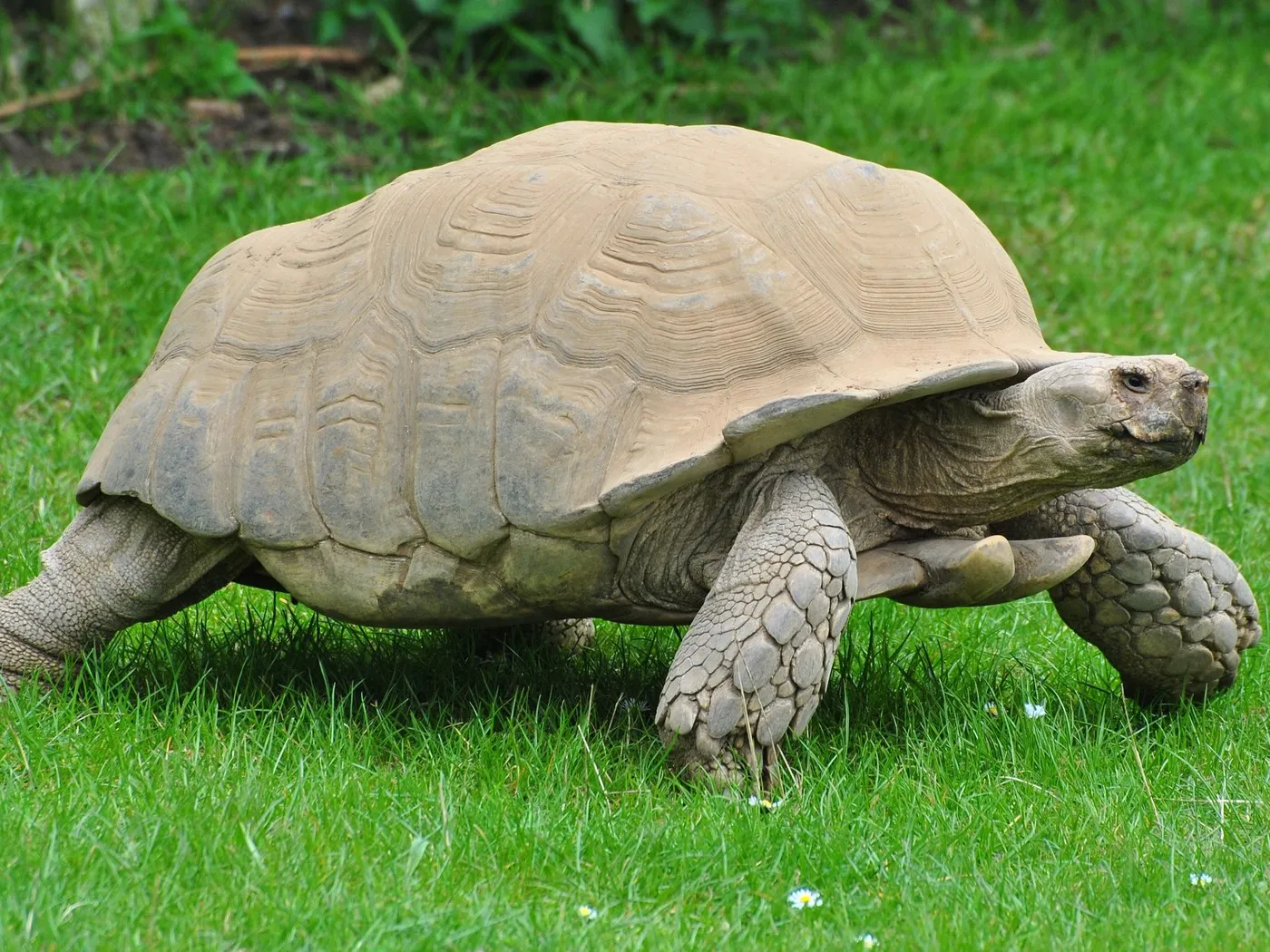 African spurred tortoise Centrochelys sulcata The third-largest tortoise in the world: A 5 cm hatchling becomes an animal with a 60 to 80 cm carapace that lives for decades and needs warmth all year round. Requires a permit in Switzerland. Advanced Africa Permit required
Amphibians
Not reptiles, but covered by the app.
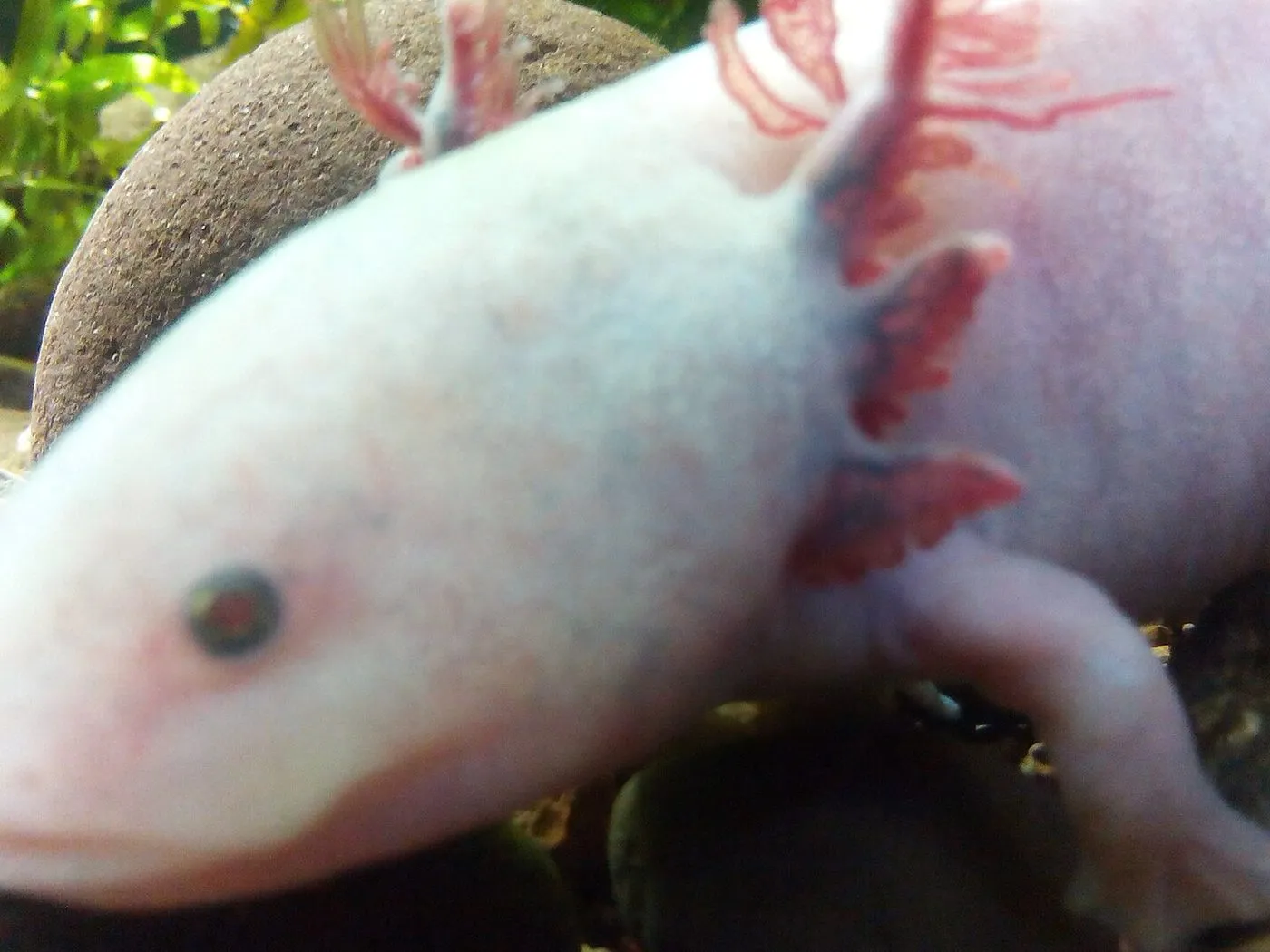 Axolotl Ambystoma mexicanum A salamander that remains permanently in its larval stage. It lives in a cool aquarium. Warmth is not pleasant for it but harmful. Beginner Mexico Species protection applies
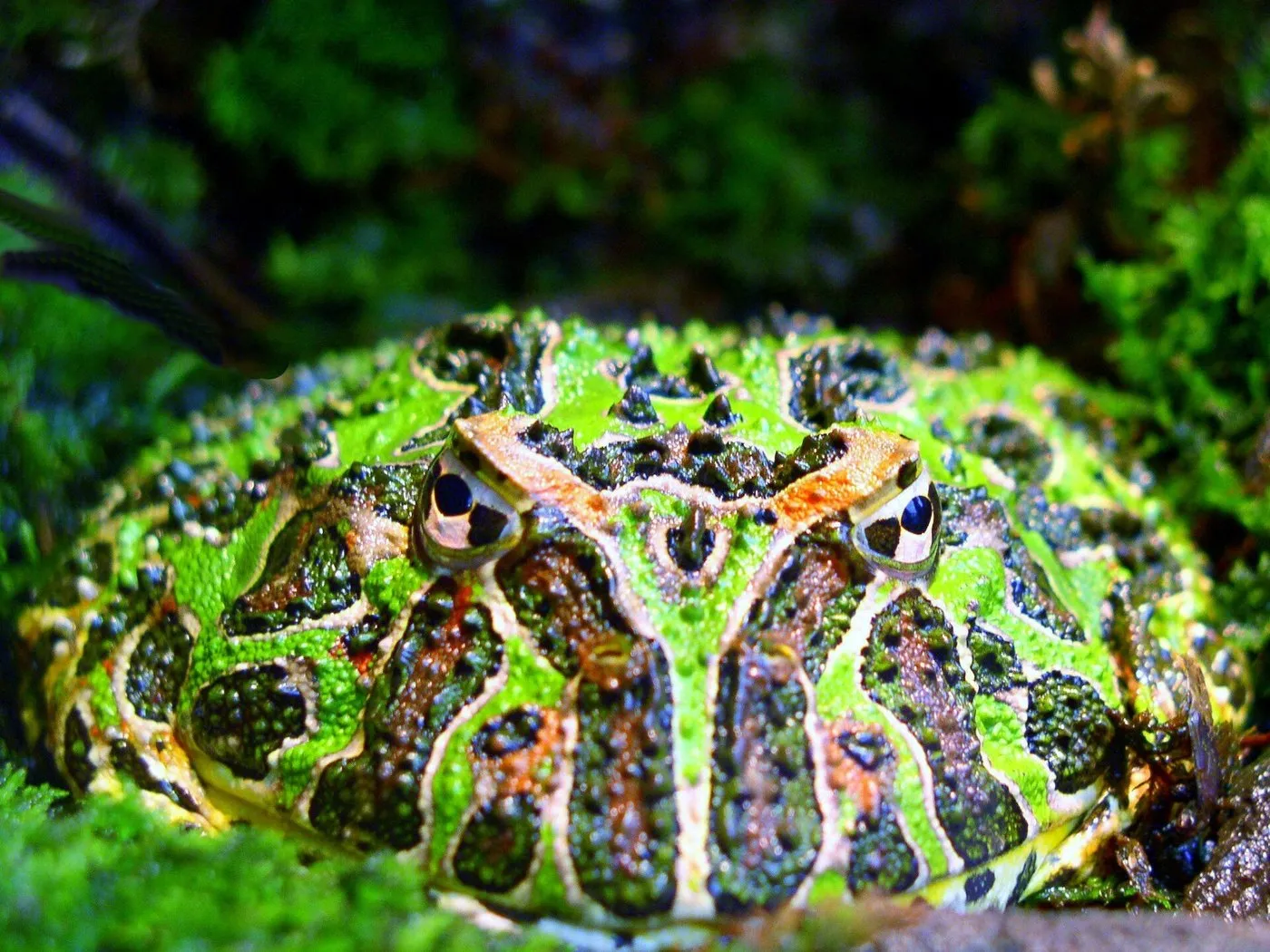 Ornate horned frog Ceratophrys ornata A frog that is almost all mouth and ambushes prey from a buried position. It barely moves: Which makes it easy to keep and equally easy to overfeed. Beginner South America No permit
- Cranwell's horned frog Ceratophrys cranwelli The horned frog species most commonly offered in the trade, also known as the Chacoan horned frog. It lies in wait, buried, and snaps at anything that fits into its mouth: The greatest risk in captivity is overfeeding. Beginner South America No permit
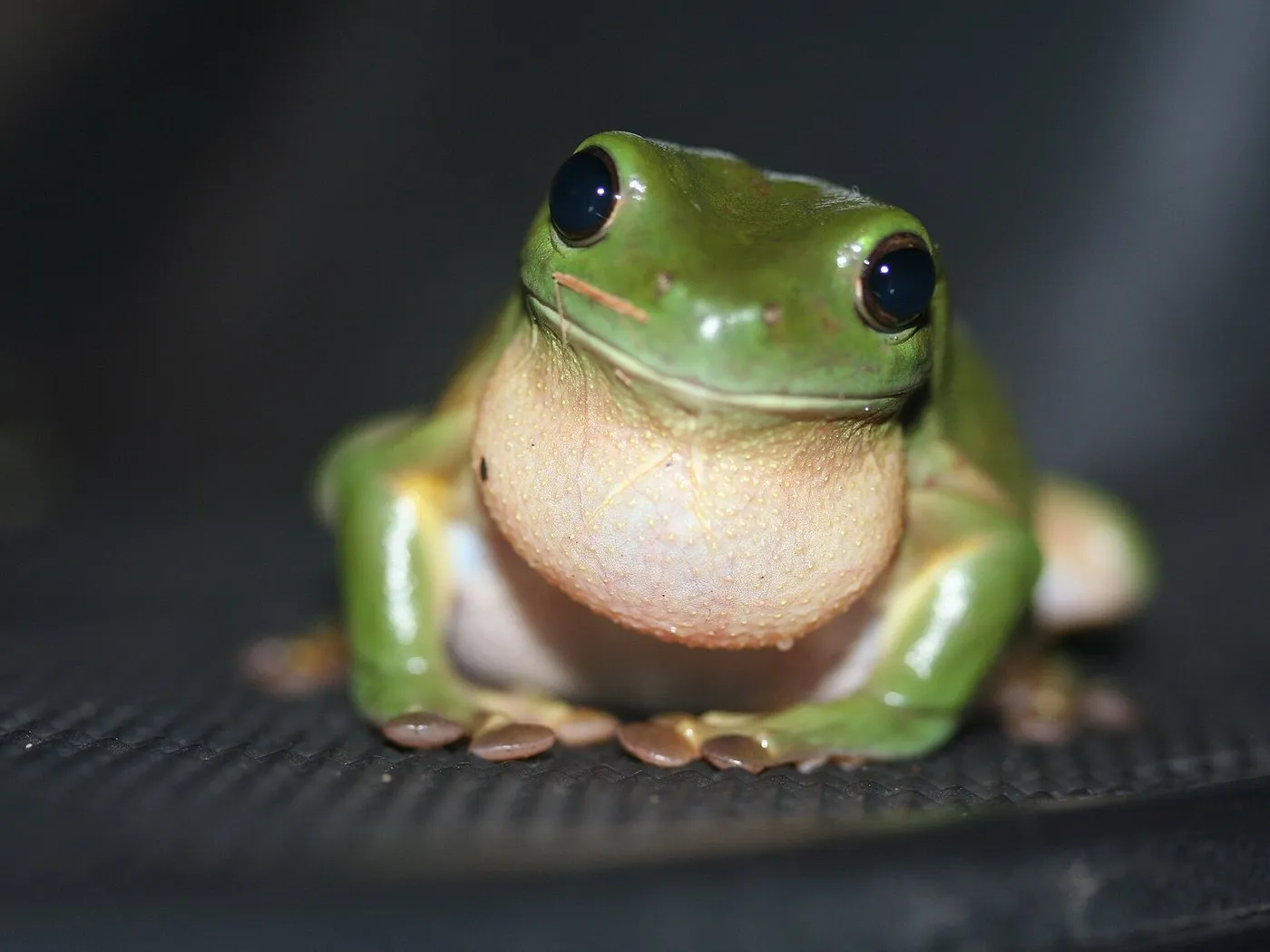 White's tree frog Litoria caerulea A large, calm tree frog with a permanently friendly expression. It lives up to twenty years and readily grows fat in captivity. Beginner Australia No permit
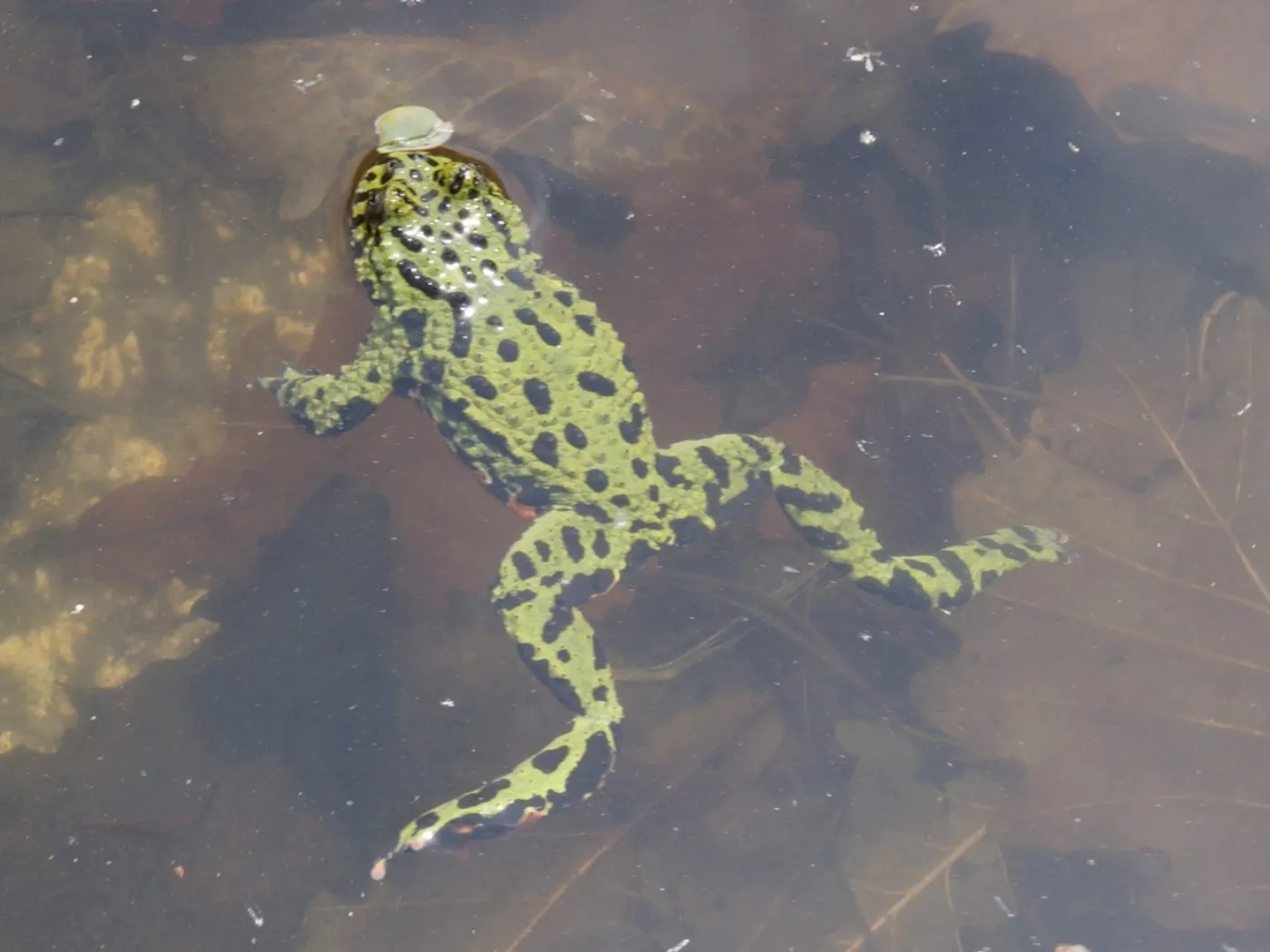 Oriental fire-bellied toad Bombina orientalis Small, active by day and kept in groups. One of the few amphibians where there is actually something to see in the tank. When threatened it shows its bright red belly. Beginner East Asia No permit
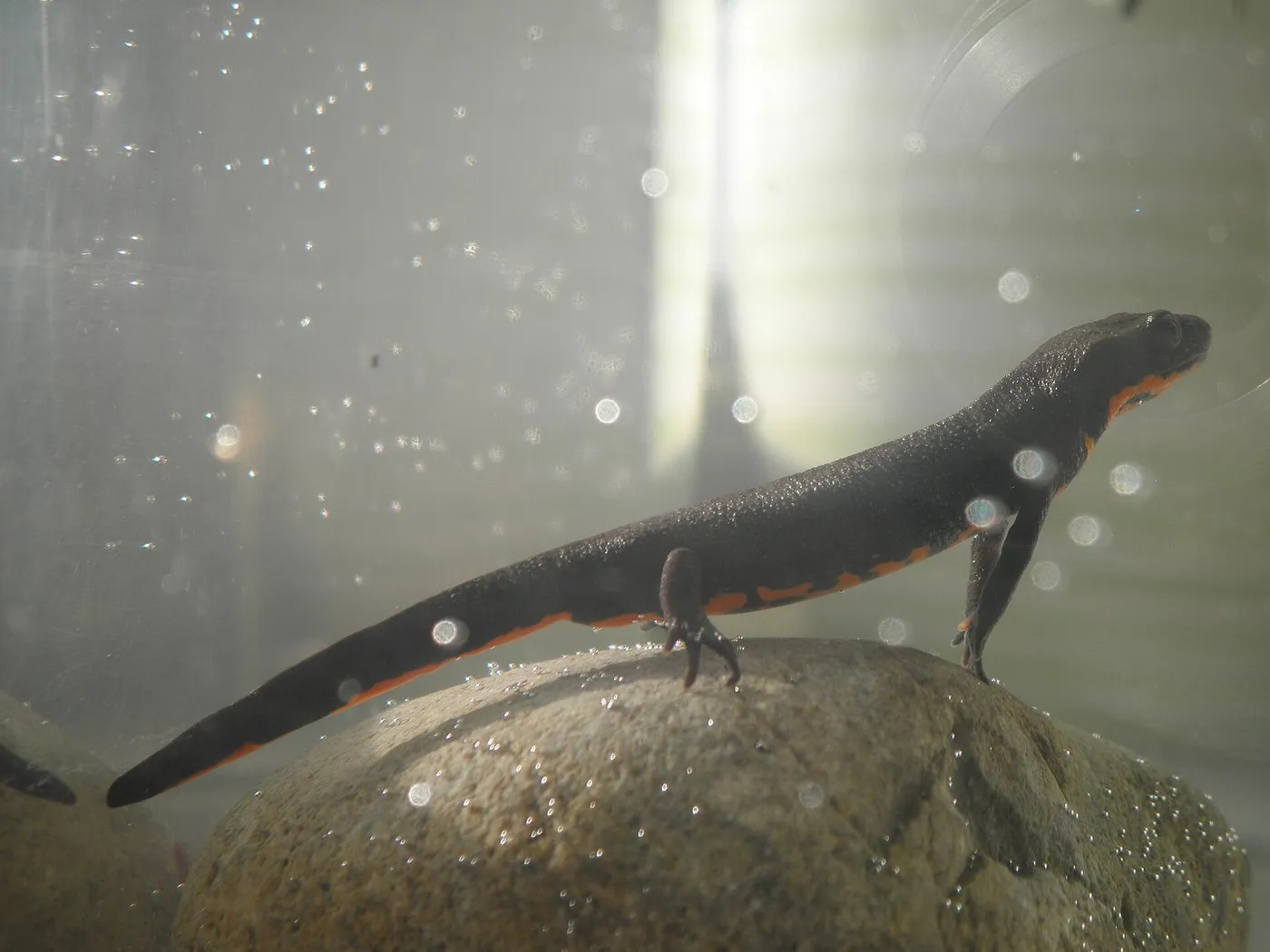 Chinese fire-bellied newt Cynops orientalis A small aquatic newt kept cool: In summer the room temperature is the problem, not the heating in winter. Beginner East Asia No permit
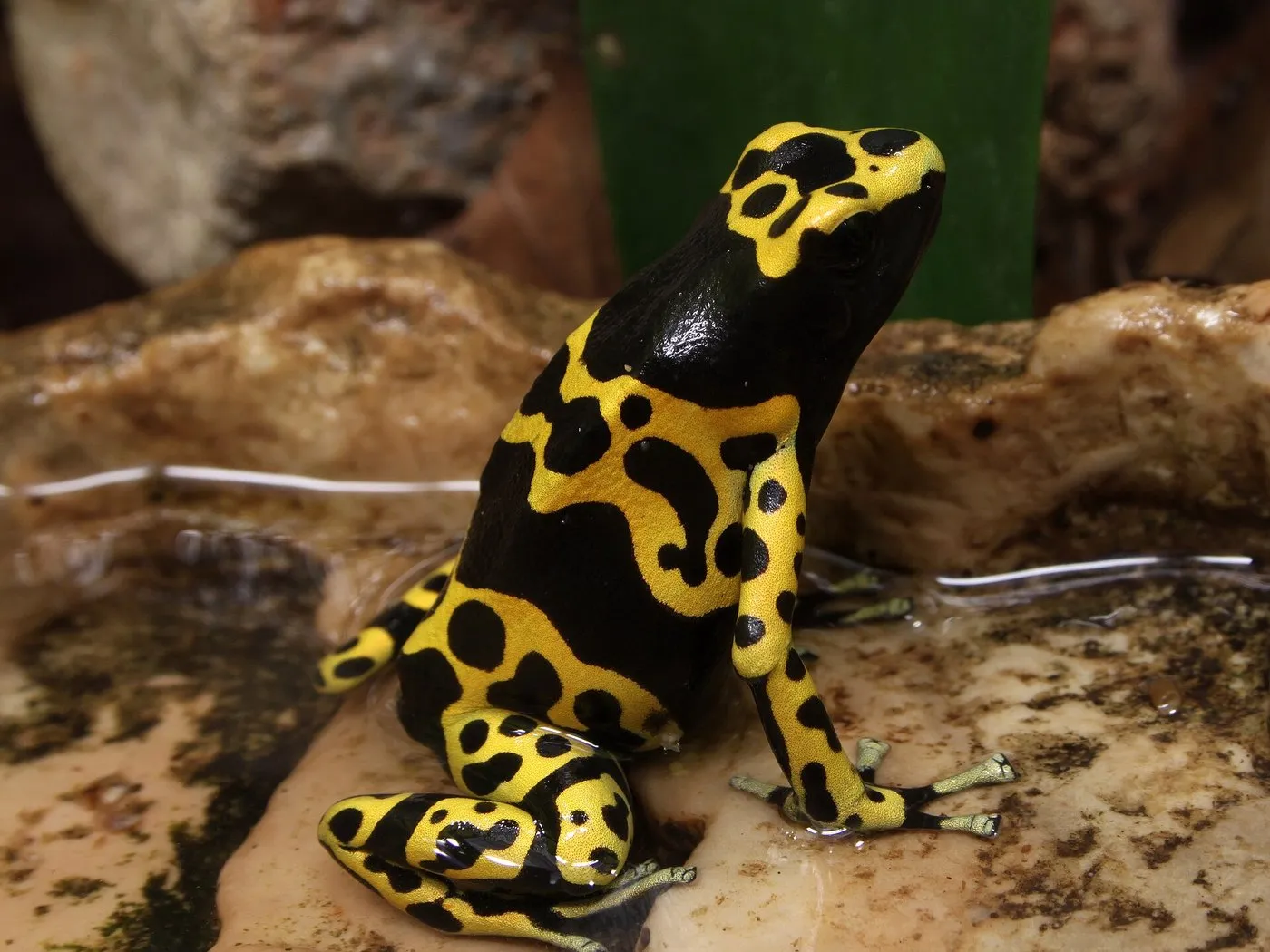 Yellow-banded poison dart frog Dendrobates leucomelas Black and yellow, loud-calling and active by day: The way into poison frogs. Captive-bred animals are not toxic: the poison comes from the diet of wild animals and never forms in a terrarium. Beginner South America Species protection applies
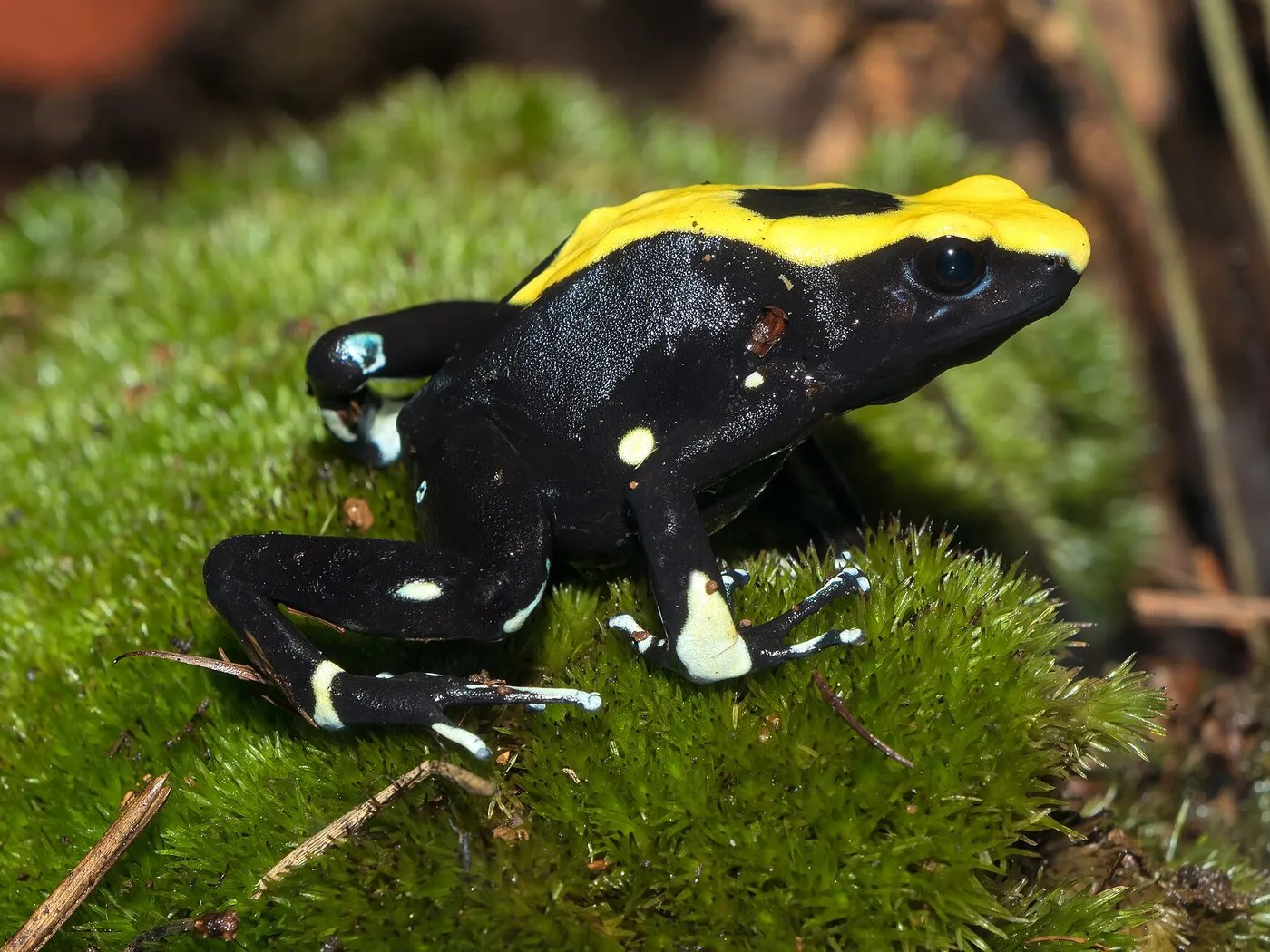 Dyeing poison dart frog Dendrobates tinctorius One of the largest poison frogs and sold in countless colour forms, including the bright blue “azureus”. Sturdier and less delicate than the small species. Beginner South America Species protection applies
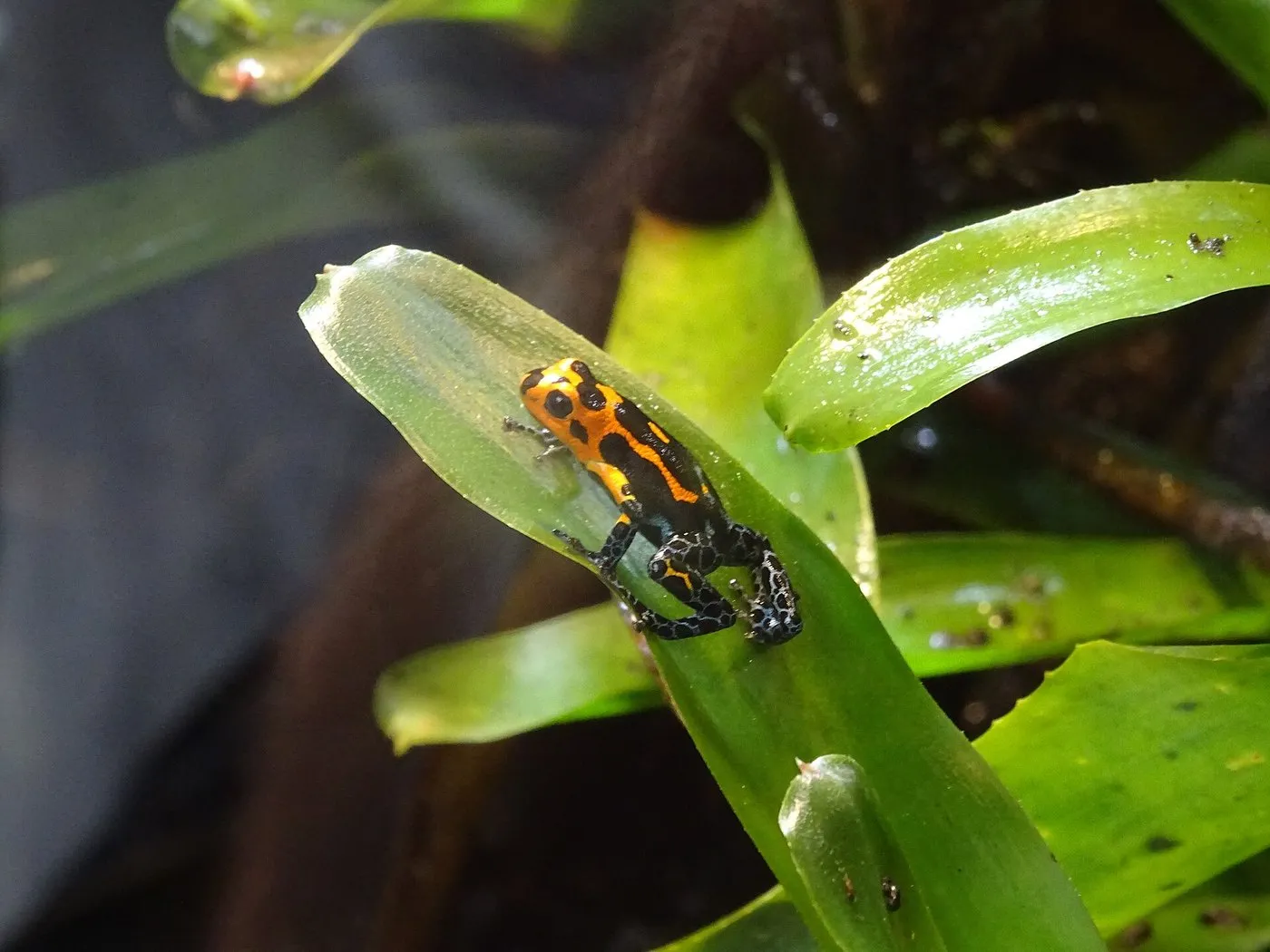 Mimic poison dart frog Ranitomeya imitator Barely two centimetres, and the first amphibian species in which monogamous pairs were demonstrated genetically. Both parents care for the brood; the female feeds the tadpoles with unfertilised eggs. Intermediate South America Species protection applies
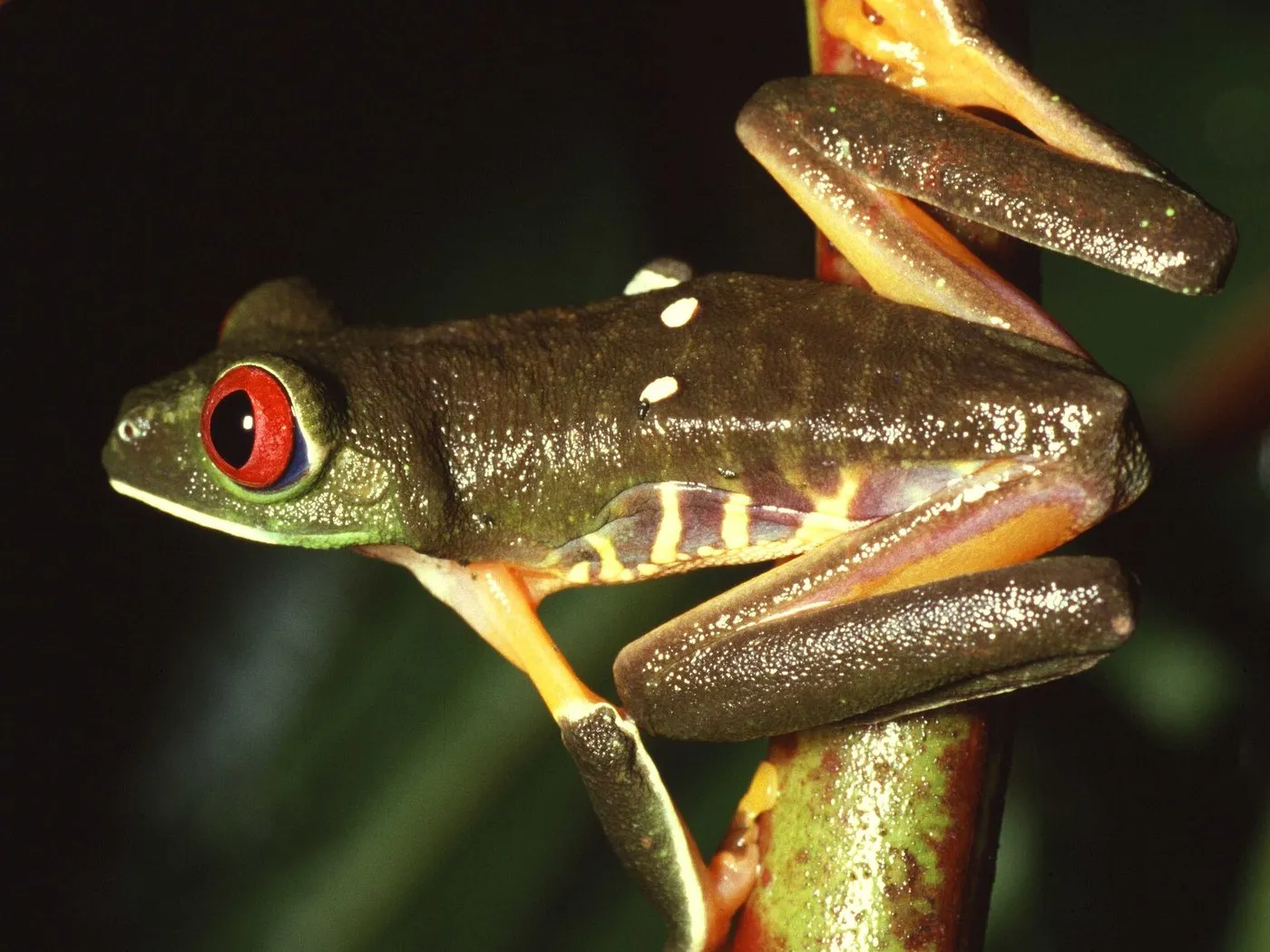 Red-eyed tree frog Agalychnis callidryas The postcard image of the hobby: green with blue flanks, orange feet and bright red eyes. By day it folds up under a leaf and is practically invisible. Intermediate Central America Species protection applies
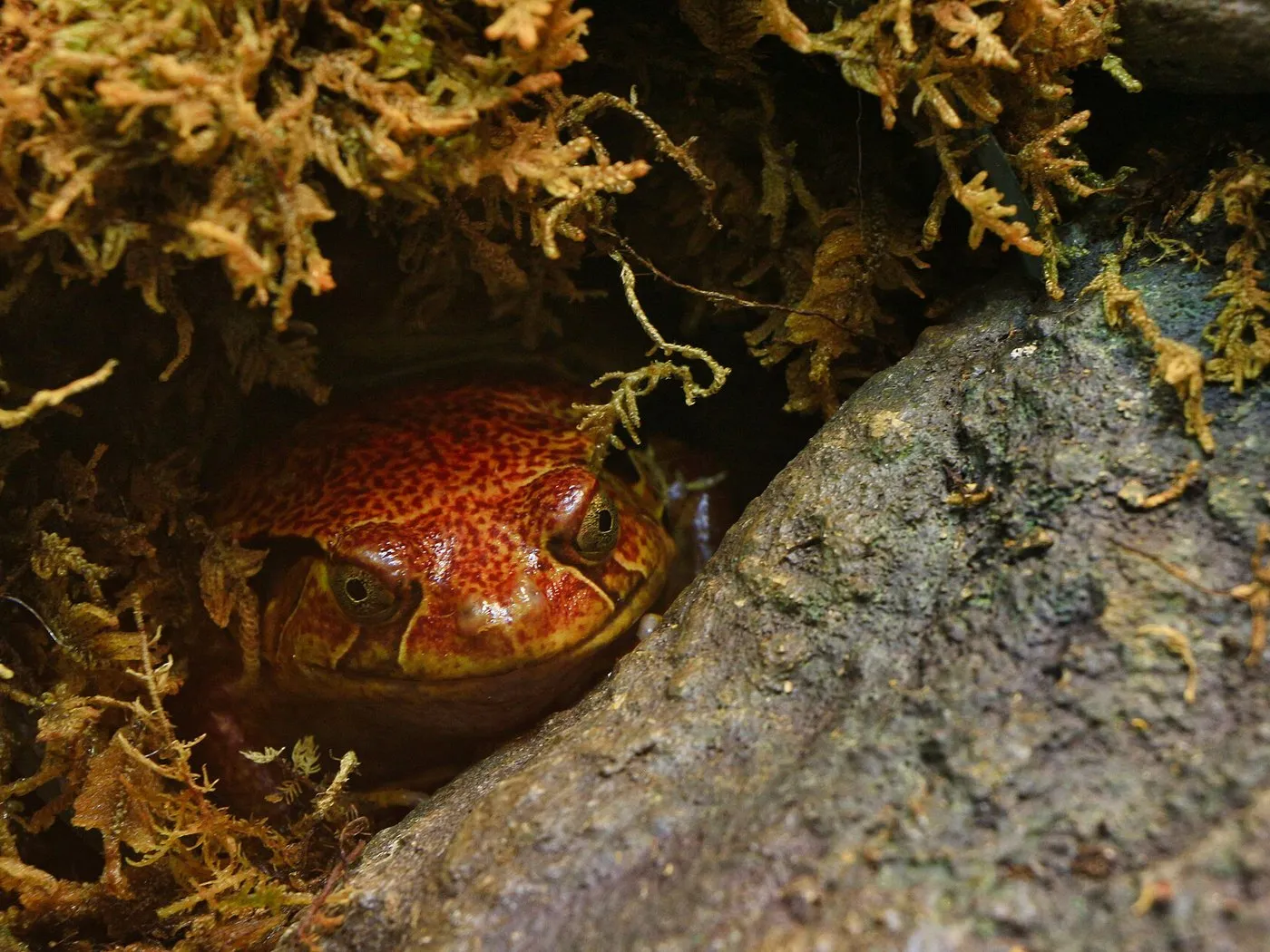 False tomato frog Dyscophus guineti Bright orange-red, rounded and notably calm. When pressed it secretes a sticky mucus that irritates mucous membranes: One more reason not to handle it. Beginner Madagascar Species protection applies
- Tomato frog Dyscophus antongilii Females turn tomato red and measure 8.5 to 10.5 cm, males stay considerably smaller at 6 to 6.5 cm. When threatened the frog puffs itself up and releases a sticky skin secretion that irritates skin and mucous membranes. Beginner Madagascar Species protection applies
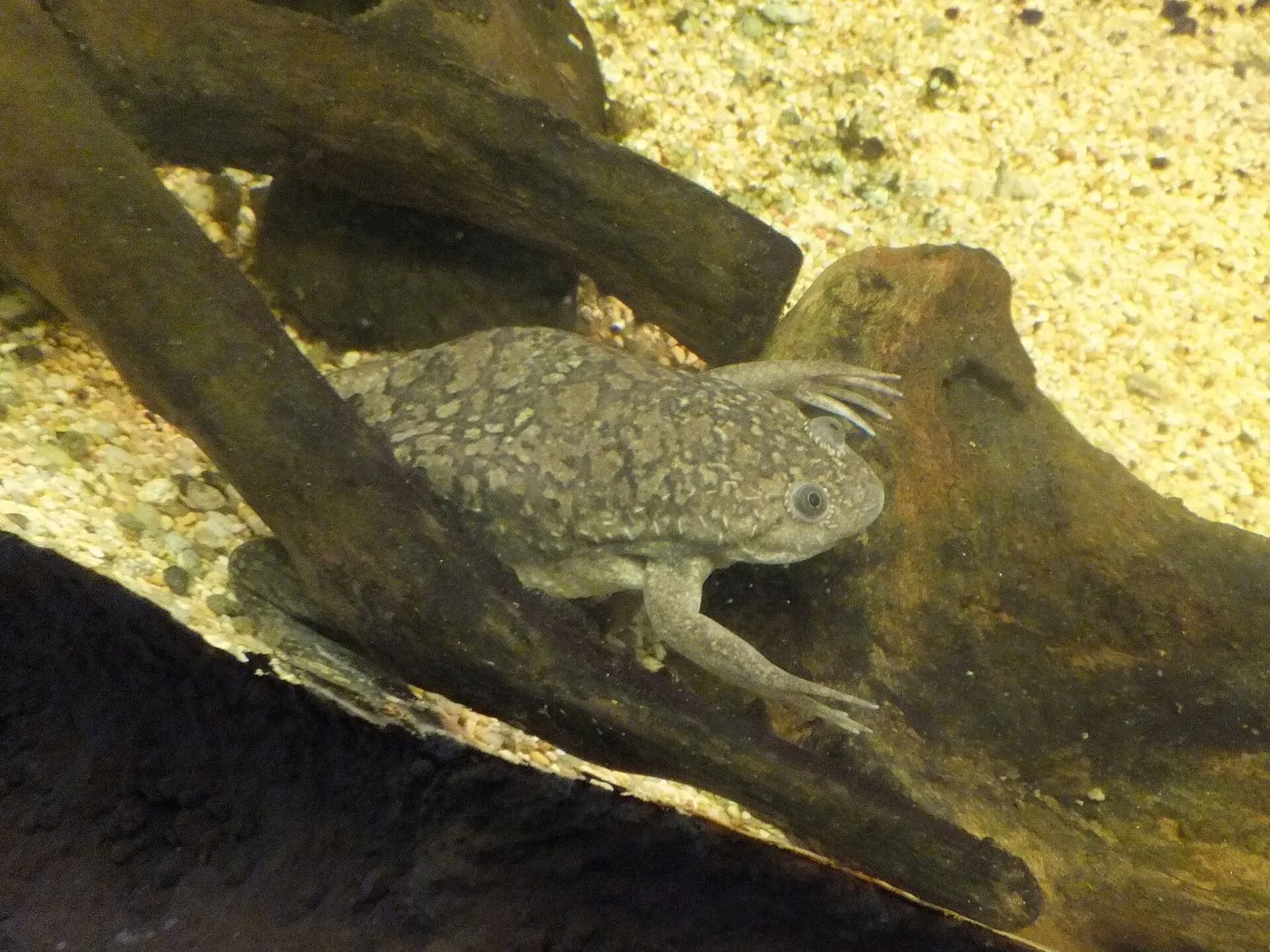 African clawed frog Xenopus laevis A fully aquatic, tongueless frog that pushes prey into its mouth with its front legs. A laboratory animal for decades and therefore remarkably undemanding, already established in Europe as a non-native species. Beginner Southern Africa No permit
Tarantulas
Arachnids, not reptiles, and not covered by the Animal Welfare Ordinance.
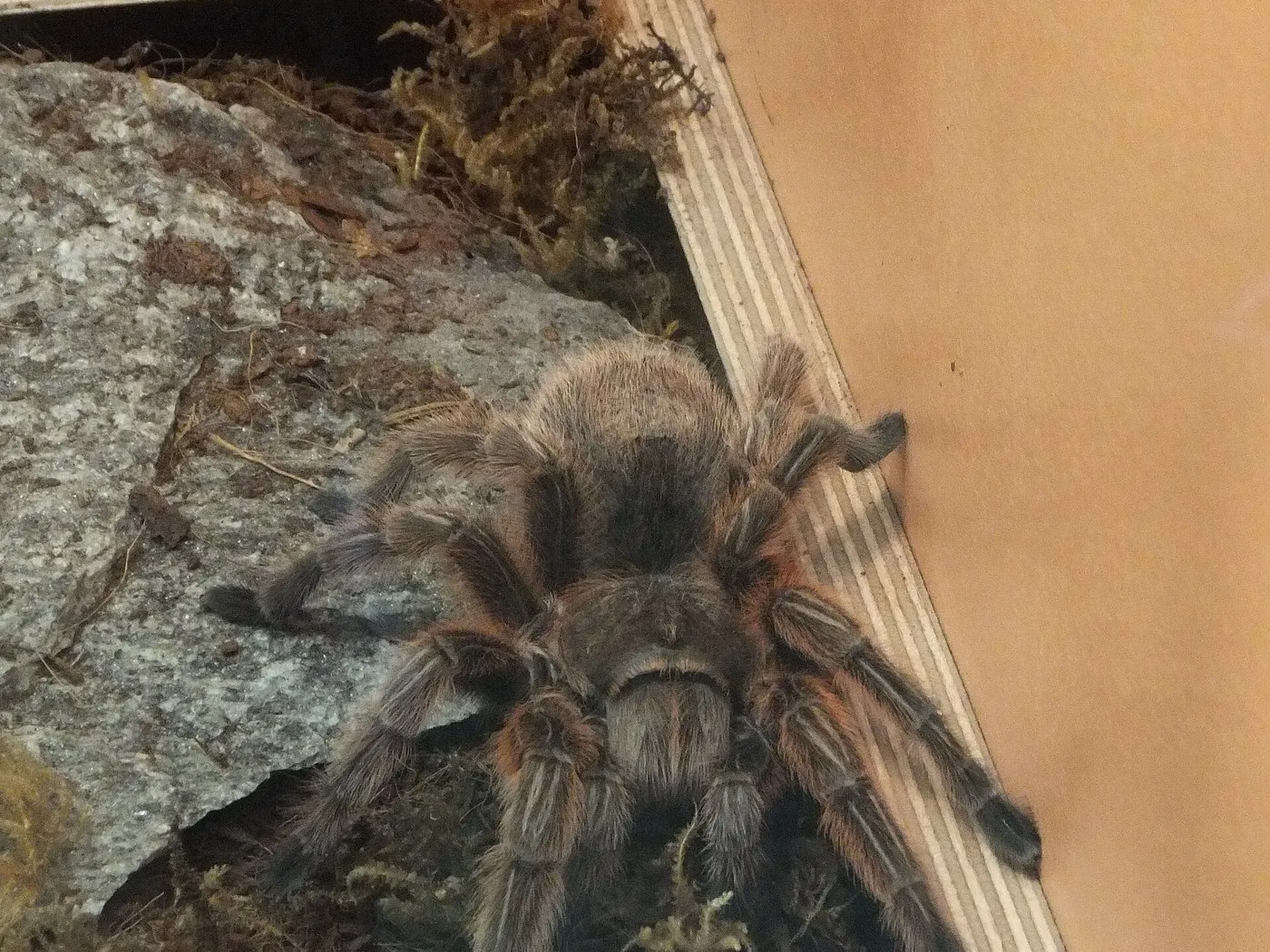 Chilean rose tarantula Grammostola rosea The calmest of the commonly kept tarantulas and therefore the classic first species. It gets by dry and without equipment, yet may fast for months with nothing wrong. Beginner South America Species protection applies
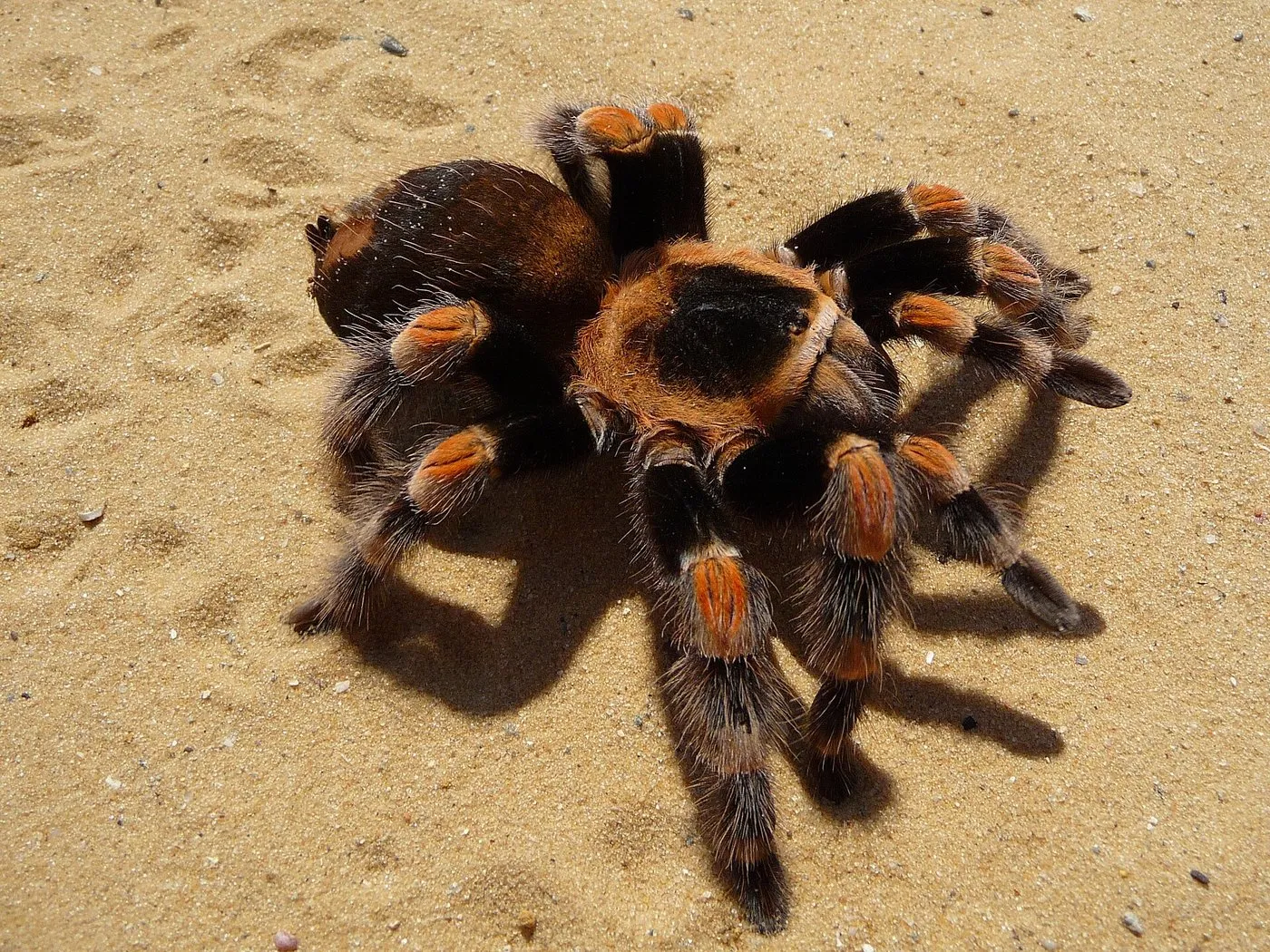 Mexican red-knee tarantula Brachypelma smithi The spider from the films: black with orange-red knees, calm and very long-lived. Females pass twenty years: A long-term commitment. When buying, look at the scientific name: the species was split in 2017, and a large share of animals sold as smithi are in fact Brachypelma hamorii. That changes nothing for husbandry or protection status, but it matters for breeding. Beginner Central America Species protection applies
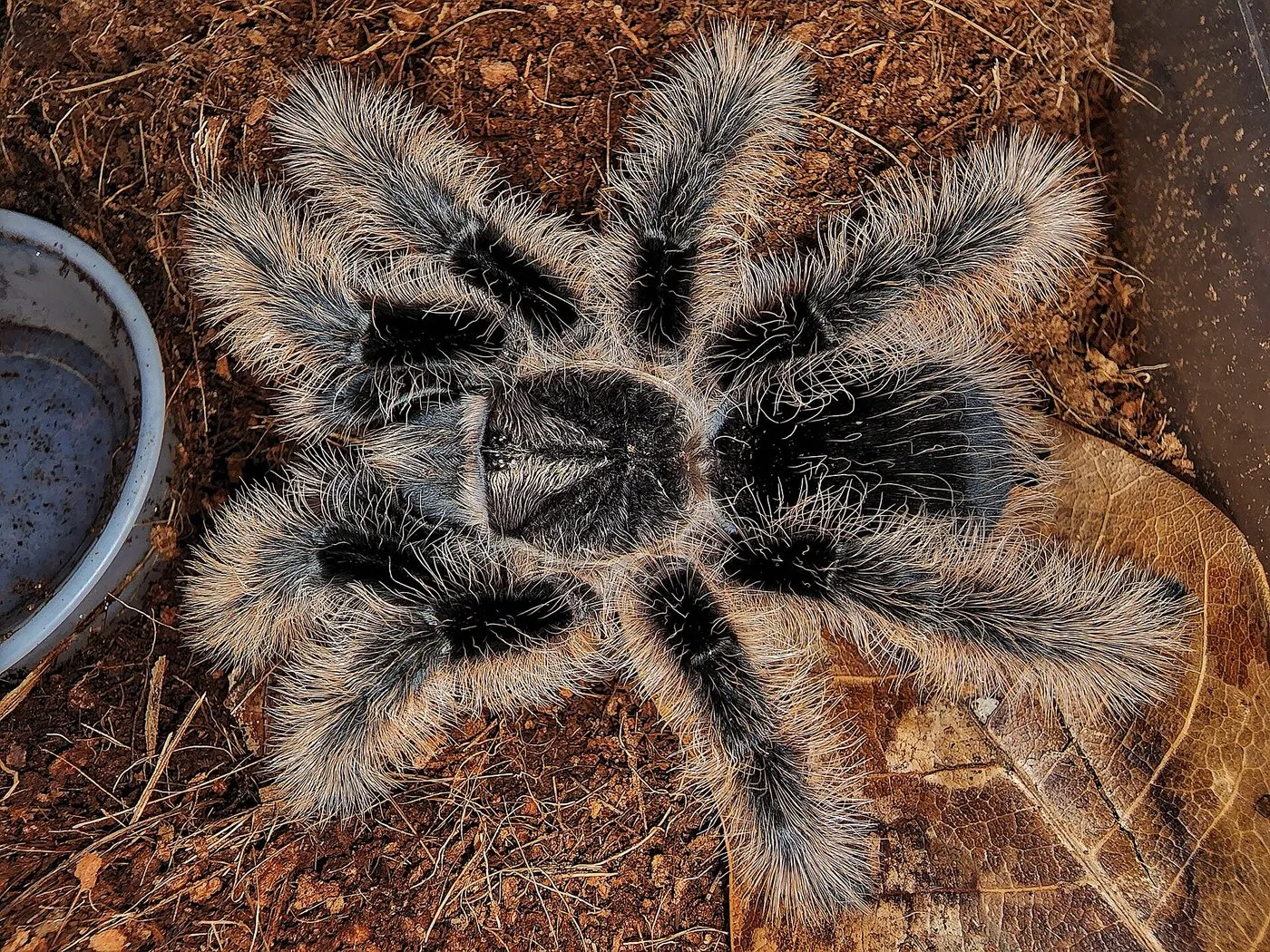 Curly hair tarantula Tliltocatl albopilosus Indestructible and undemanding, with markedly curled hair. It forgives husbandry mistakes better than most other species and feeds reliably. Beginner Central America Species protection applies
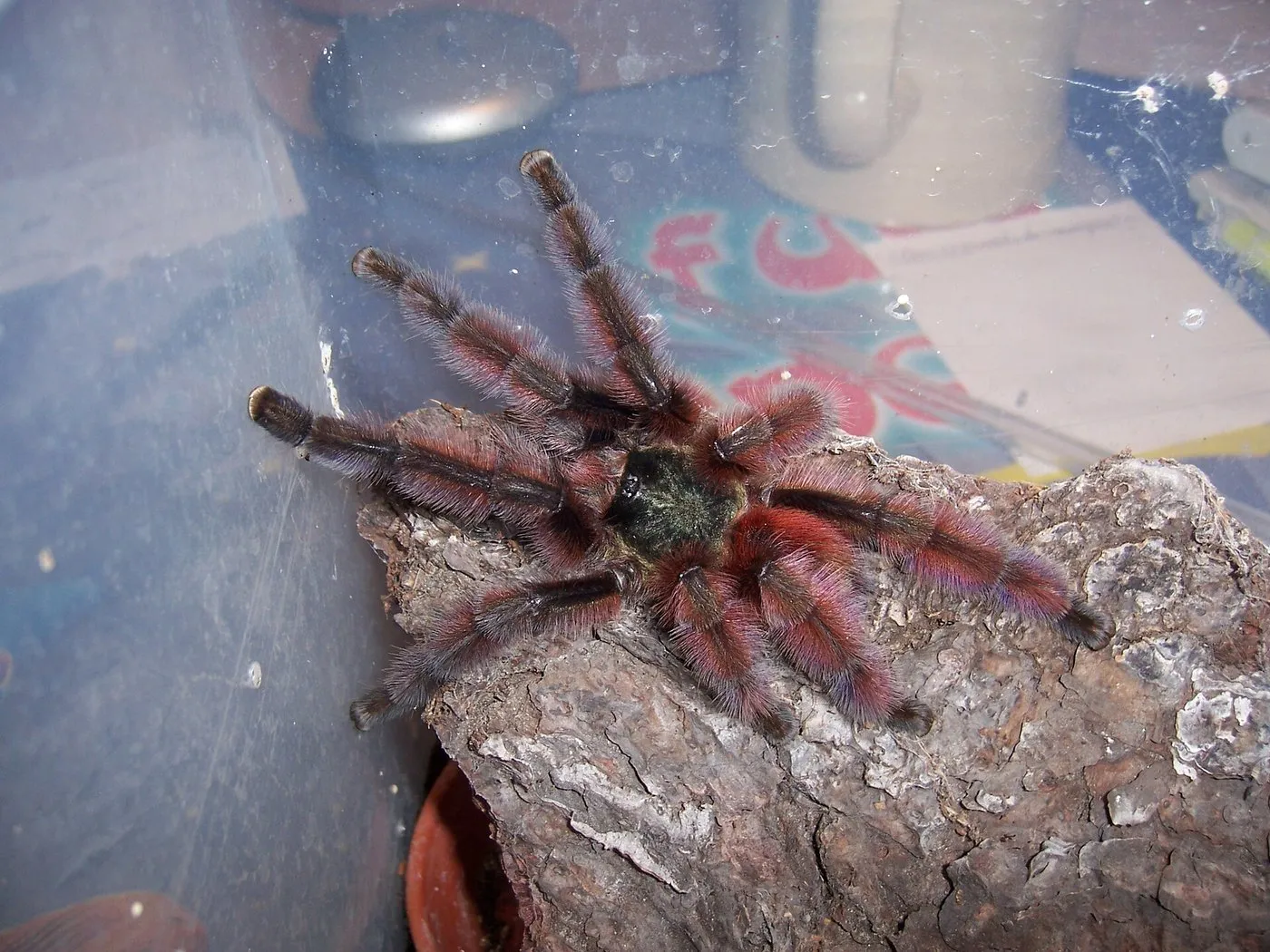 Antilles pinktoe tarantula Caribena versicolor Juveniles are bright blue, adults shimmer green and red. The species is beautiful and popular, but it does not forgive poor ventilation, and that is where most beginners fail. Intermediate The Caribbean Species protection applies
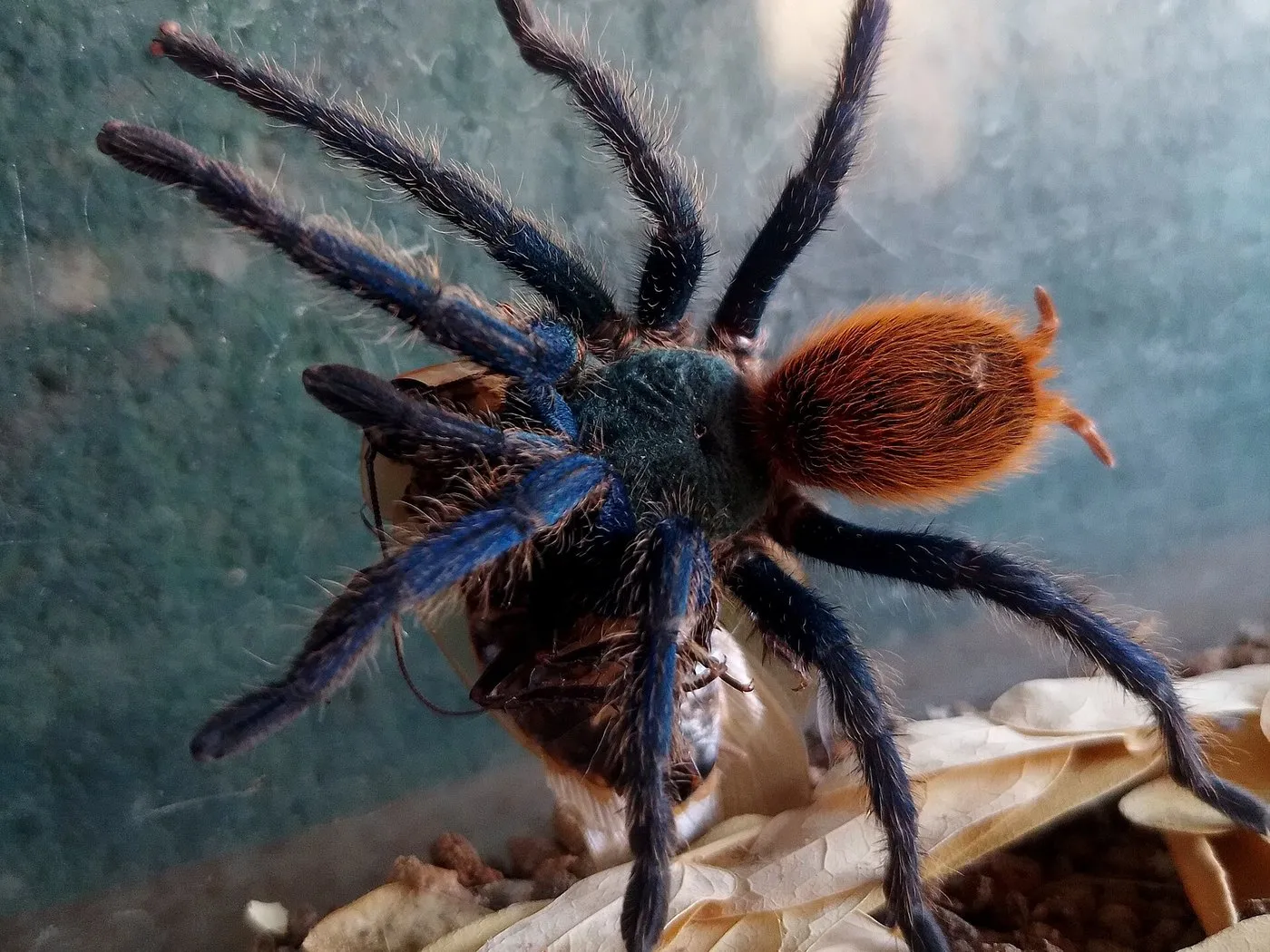 Greenbottle blue tarantula Chromatopelma cyaneopubescens Blue legs, orange abdomen, green carapace: The most colourful species in the hobby. It webs up half its terrarium and needs it bone dry. Intermediate South America No permit
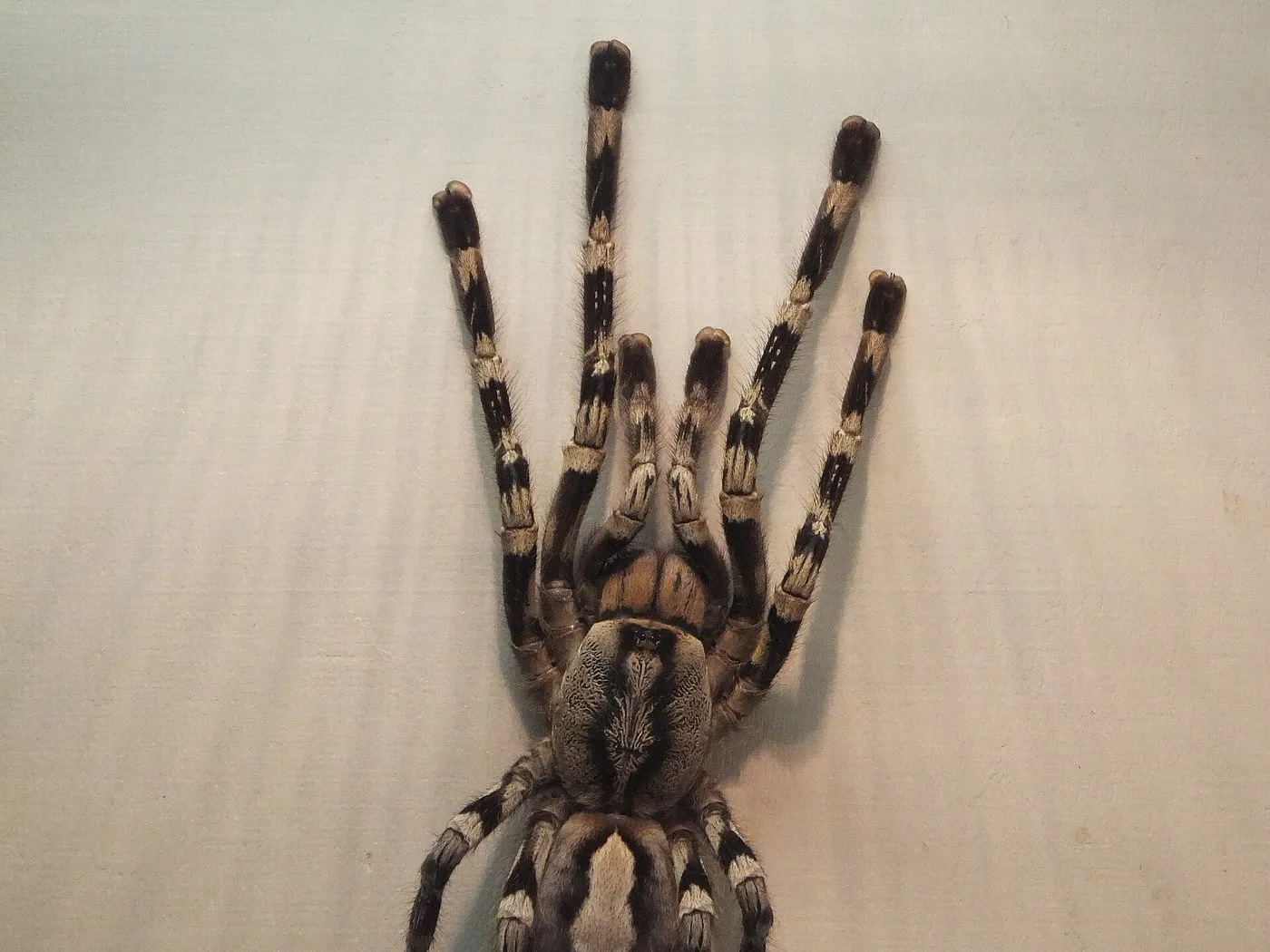 Indian ornamental tarantula Poecilotheria regalis Bark-patterned, lightning fast, and with a venom that can cause cramps in humans for days. Nothing for beginners and in several countries only kept under conditions. Advanced South Asia Species protection applies
Scorpions
Arachnids. Venomous animals: Cantonal rules may apply to them.
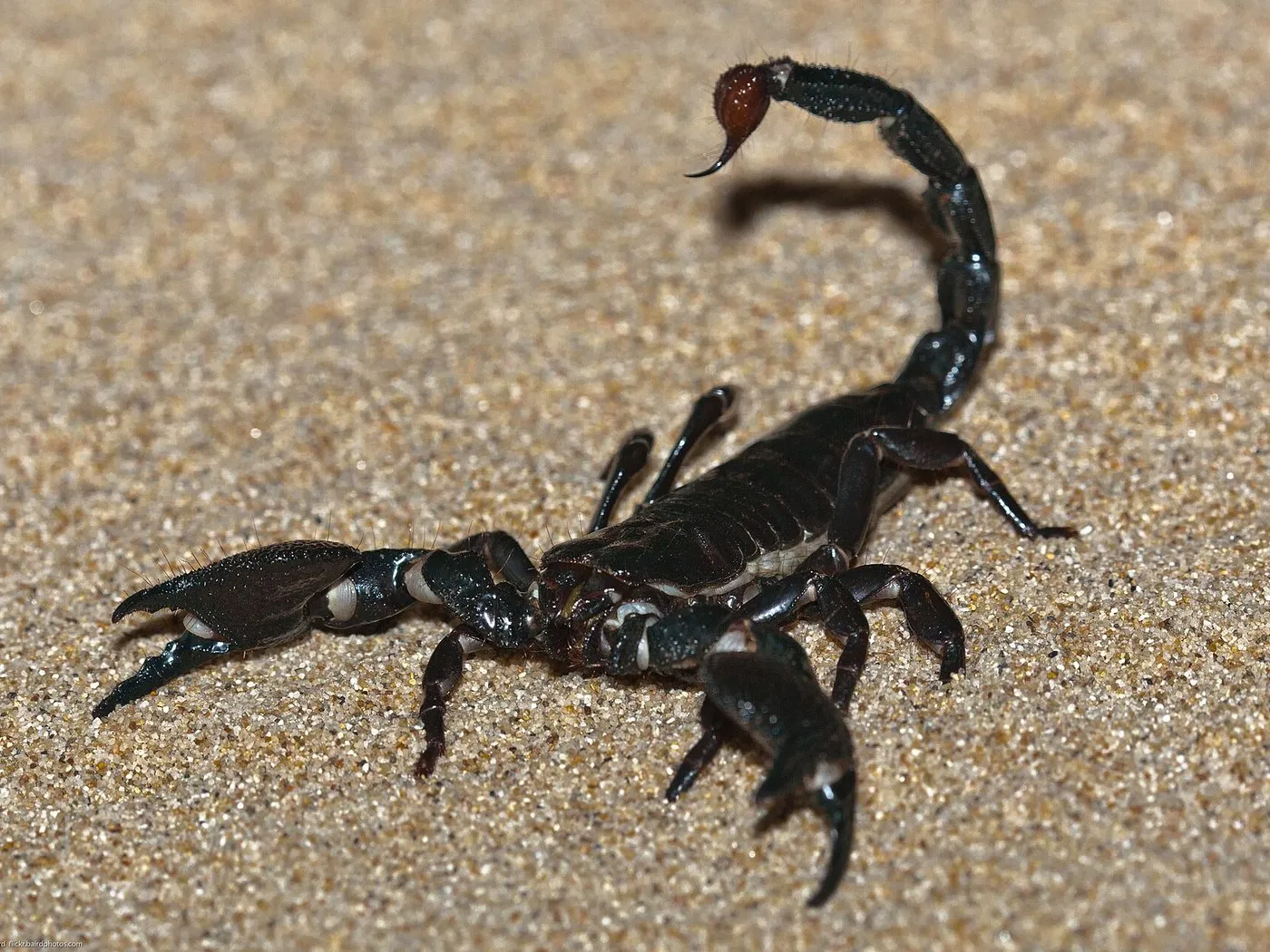 Emperor scorpion Pandinus imperator One of the largest scorpions in the world, deep black and with comparatively weak venom: It grabs with its claws rather than stinging. A beginner's animal that one only watches. Beginner West Africa Species protection applies
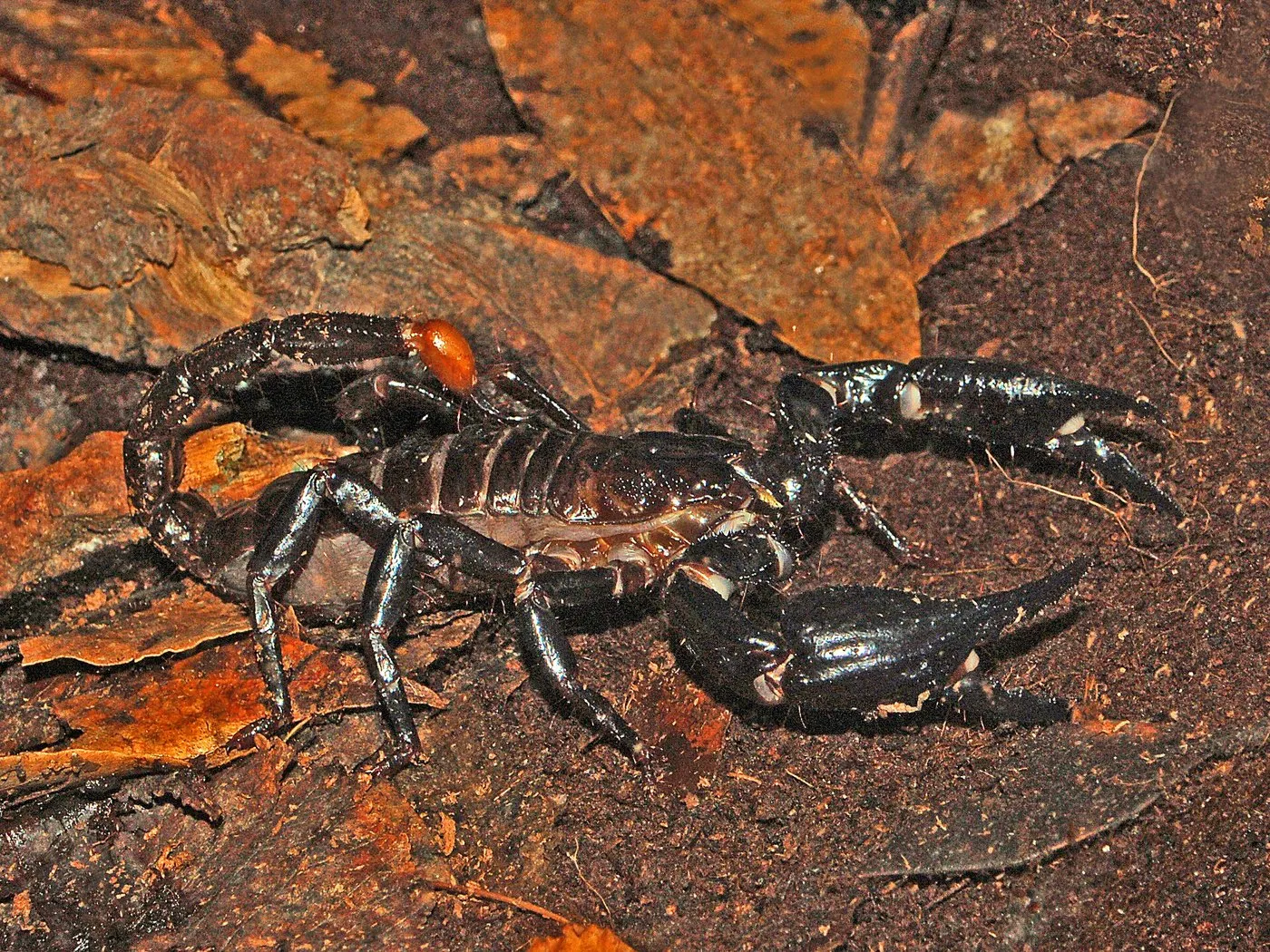 Asian forest scorpion Heterometrus spinifer Very similar to the emperor scorpion, but readier to defend itself and more common in the trade. Here too: observe, don't handle. Beginner Southeast Asia No permit
Praying mantises
Insects with a short life expectancy: Usually around a year.
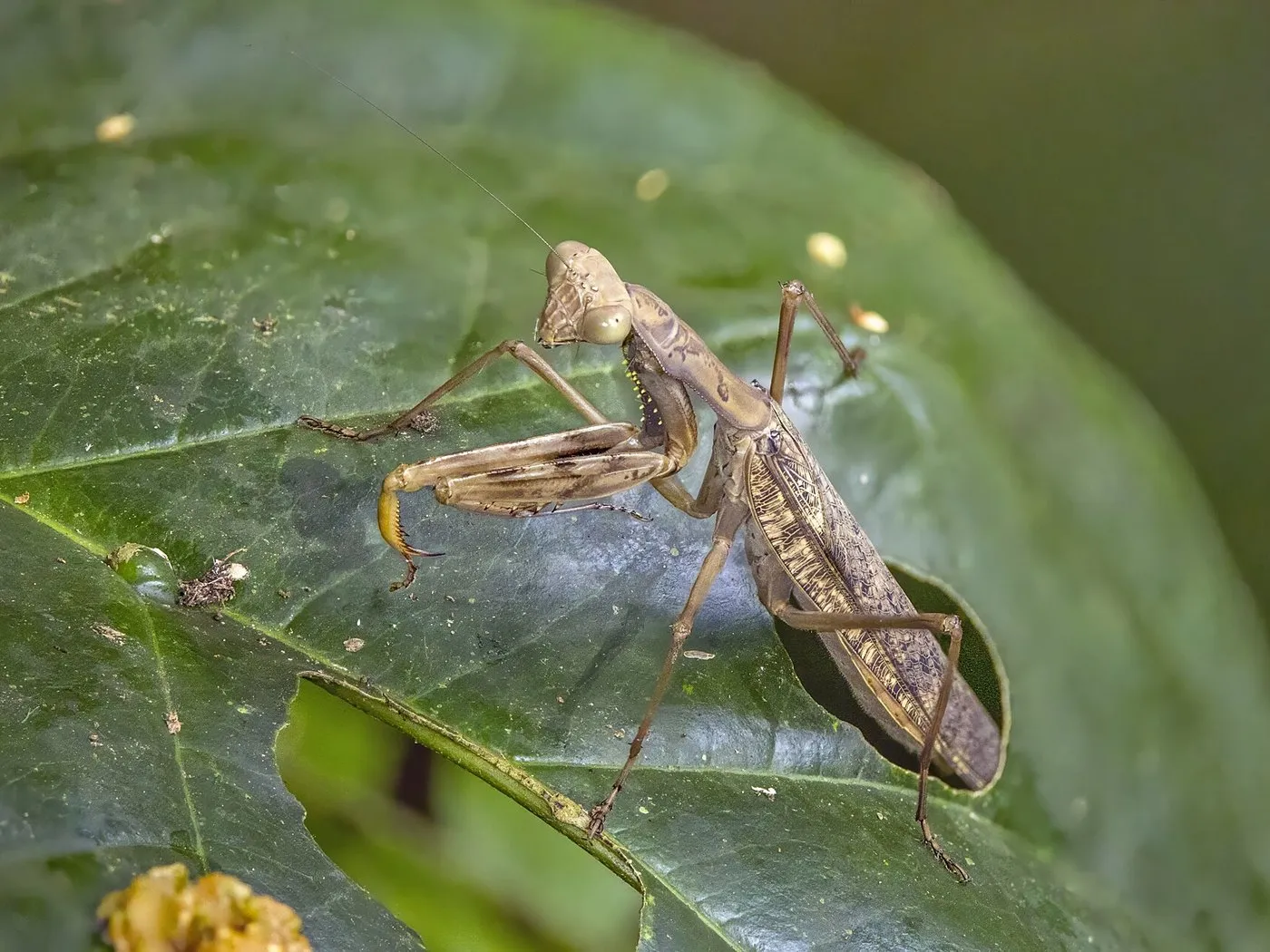 African mantis Sphodromantis lineola The usual beginner species: large, robust and with a good appetite. A mantis lives only about a year, though. Anyone looking for a long-lived animal is in the wrong place. Beginner Africa No permit
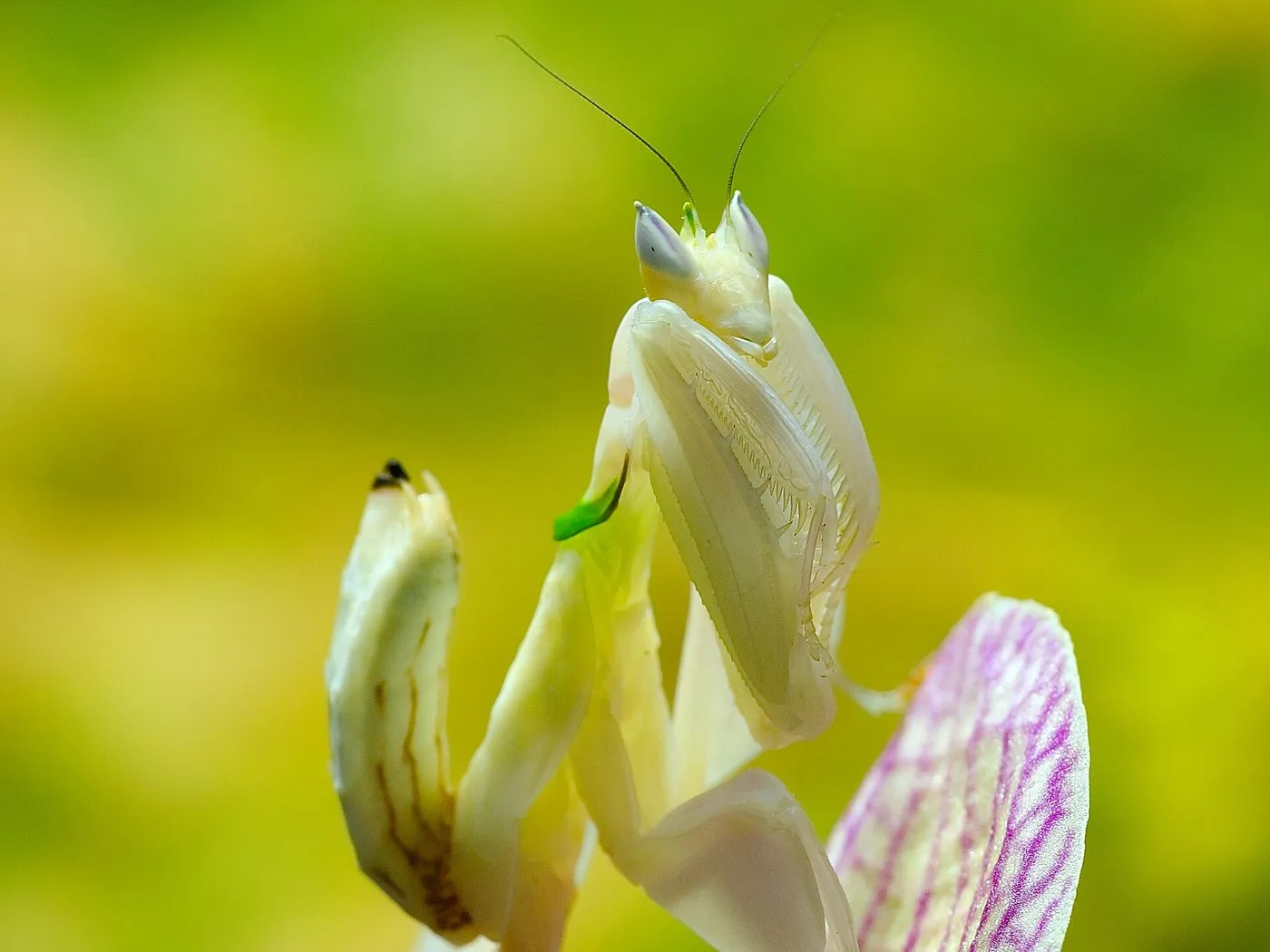 Orchid mantis Hymenopus coronatus It looks like a flower and is built for exactly that: prey comes to it. More demanding than the usual species and considerably more sensitive to the wrong humidity. Intermediate Southeast Asia No permit
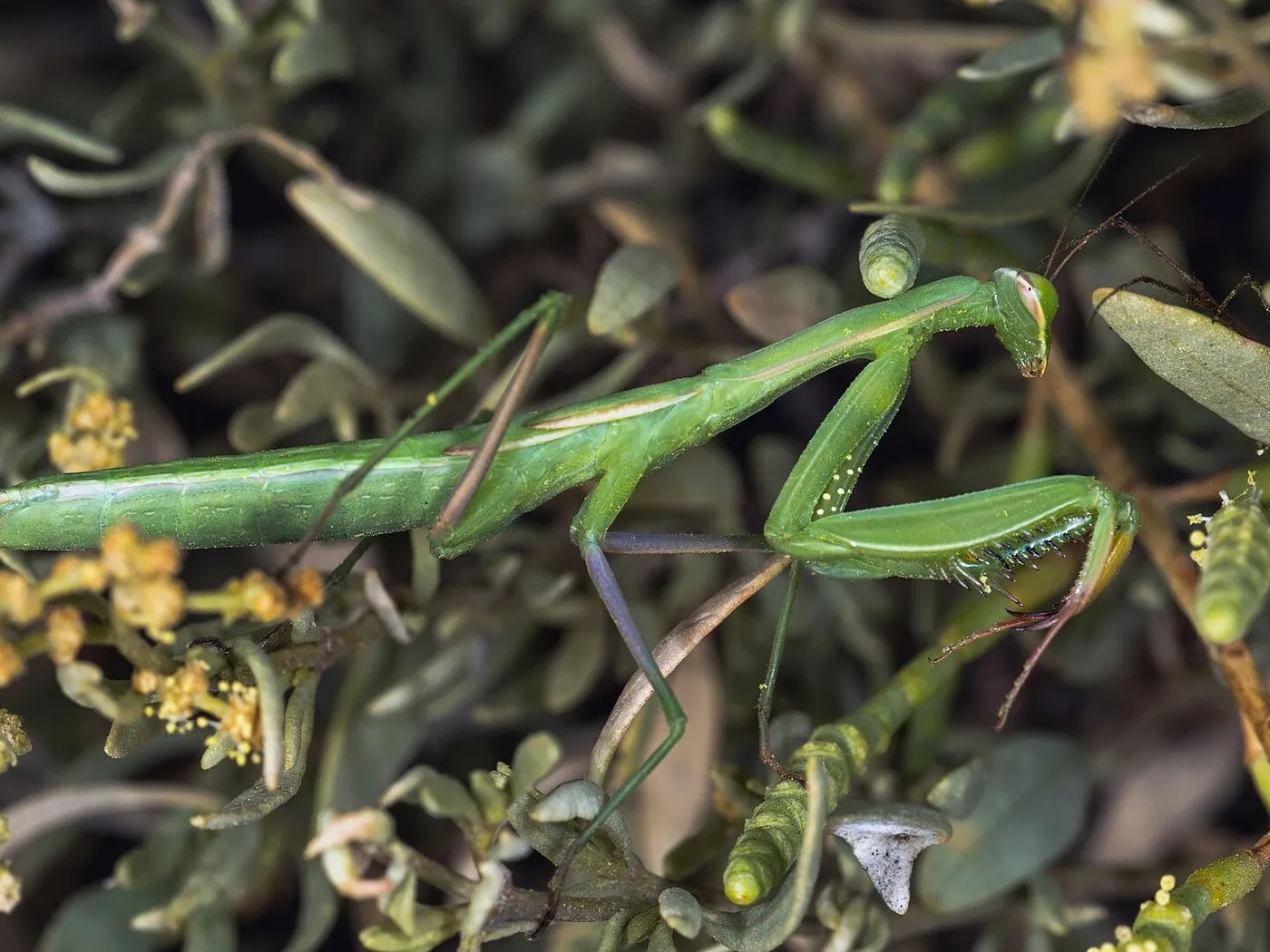 European mantis Mantis religiosa The only native mantis in Switzerland, mainly in Valais, Ticino and the Lake Geneva region. Precisely for that reason a rule applies to it that applies to no other species here. Beginner Europe and Asia No permit
Stick and leaf insects
Often the first terrarium animal. The animals must never be allowed to get out.
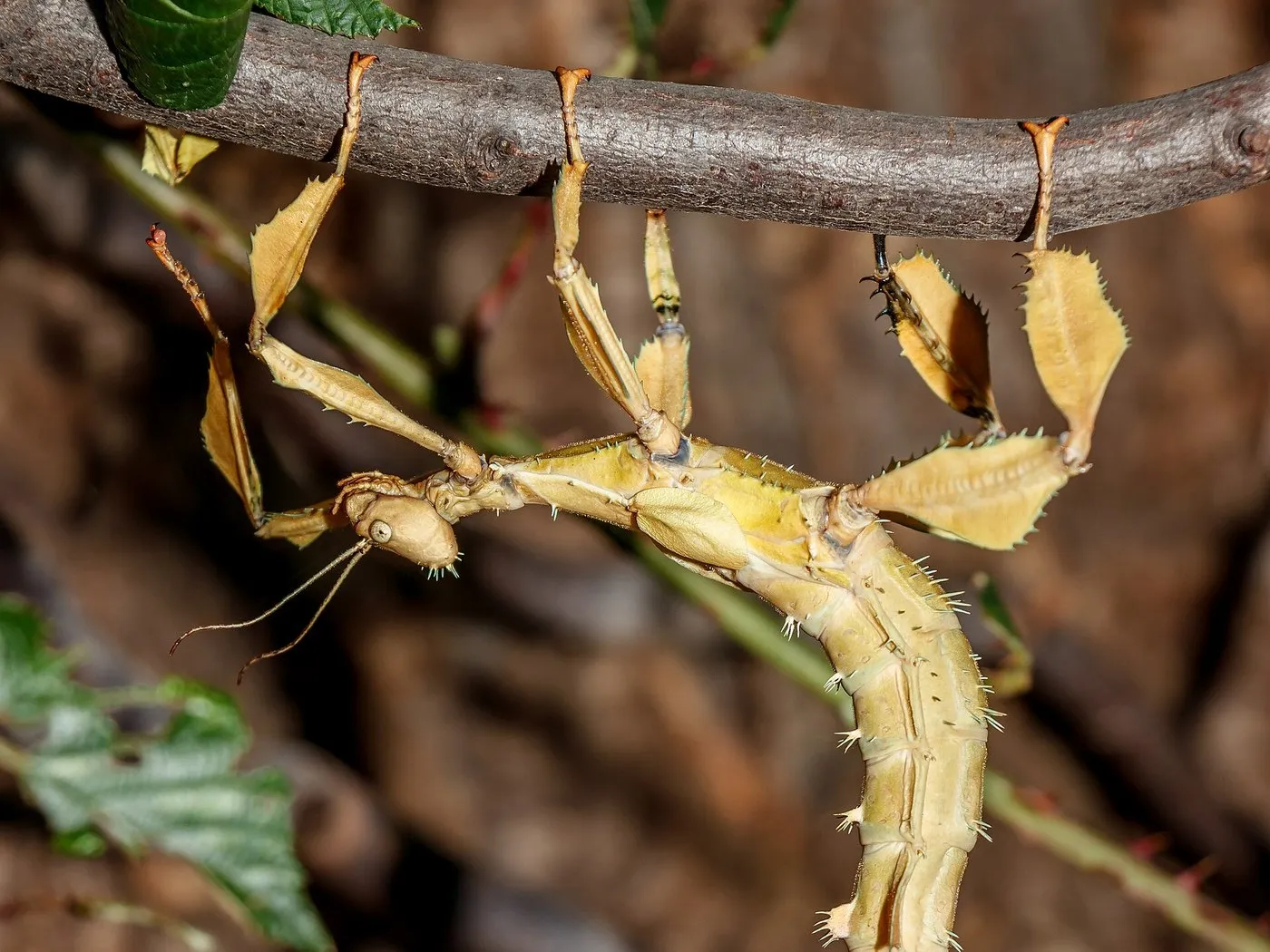 Macleay's spectre Extatosoma tiaratum An animal like a dried leaf that rears up like a scorpion when disturbed. Females reproduce without males: Unfertilised eggs hatch into more females. Beginner Australia No permit
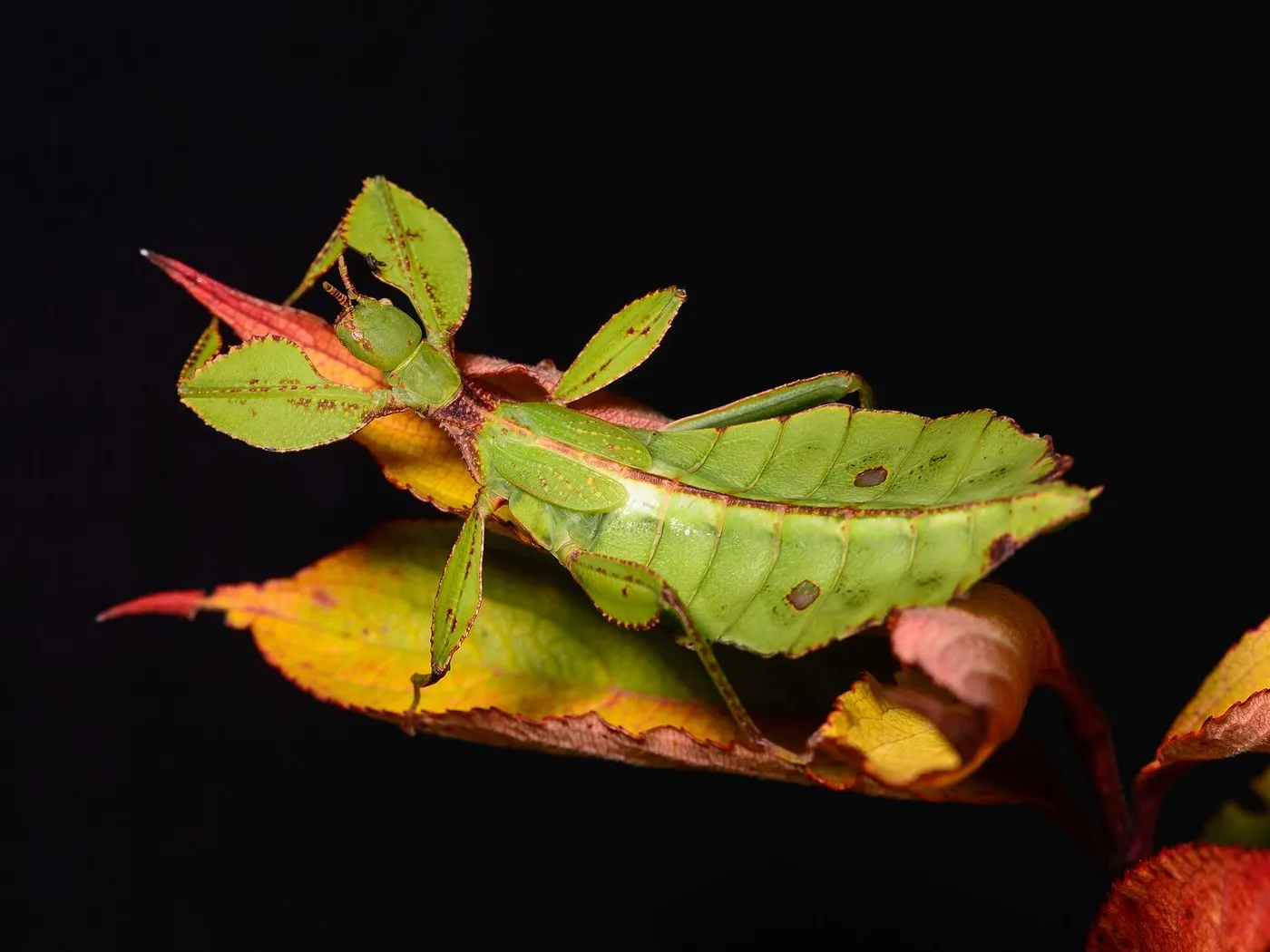 Philippine leaf insect Phyllium philippinicum The most perfect camouflage in the animal kingdom: flat, green, with imitated leaf veins and feeding marks. More delicate than stick insects and dependent on steady humidity. Intermediate Southeast Asia No permit
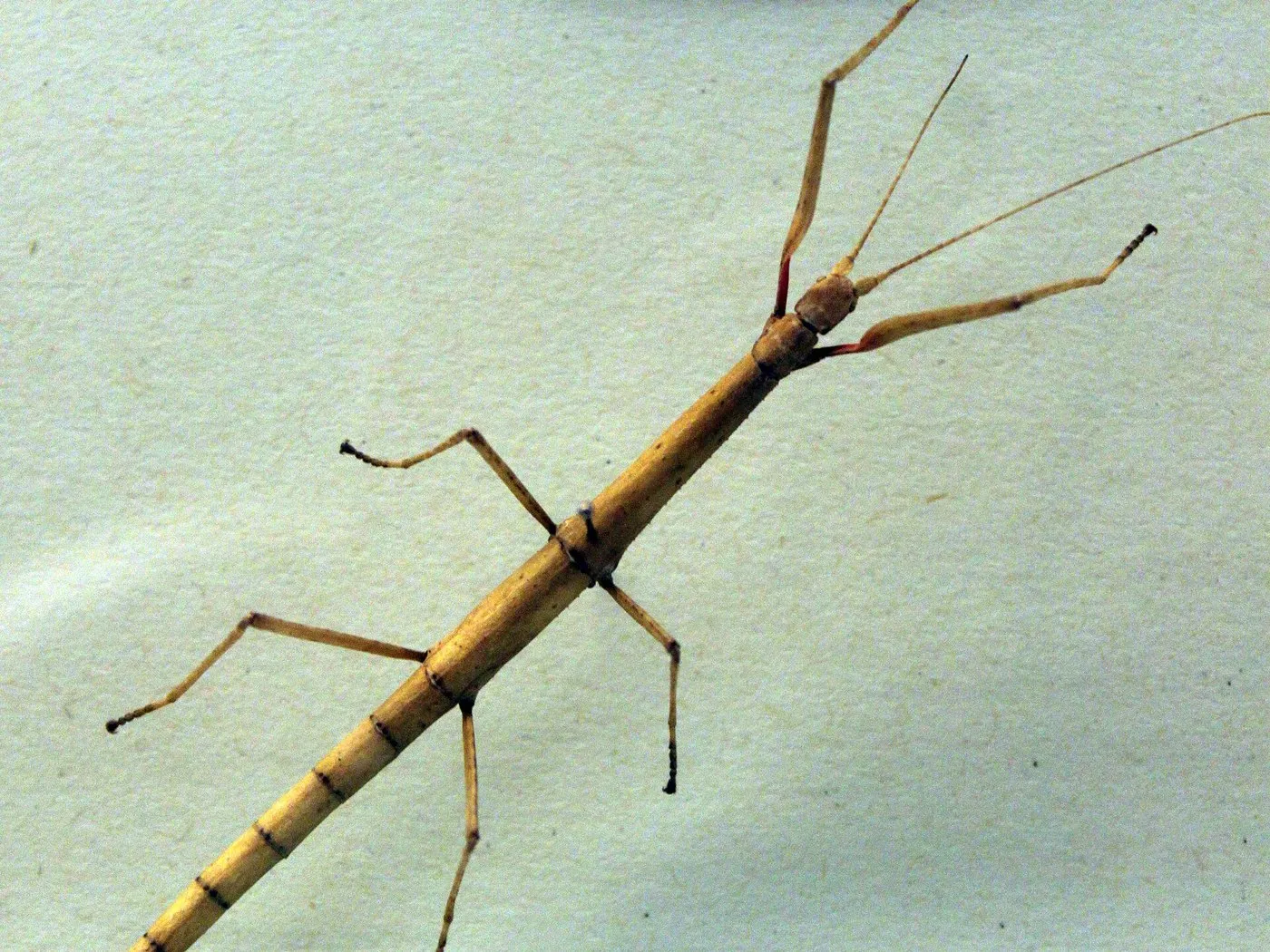 Indian stick insect Carausius morosus The classic first terrarium animal: undemanding, harmless and easy to keep in any room. It reproduces without a male and that is exactly the problem if animals get out. Beginner South Asia No permit
Sorted by legal status
The same species, grouped by what Swiss law says about them.
How these pages are made
Husbandry, origin and legal position come from the same database as in the app. Husbandry information exists for 92 of the 93 species, deliberately not for the prohibited red-eared slider.
The rating from beginner to advanced is this site’s own assessment, not a rule. It follows space requirements, climate demands, sensitivity to stress and potential danger. Not how pretty or how popular a species is.
For some species the app does not yet hold a legal profile of its own. Where that is the case, the species page says so explicitly. In every case, binding information comes from the cantonal veterinary office.
